'/%3e%3cpath%20d='M110.5%2074.84L61.56%20113.3V150.04H0V87.4L110.5%200V74.84Z'%20fill='url(%23paint1_linear_1102_1766)'/%3e%3cpath%20d='M159.44%20150.04L159.44%20205.81H159.2L110.5%20166.53L61.8001%20205.81H61.5601L61.56%20150.04L110.5%20110.57L159.44%20150.04Z'%20fill='url(%23paint2_linear_1102_1766)'/%3e%3cpath%20d='M110.5%20110.57V166.53L61.8001%20205.81H61.5601L61.56%20150.04L110.5%20110.57Z'%20fill='url(%23paint3_linear_1102_1766)'/%3e%3cpath%20d='M159.44%20206H61.5601L61.8001%20205.81L110.5%20166.53L159.2%20205.81L159.44%20206Z'%20fill='url(%23paint4_linear_1102_1766)'/%3e%3cdefs%3e%3clinearGradient%20id='paint0_linear_1102_1766'%20x1='166'%20y1='-19.908'%20x2='145.641'%20y2='227.731'%20gradientUnits='userSpaceOnUse'%3e%3cstop%20stop-color='%23B5AAFF'/%3e%3cstop%20offset='0.723958'%20stop-color='%238977FF'/%3e%3c/linearGradient%3e%3clinearGradient%20id='paint1_linear_1102_1766'%20x1='64'%20y1='15.7891'%20x2='172.309'%20y2='257.652'%20gradientUnits='userSpaceOnUse'%3e%3cstop%20stop-color='%239383FF'/%3e%3cstop%20offset='0.75'%20stop-color='%234D3FED'/%3e%3c/linearGradient%3e%3clinearGradient%20id='paint2_linear_1102_1766'%20x1='171.462'%20y1='36.6188'%20x2='8.598'%20y2='270.272'%20gradientUnits='userSpaceOnUse'%3e%3cstop%20offset='0.229167'%20stop-color='%23B5AAFF'/%3e%3cstop%20offset='0.994792'%20stop-color='%238977FF'/%3e%3c/linearGradient%3e%3clinearGradient%20id='paint3_linear_1102_1766'%20x1='55.7219'%20y1='-31.3876'%20x2='76.8187'%20y2='349.172'%20gradientUnits='userSpaceOnUse'%3e%3cstop%20offset='0.307292'%20stop-color='%239383FF'/%3e%3cstop%20offset='0.854167'%20stop-color='%234D3FED'/%3e%3c/linearGradient%3e%3clinearGradient%20id='paint4_linear_1102_1766'%20x1='110'%20y1='271'%20x2='76.5255'%20y2='202.314'%20gradientUnits='userSpaceOnUse'%3e%3cstop%20stop-color='%23B5AAFF'/%3e%3cstop%20offset='0.90625'%20stop-color='%238977FF'/%3e%3c/linearGradient%3e%3c/defs%3e%3c/svg%3e)
'/%3e%3cpath%20d='M110.5%2074.84L61.56%20113.3V150.04H0V87.4L110.5%200V74.84Z'%20fill='url(%23paint1_linear_1102_1752)'/%3e%3cpath%20d='M159.44%20150.04L159.44%20205.81H159.2L110.5%20166.53L61.8001%20205.81H61.5601L61.56%20150.04L110.5%20110.57L159.44%20150.04Z'%20fill='url(%23paint2_linear_1102_1752)'/%3e%3cpath%20d='M110.5%20110.57V166.53L61.8001%20205.81H61.5601L61.56%20150.04L110.5%20110.57Z'%20fill='url(%23paint3_linear_1102_1752)'/%3e%3cpath%20d='M159.44%20206H61.5601L61.8001%20205.81L110.5%20166.53L159.2%20205.81L159.44%20206Z'%20fill='url(%23paint4_linear_1102_1752)'/%3e%3cdefs%3e%3clinearGradient%20id='paint0_linear_1102_1752'%20x1='166'%20y1='-19.908'%20x2='145.641'%20y2='227.731'%20gradientUnits='userSpaceOnUse'%3e%3cstop%20stop-color='%23B5AAFF'/%3e%3cstop%20offset='0.723958'%20stop-color='%238977FF'/%3e%3c/linearGradient%3e%3clinearGradient%20id='paint1_linear_1102_1752'%20x1='64'%20y1='15.7891'%20x2='172.309'%20y2='257.652'%20gradientUnits='userSpaceOnUse'%3e%3cstop%20stop-color='%239383FF'/%3e%3cstop%20offset='0.75'%20stop-color='%234D3FED'/%3e%3c/linearGradient%3e%3clinearGradient%20id='paint2_linear_1102_1752'%20x1='171.462'%20y1='36.6188'%20x2='8.598'%20y2='270.272'%20gradientUnits='userSpaceOnUse'%3e%3cstop%20offset='0.229167'%20stop-color='%23B5AAFF'/%3e%3cstop%20offset='0.994792'%20stop-color='%238977FF'/%3e%3c/linearGradient%3e%3clinearGradient%20id='paint3_linear_1102_1752'%20x1='55.7219'%20y1='-31.3876'%20x2='76.8187'%20y2='349.172'%20gradientUnits='userSpaceOnUse'%3e%3cstop%20offset='0.307292'%20stop-color='%239383FF'/%3e%3cstop%20offset='0.854167'%20stop-color='%234D3FED'/%3e%3c/linearGradient%3e%3clinearGradient%20id='paint4_linear_1102_1752'%20x1='110'%20y1='271'%20x2='76.5255'%20y2='202.314'%20gradientUnits='userSpaceOnUse'%3e%3cstop%20stop-color='%23B5AAFF'/%3e%3cstop%20offset='0.90625'%20stop-color='%238977FF'/%3e%3c/linearGradient%3e%3c/defs%3e%3c/svg%3e)
Investment Properties in Kansas City, MO
2 fractional real estate investment properties available now in Kansas City.
Available investment properties in Kansas City, MO
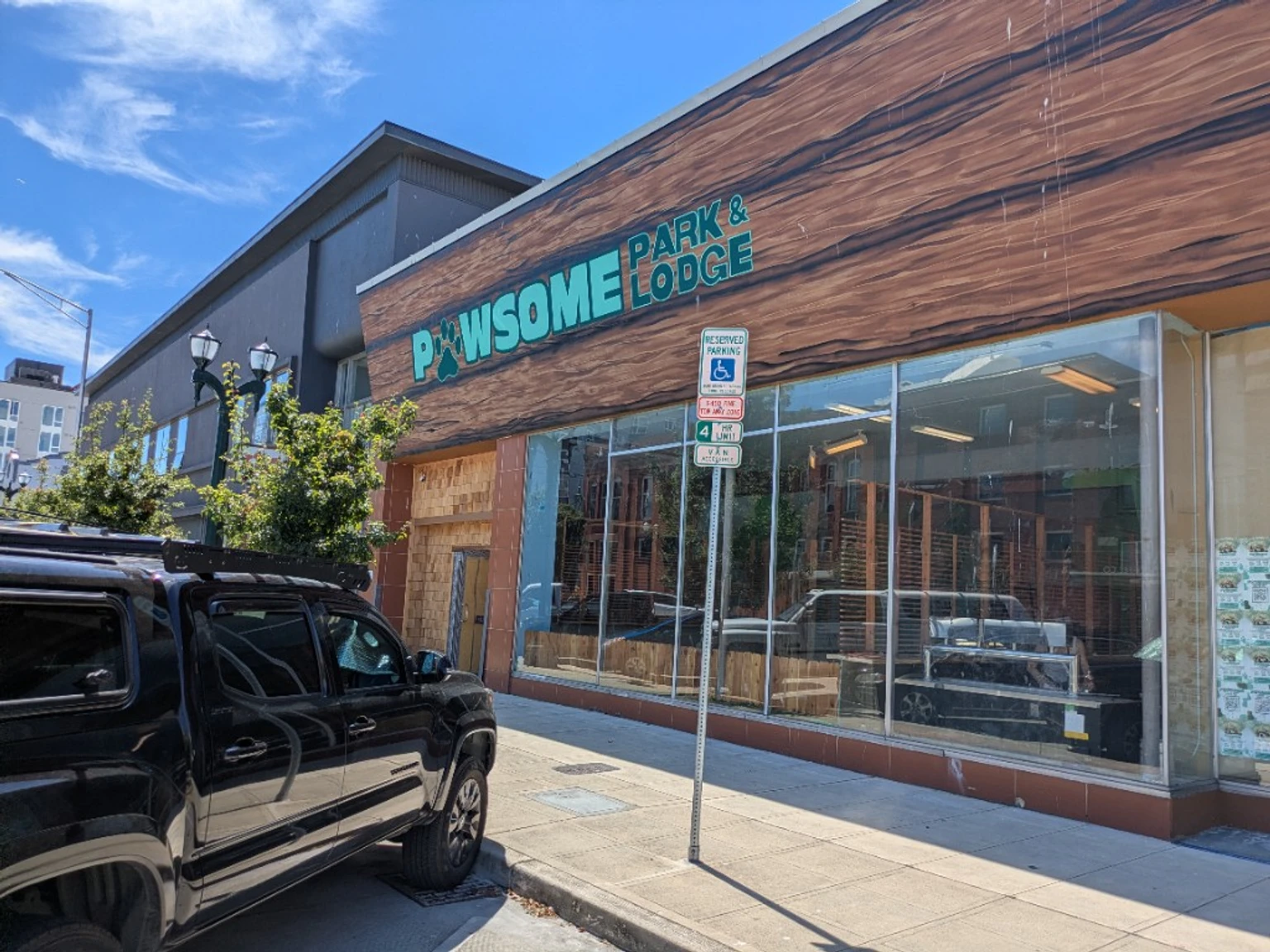
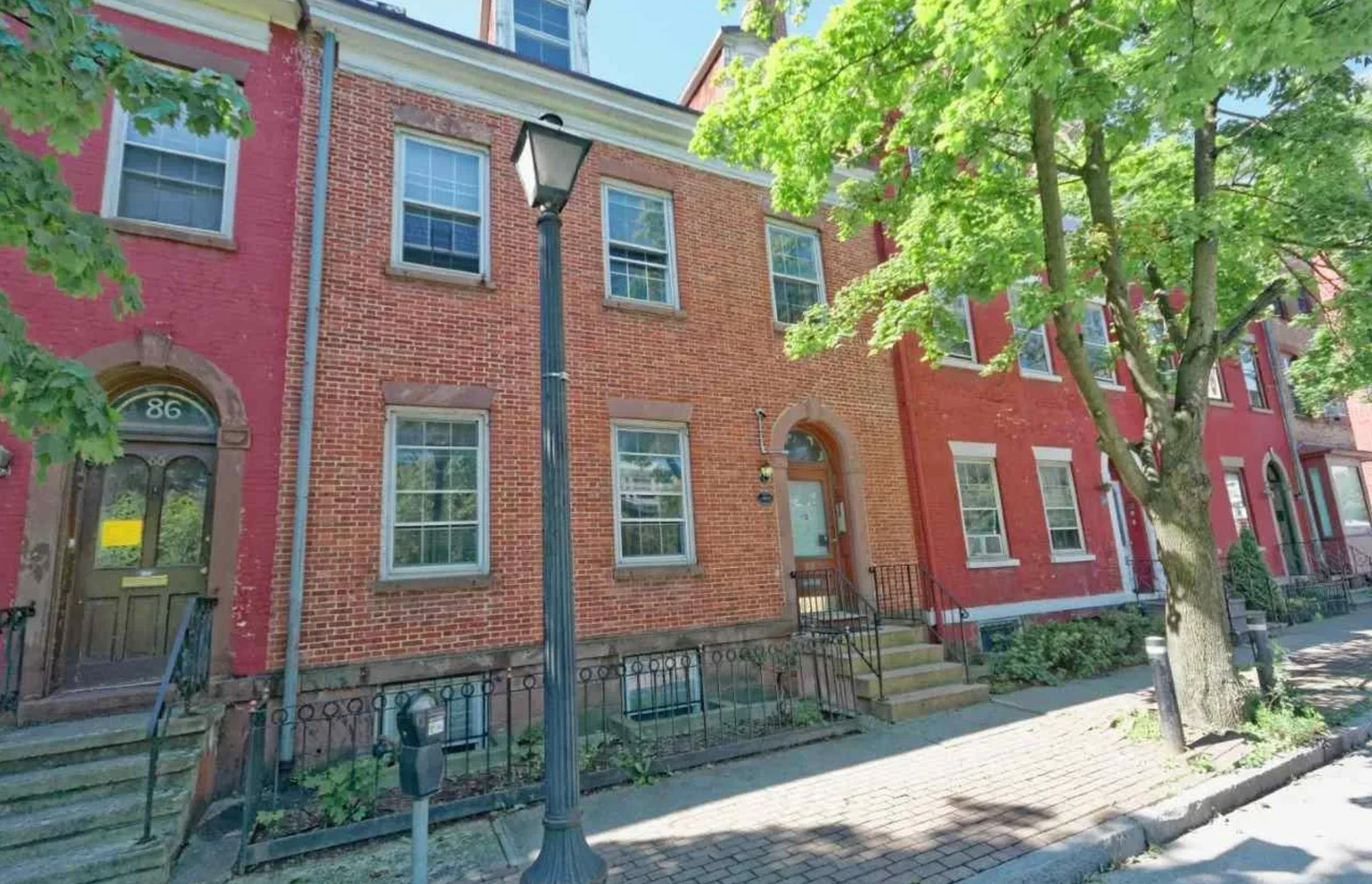
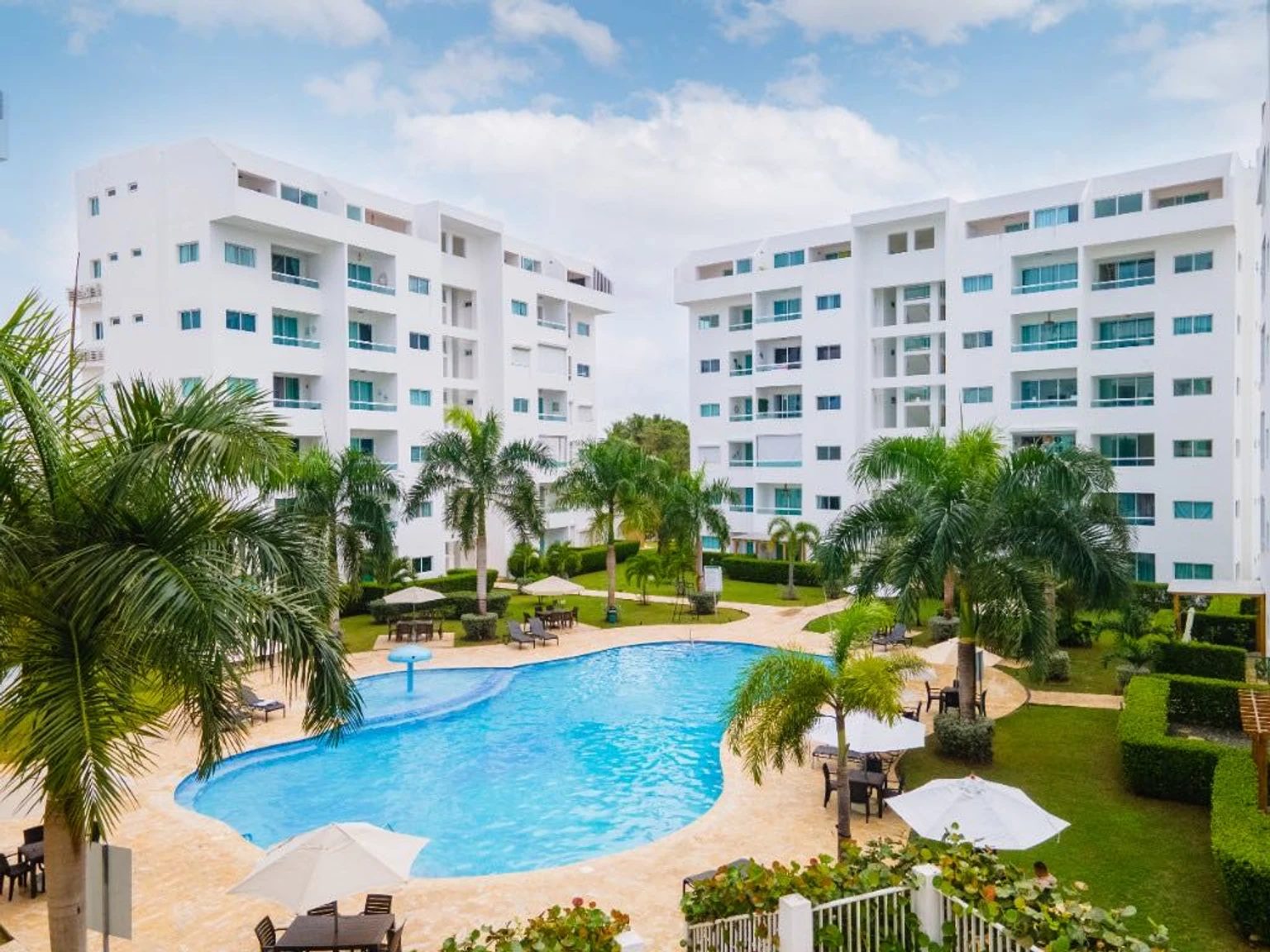
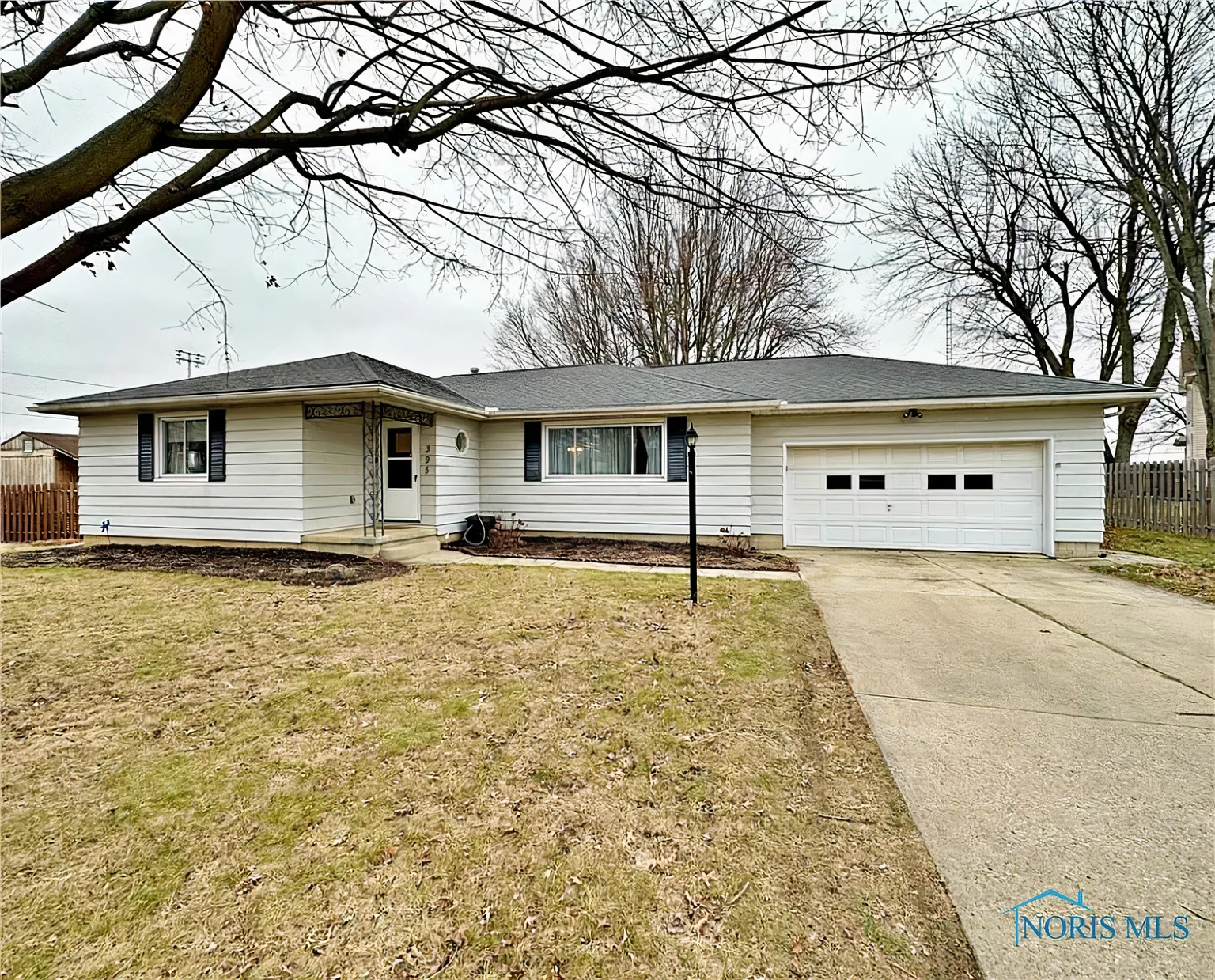
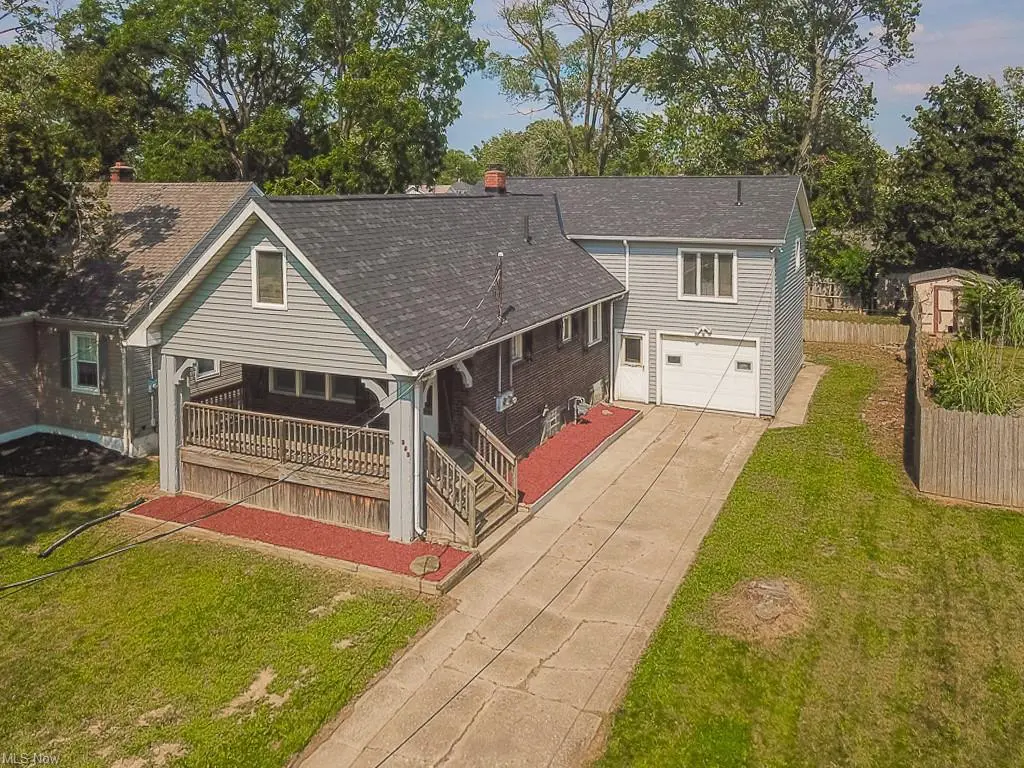
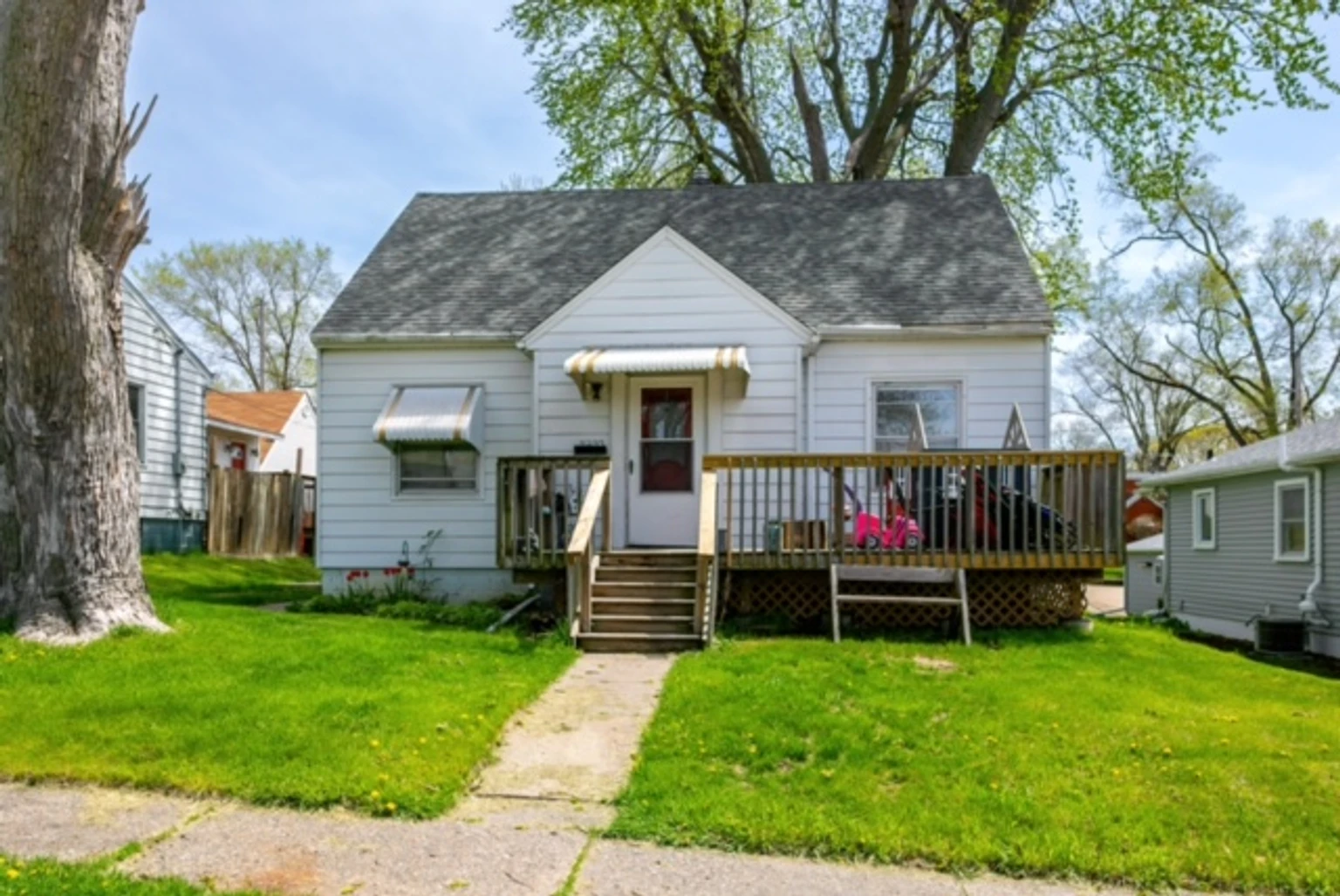
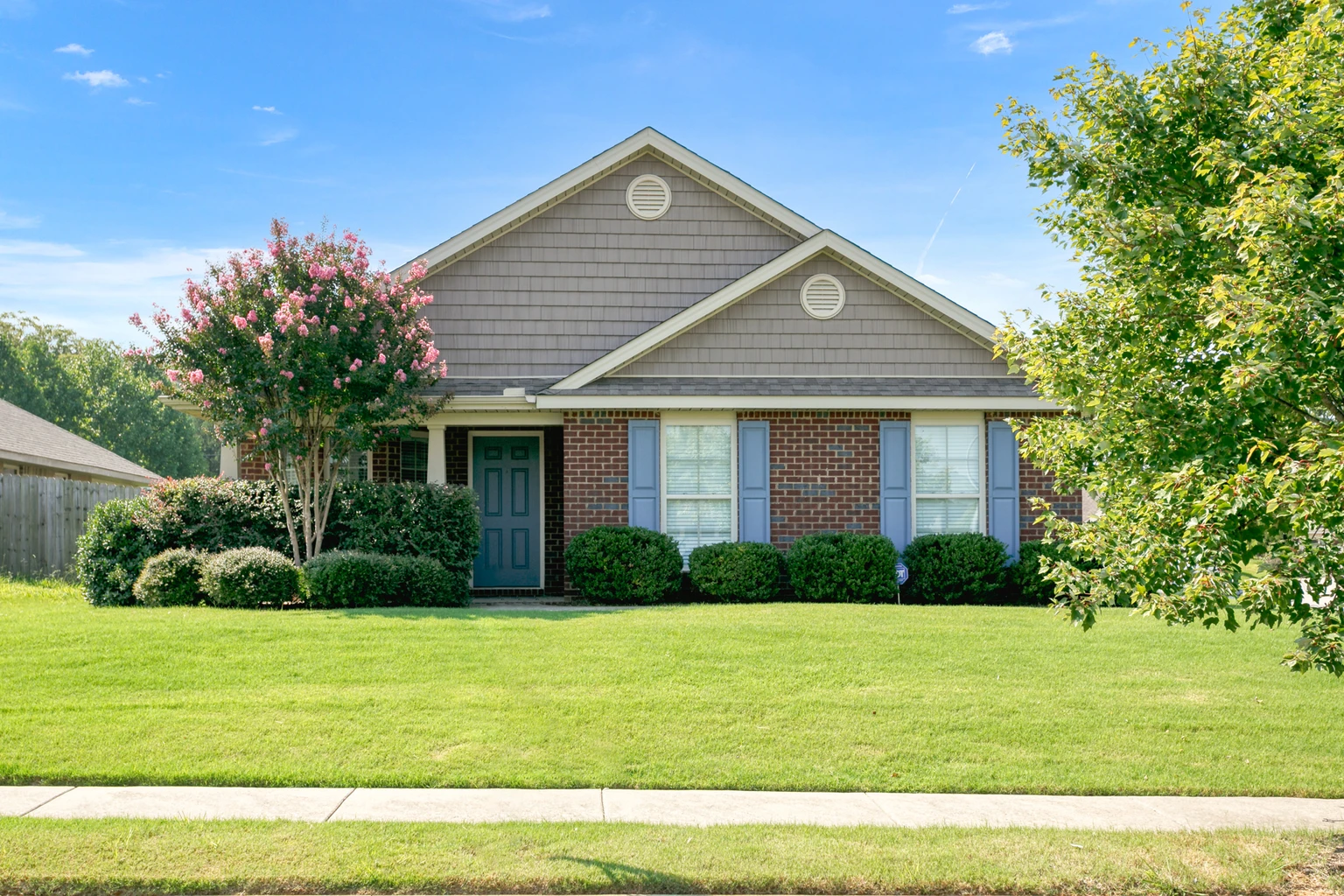
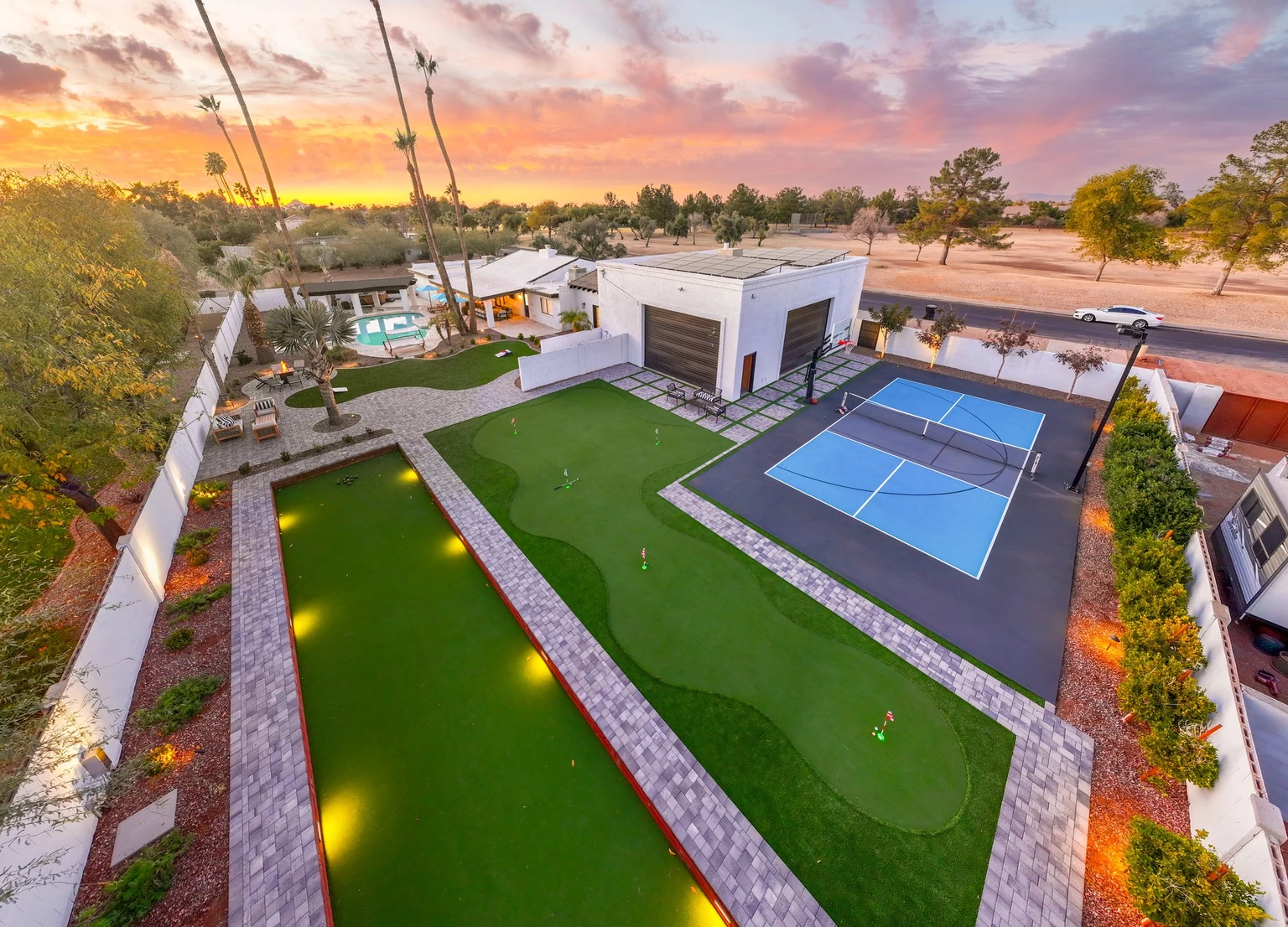
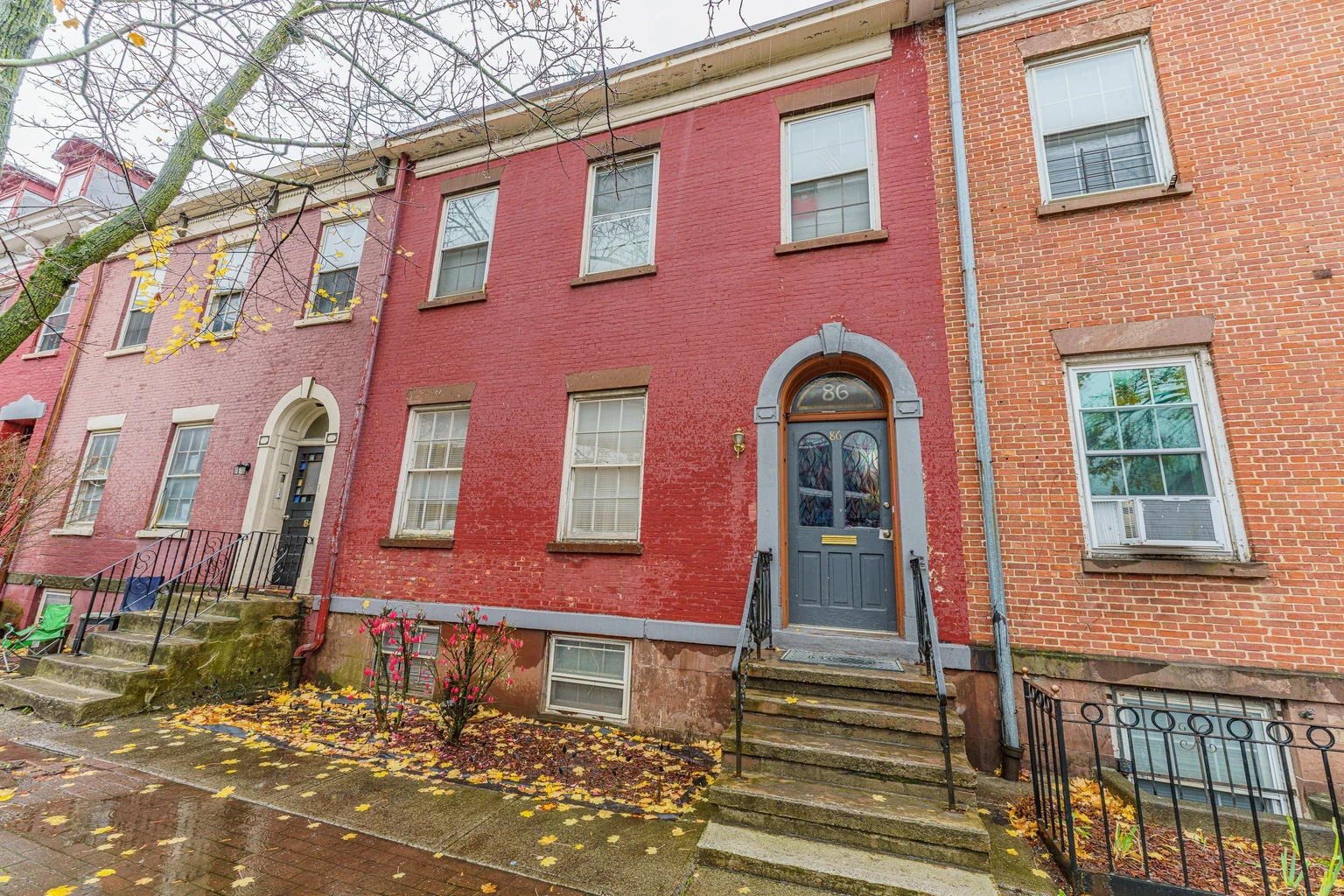
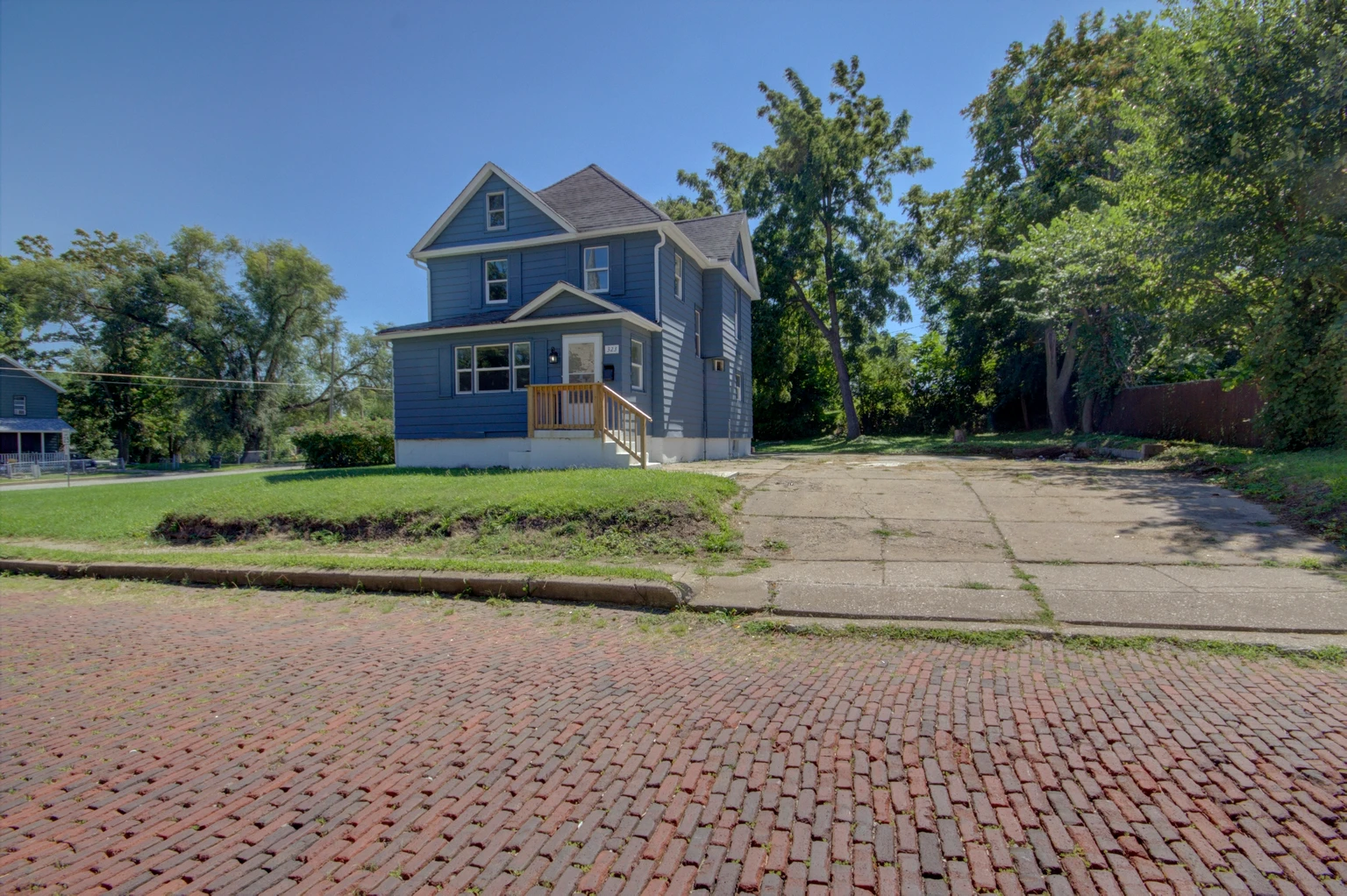
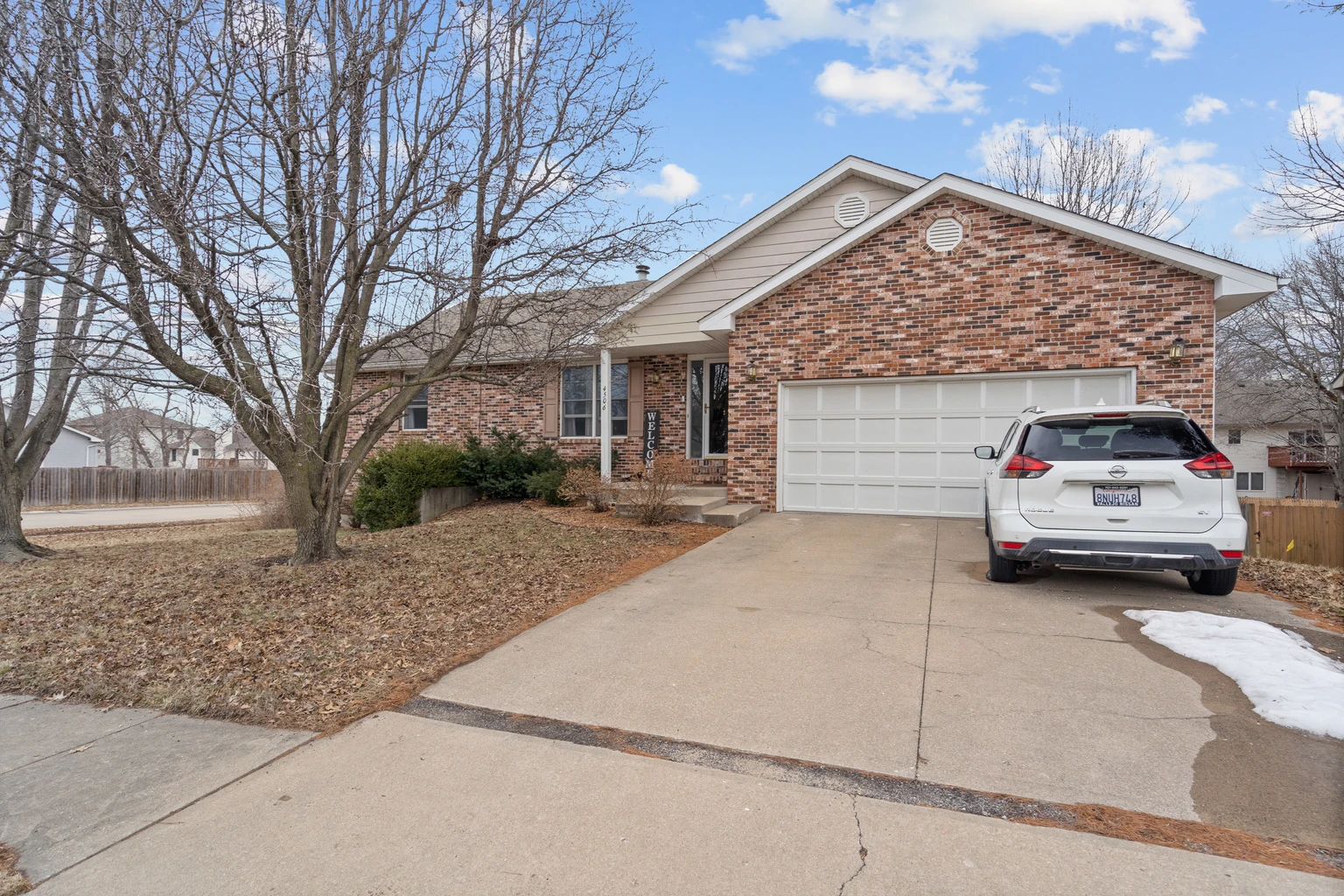
Recently Sold Investment Properties in Kansas City, MO
2 previously listed properties in Kansas City.


About the Kansas City Real Estate Investment Market
Kansas City has quietly become one of the most consistent real estate performers in the country, and 2026 is shaping up to be the strongest year of the recovery cycle. The Heartland MLS reported a March 2026 median sales price of $325,000 across all properties, up 8.3% YoY: with year-to-date pricing through March at $320,000, a 6.7% YoY increase. Existing-home pricing alone climbed 10.5% YoY to $309,300. Inventory tightened slightly, with 6,946 active listings (down 4.6% YoY) and 2.2 months of supply, keeping the metro firmly in seller-leaning territory. Days on market averaged 52 days in March 2026, essentially flat YoY, while homes are selling at roughly 96.3%–97.5% of original list price, strong absorption for a market this size.
Sales velocity tells the same story. March 2026 closed sales were up 11.1% YoY at 3,047 homes, year-to-date pending sales were up 8.7%, and the combined Q1 2026 closings across Johnson and Jackson counties hit 3,593, a 5.9% YoY increase. The luxury segment ($1M+) had a particularly strong run: Johnson County posted a 57% YoY increase in million-dollar closings and the $2M+ tier nearly tripled. New construction is also accelerating, with new-build pending sales up 28% YoY, suggesting builders are finding their footing as mortgage rates settle into the 6.0%–6.8% range. Kansas City's metro median price still sits comfortably below the U.S. national median of about $396,800, which is the affordability gap that keeps drawing in-migration from higher-cost metros.
For investors, Kansas City's 2026 thesis rests on two structural drivers: durable affordability and a multi-year wave of corporate capital. Median home prices in the $300K–$325K range with average two-bedroom rents around $1,300–$1,500 produce rental yields near 5%, not the highest in the Midwest, but compensated for by exceptional supply-demand fundamentals. Multifamily occupancy is running at 96.4% with 4% YoY rent growth, and Kansas City was ranked #3 nationally for rental property investing in 2026. The corporate story is the kicker: Panasonic's $4 billion EV battery plant in De Soto opened in July 2025 and is targeting 4,000 jobs by year-end 2026; Meta's $1 billion "Project Velvet" data center in the Northland came online in August 2025 with construction having peaked at 1,500 skilled trade workers; Google has its own data center investment in the region; and the new KCI airport (opened 2023) plus a $9B+ downtown revival continue to compound. T-Mobile and Garmin remain anchor employers.
Neighborhood-level activity in Kansas City is concentrating in a clear set of submarkets. Columbus Park (downtown-adjacent and walkable), the West Bottoms (historic industrial converting to creative residential and retail), and the Troost Corridor (a major redevelopment spine running north-south through the city) are the three most-cited up-and-coming areas for 2025–2026. Marlborough offers the most affordable entry points with appreciation upside, the Crossroads Arts District and Westport remain anchors of the urban core, and the Country Club Plaza continues to set the high-water mark for premium mixed-use. Population growth (the metro is at 2.2 million, projected to reach 3.41 million by 2072) and a diversified employment base in healthcare, technology, transportation, and manufacturing give Kansas City the demographic and economic runway most cash-flow markets lack.
Key Market Statistics for Kansas City
| Median Sale Price | Inventory Level | Avg Days on Market | YoY Price Change |
|---|---|---|---|
| $325,000 | 6,946 | 52 days | +8.3% |
Source: aggregated public real estate data, as of March 2026.
Year-Over-Year Market Comparison
Kansas City's 2025-into-2026 trajectory is one of the cleanest "boring is good" stories in U.S. real estate. Median sales prices climbed steadily from late 2024 into 2026, ending Q1 2026 at $325,000 (up 8.3% YoY) on Heartland MLS all-property data and at $309,300 (up 10.5% YoY) on existing-homes-only. Active inventory contracted 4.6% YoY to 6,946 listings, supply months tightened 8.3% YoY to 2.2 months, and days on market held essentially flat YoY at 52. Sales volume re-accelerated meaningfully in early 2026, March closings were up 11.1% YoY, year-to-date pending sales up 8.7%, and luxury ($1M+) Johnson County closings were up 57% YoY. New construction pending sales jumped 28% YoY, a leading indicator that builders are seeing absorption return. Compared to the volatile pricing in Sun Belt metros and the deep cash-flow stretch in coastal markets, Kansas City's combination of mid-single-digit-to-high-single-digit price growth, tight supply, and durable absorption makes the 2025→2026 transition a textbook continuation rather than an inflection.
Trending Neighborhoods in Kansas City
- Columbus Park
- West Bottoms
- Troost Corridor
- Marlborough
- Crossroads Arts District
- Westport
- Country Club Plaza
- North Kansas City
- Brookside
- Waldo
In-Demand Property Types in Kansas City
- Single-family rentals in inner-ring neighborhoods
- New-construction single-family in the Northland
- Small multifamily in Westport / Troost Corridor
- Loft and mixed-use product in West Bottoms / Crossroads
Recent Market Shifts & Trends
The defining shift in Kansas City heading into 2026 is the convergence of three tailwinds: a durable seller-leaning market (2.2 months of supply, sale-to-list near 97%), a re-acceleration of buyer demand as mortgage rates settle into the low-to-mid-6% range, and a step-change in regional employment from Panasonic, Meta, Google, T-Mobile, and Garmin investments. New construction pending sales jumped 28% YoY, luxury closings ($1M+) in Johnson County rose 57% YoY, and the metro's population continues to expand toward a projected 3.41 million by 2072. Inventory remains constrained, down 4.6% YoY, even as new builds come online, suggesting the supply-demand balance favors sellers and landlords for the foreseeable future. The biggest watch item is whether the data-center revenue projections (some of which have underperformed initial expectations for school district tax bases) translate into the broader municipal finance picture as expected, but the underlying jobs and population numbers are real.
Expert Insights
“Kansas City is firmly in seller territory in 2026. The March median sales price across the Heartland MLS hit $325,000, up 8.3% year-over-year, with 6,946 active listings (down 4.6%) and just 2.2 months of supply. Year-to-date pending sales are up 8.7%, closed sales are up 11.1% in March, and homes are still selling at roughly 96.3% to 97.5% of original list price. The luxury segment is exceptional, Johnson County $1M+ closings are up 57% YoY and the $2M+ tier has nearly tripled.”
“Kansas City was ranked #3 for rental property investing in 2026 because the fundamentals are unusually well-aligned. Median home prices around $303,000–$320,000 sit roughly 16% below the national average, average rents are $1,300–$1,400, multifamily occupancy is 96.4% with 4% year-over-year rent growth, and the metro's population of 2.2 million is projected to reach 3.41 million by 2072. Panasonic's $4B De Soto plant, Meta's $1B data center, and Google's investments are pulling skilled-trade and tech employment into the region in ways that should support sustained rental demand.”
“Meta's $1 billion "Project Velvet" data center came online in the Northland in August 2025, supporting more than 100 permanent jobs and peaking at roughly 1,500 skilled trade workers during construction. The facility is LEED Gold-certified and runs on 100% clean and renewable energy. Combined with Panasonic's De Soto battery plant and Google's data center investment, Kansas City has secured a multi-decade pipeline of high-paying employment that real estate markets typically take 5–10 years to fully price in.”
Key Takeaways
For investors, Kansas City in 2026 is one of the most balanced "buy and hold" markets in the country: strong appreciation, durable rental fundamentals, and a corporate investment cycle that should compound over the next decade. Three actionable points: (1) Lean into the seller-leaning math. With 2.2 months of supply and homes selling at ~97% of original list, well-priced rental and live-in flip product is moving quickly; this is not a market to wait out. (2) Follow the corporate capital. Panasonic's De Soto plant, Meta's Northland data center, and Google's regional investments are concentrating high-income job creation in specific sub-geographies: Northland, Johnson County, and the I-35 corridor toward De Soto, and rental demand should track those employment centers. (3) The urban-core revitalization plays in Columbus Park, the West Bottoms, the Troost Corridor, and Marlborough offer the cleanest combination of appreciation and yield in the metro. With a metro median still well below the national median, mid-to-high-single-digit price growth, and population projected to grow ~55% by 2072, Kansas City's 2026 setup is one of the best risk-adjusted real estate stories in the central U.S.
Frequently Asked Questions About Kansas City Real Estate
Is Kansas City, MO a good market for fractional real estate investing?
For investors, Kansas City in 2026 is one of the most balanced "buy and hold" markets in the country: strong appreciation, durable rental fundamentals, and a corporate investment cycle that should compound over the next decade. Three actionable points: (1) Lean into the seller-leaning math. With 2.2 months of supply and homes selling at ~97% of original list, well-priced rental and live-in flip product is moving quickly; this is not a market to wait out. (2) Follow the corporate capital. Panasonic's De Soto plant, Meta's Northland data center, and Google's regional investments are concentrating high-income job creation in specific sub-geographies: Northland, Johnson County, and the I-35 corridor toward De Soto, and rental demand should track those employment centers. (3) The urban-core revitalization plays in Columbus Park, the West Bottoms, the Troost Corridor, and Marlborough offer the cleanest combination of appreciation and yield in the metro. With a metro median still well below the national median, mid-to-high-single-digit price growth, and population projected to grow ~55% by 2072, Kansas City's 2026 setup is one of the best risk-adjusted real estate stories in the central U.S.
What is the median sale price in Kansas City, MO?
The median sale price in Kansas City, MO is approximately $325,000 as of March 2026.
What are trending neighborhoods in Kansas City, MO?
Trending neighborhoods in Kansas City, MO include Columbus Park, West Bottoms, Troost Corridor, Marlborough, Crossroads Arts District, Westport.
What property types are in demand for investment properties in Kansas City, MO?
In-demand investment property types in Kansas City, MO include Single-family rentals in inner-ring neighborhoods, New-construction single-family in the Northland, Small multifamily in Westport / Troost Corridor, Loft and mixed-use product in West Bottoms / Crossroads.
Data Sources
- eMetropolitan Real Estate, Kansas City Local Market Reports
- KCRAR / Heartland MLS, Local Market Update
- Van Noy Real Estate, Q1 2026 Kansas City Market Update
- The Rost Group, February 2026 Kansas City Market Update
- Dani Beyer Realtor, 2026 Kansas City Real Estate Predictions
- Wardell Holmes, Up-and-Coming Kansas City Neighborhoods
- Alpine Property Management, 2026 Kansas City Rental Investing
- KCUR, Meta Kansas City Data Center
- Kansas City Business Journal, Data Center Revenue
- FRED: Median Days on Market, Kansas City CBSA
Other Investment Property Markets Near Kansas City
Explore fractional real estate investment properties in other U.S. markets on Lofty.
- Investment Properties in Fallwood, MO
- Investment Properties in Saint Albans, MO
- Investment Properties in St Louis, MO
- Investment Properties in Acton, CA
- Investment Properties in Akron, OH
- Investment Properties in Albany, NY
- Investment Properties in Albuquerque, NM
- Investment Properties in Atlanta, GA
- Investment Properties in Atlantic City, NJ
- Investment Properties in Austin, TX
- Investment Properties in Avon Park, FL
- Investment Properties in Baltimore, MD