'/%3e%3cpath%20d='M110.5%2074.84L61.56%20113.3V150.04H0V87.4L110.5%200V74.84Z'%20fill='url(%23paint1_linear_1102_1766)'/%3e%3cpath%20d='M159.44%20150.04L159.44%20205.81H159.2L110.5%20166.53L61.8001%20205.81H61.5601L61.56%20150.04L110.5%20110.57L159.44%20150.04Z'%20fill='url(%23paint2_linear_1102_1766)'/%3e%3cpath%20d='M110.5%20110.57V166.53L61.8001%20205.81H61.5601L61.56%20150.04L110.5%20110.57Z'%20fill='url(%23paint3_linear_1102_1766)'/%3e%3cpath%20d='M159.44%20206H61.5601L61.8001%20205.81L110.5%20166.53L159.2%20205.81L159.44%20206Z'%20fill='url(%23paint4_linear_1102_1766)'/%3e%3cdefs%3e%3clinearGradient%20id='paint0_linear_1102_1766'%20x1='166'%20y1='-19.908'%20x2='145.641'%20y2='227.731'%20gradientUnits='userSpaceOnUse'%3e%3cstop%20stop-color='%23B5AAFF'/%3e%3cstop%20offset='0.723958'%20stop-color='%238977FF'/%3e%3c/linearGradient%3e%3clinearGradient%20id='paint1_linear_1102_1766'%20x1='64'%20y1='15.7891'%20x2='172.309'%20y2='257.652'%20gradientUnits='userSpaceOnUse'%3e%3cstop%20stop-color='%239383FF'/%3e%3cstop%20offset='0.75'%20stop-color='%234D3FED'/%3e%3c/linearGradient%3e%3clinearGradient%20id='paint2_linear_1102_1766'%20x1='171.462'%20y1='36.6188'%20x2='8.598'%20y2='270.272'%20gradientUnits='userSpaceOnUse'%3e%3cstop%20offset='0.229167'%20stop-color='%23B5AAFF'/%3e%3cstop%20offset='0.994792'%20stop-color='%238977FF'/%3e%3c/linearGradient%3e%3clinearGradient%20id='paint3_linear_1102_1766'%20x1='55.7219'%20y1='-31.3876'%20x2='76.8187'%20y2='349.172'%20gradientUnits='userSpaceOnUse'%3e%3cstop%20offset='0.307292'%20stop-color='%239383FF'/%3e%3cstop%20offset='0.854167'%20stop-color='%234D3FED'/%3e%3c/linearGradient%3e%3clinearGradient%20id='paint4_linear_1102_1766'%20x1='110'%20y1='271'%20x2='76.5255'%20y2='202.314'%20gradientUnits='userSpaceOnUse'%3e%3cstop%20stop-color='%23B5AAFF'/%3e%3cstop%20offset='0.90625'%20stop-color='%238977FF'/%3e%3c/linearGradient%3e%3c/defs%3e%3c/svg%3e)
'/%3e%3cpath%20d='M110.5%2074.84L61.56%20113.3V150.04H0V87.4L110.5%200V74.84Z'%20fill='url(%23paint1_linear_1102_1752)'/%3e%3cpath%20d='M159.44%20150.04L159.44%20205.81H159.2L110.5%20166.53L61.8001%20205.81H61.5601L61.56%20150.04L110.5%20110.57L159.44%20150.04Z'%20fill='url(%23paint2_linear_1102_1752)'/%3e%3cpath%20d='M110.5%20110.57V166.53L61.8001%20205.81H61.5601L61.56%20150.04L110.5%20110.57Z'%20fill='url(%23paint3_linear_1102_1752)'/%3e%3cpath%20d='M159.44%20206H61.5601L61.8001%20205.81L110.5%20166.53L159.2%20205.81L159.44%20206Z'%20fill='url(%23paint4_linear_1102_1752)'/%3e%3cdefs%3e%3clinearGradient%20id='paint0_linear_1102_1752'%20x1='166'%20y1='-19.908'%20x2='145.641'%20y2='227.731'%20gradientUnits='userSpaceOnUse'%3e%3cstop%20stop-color='%23B5AAFF'/%3e%3cstop%20offset='0.723958'%20stop-color='%238977FF'/%3e%3c/linearGradient%3e%3clinearGradient%20id='paint1_linear_1102_1752'%20x1='64'%20y1='15.7891'%20x2='172.309'%20y2='257.652'%20gradientUnits='userSpaceOnUse'%3e%3cstop%20stop-color='%239383FF'/%3e%3cstop%20offset='0.75'%20stop-color='%234D3FED'/%3e%3c/linearGradient%3e%3clinearGradient%20id='paint2_linear_1102_1752'%20x1='171.462'%20y1='36.6188'%20x2='8.598'%20y2='270.272'%20gradientUnits='userSpaceOnUse'%3e%3cstop%20offset='0.229167'%20stop-color='%23B5AAFF'/%3e%3cstop%20offset='0.994792'%20stop-color='%238977FF'/%3e%3c/linearGradient%3e%3clinearGradient%20id='paint3_linear_1102_1752'%20x1='55.7219'%20y1='-31.3876'%20x2='76.8187'%20y2='349.172'%20gradientUnits='userSpaceOnUse'%3e%3cstop%20offset='0.307292'%20stop-color='%239383FF'/%3e%3cstop%20offset='0.854167'%20stop-color='%234D3FED'/%3e%3c/linearGradient%3e%3clinearGradient%20id='paint4_linear_1102_1752'%20x1='110'%20y1='271'%20x2='76.5255'%20y2='202.314'%20gradientUnits='userSpaceOnUse'%3e%3cstop%20stop-color='%23B5AAFF'/%3e%3cstop%20offset='0.90625'%20stop-color='%238977FF'/%3e%3c/linearGradient%3e%3c/defs%3e%3c/svg%3e)
Investment Properties in Portland, OR
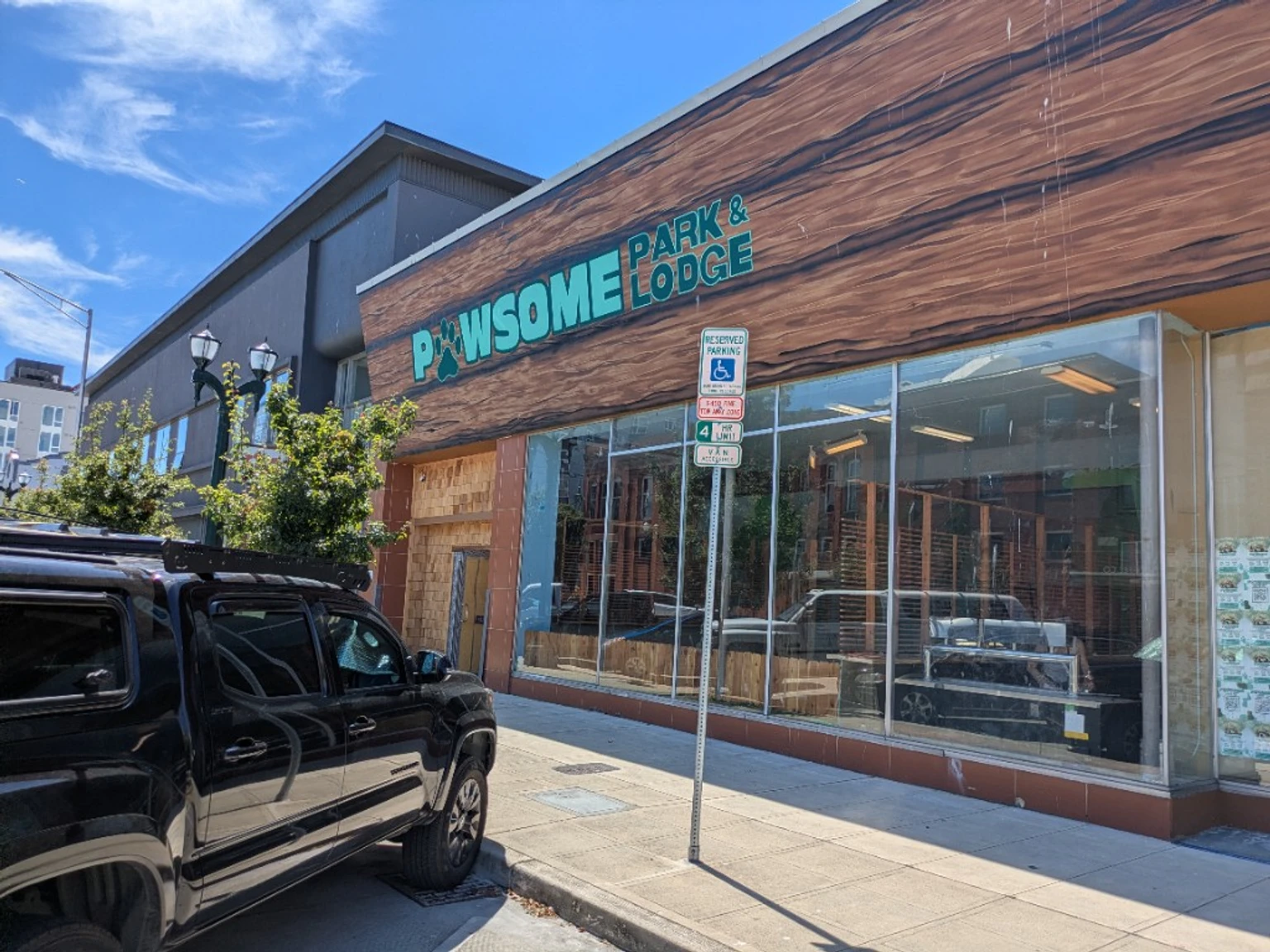
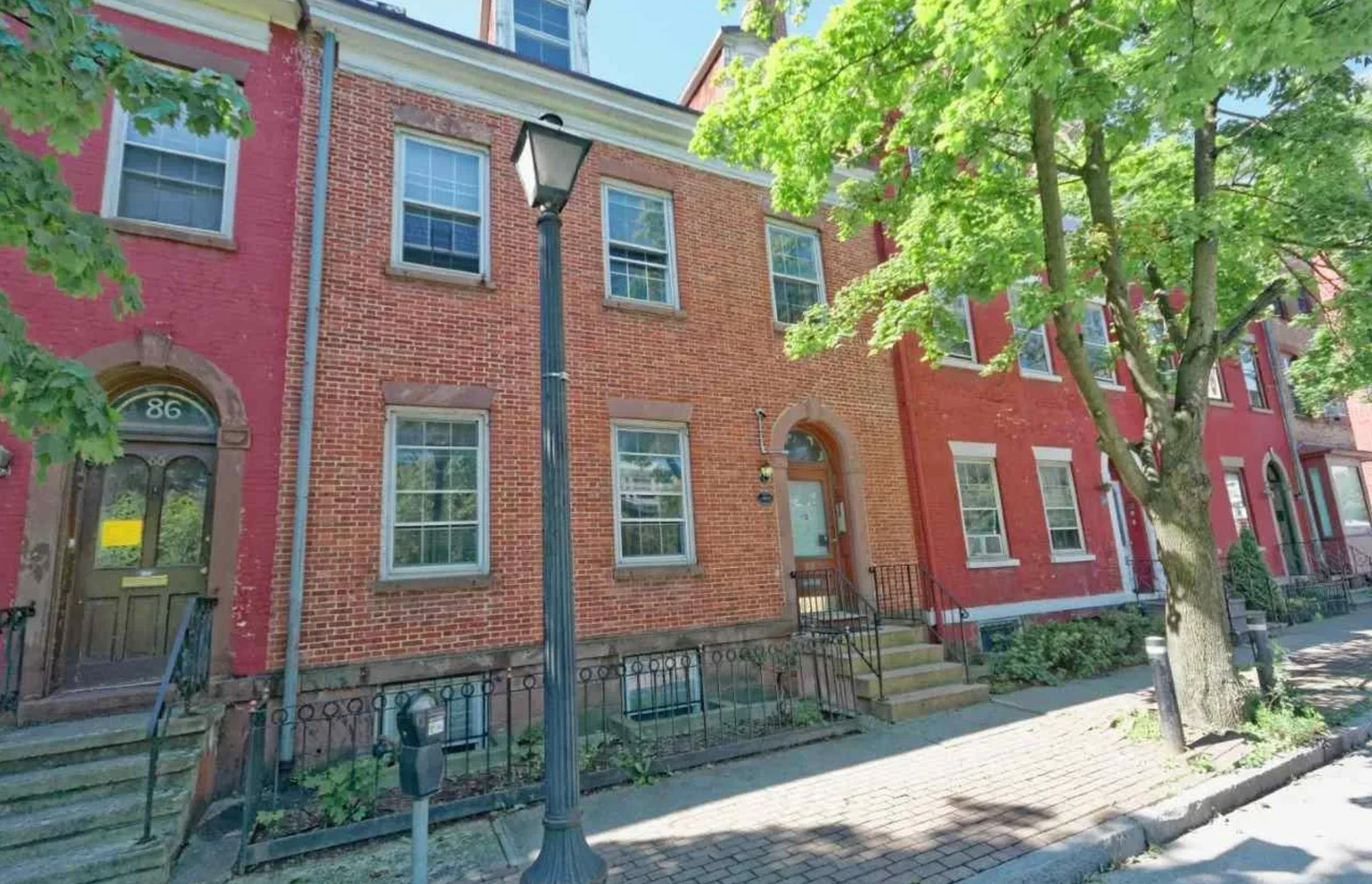
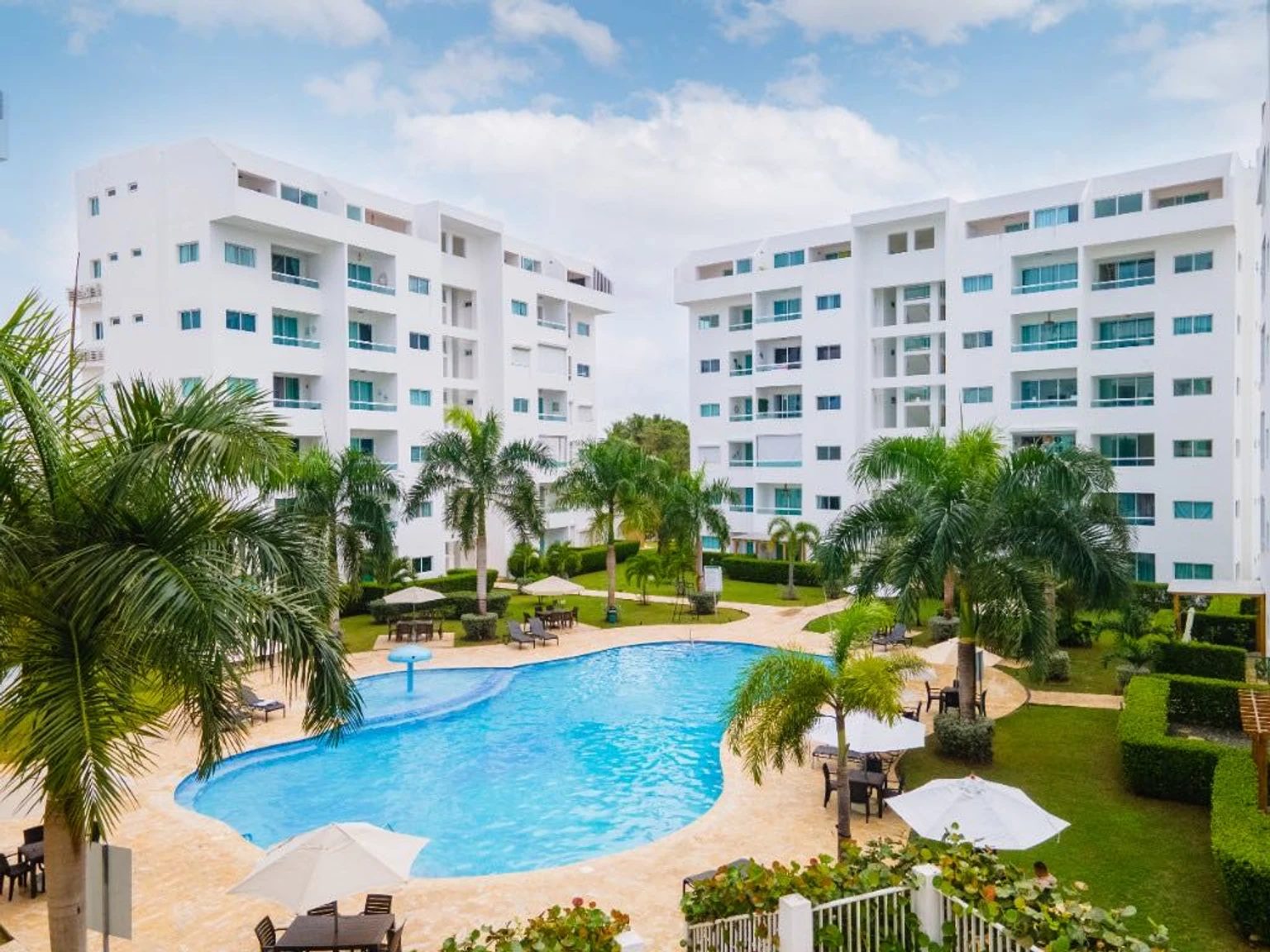
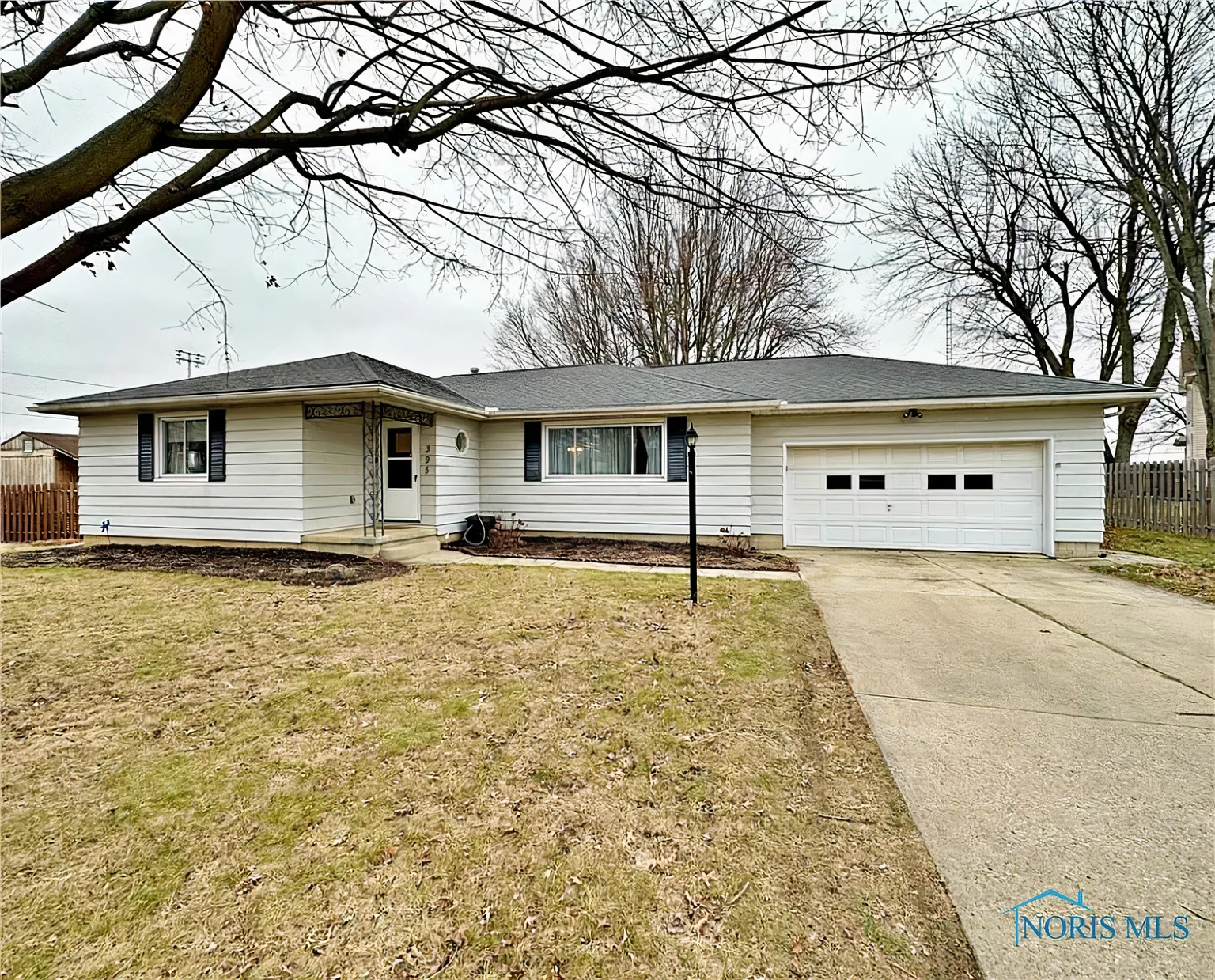
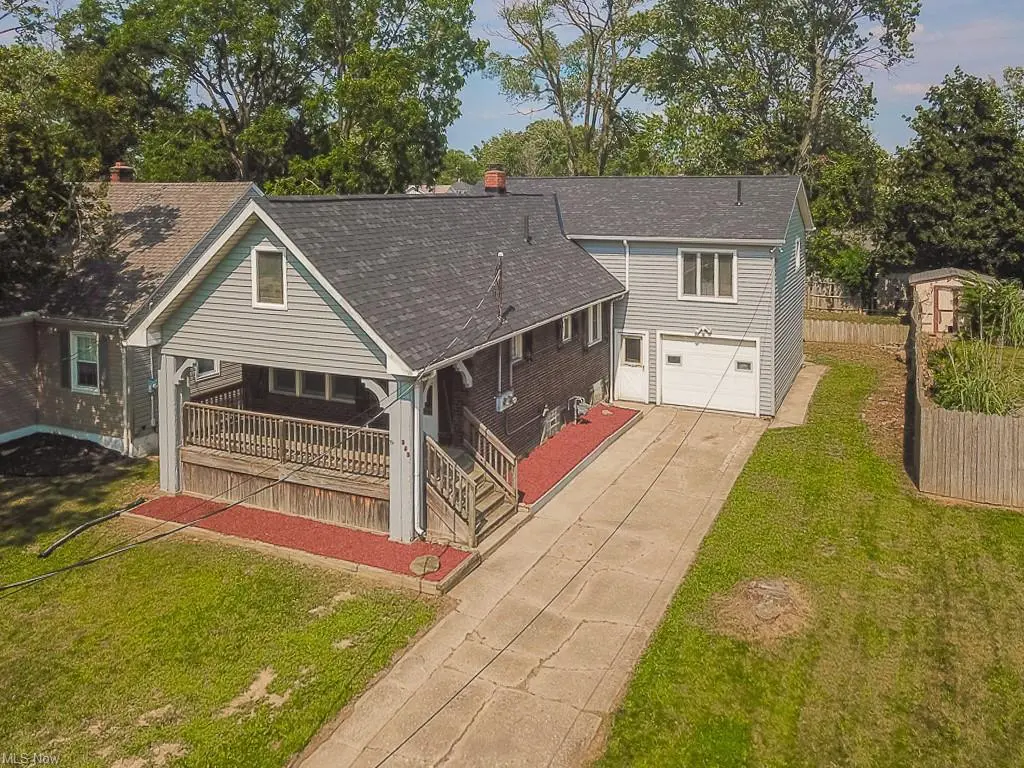
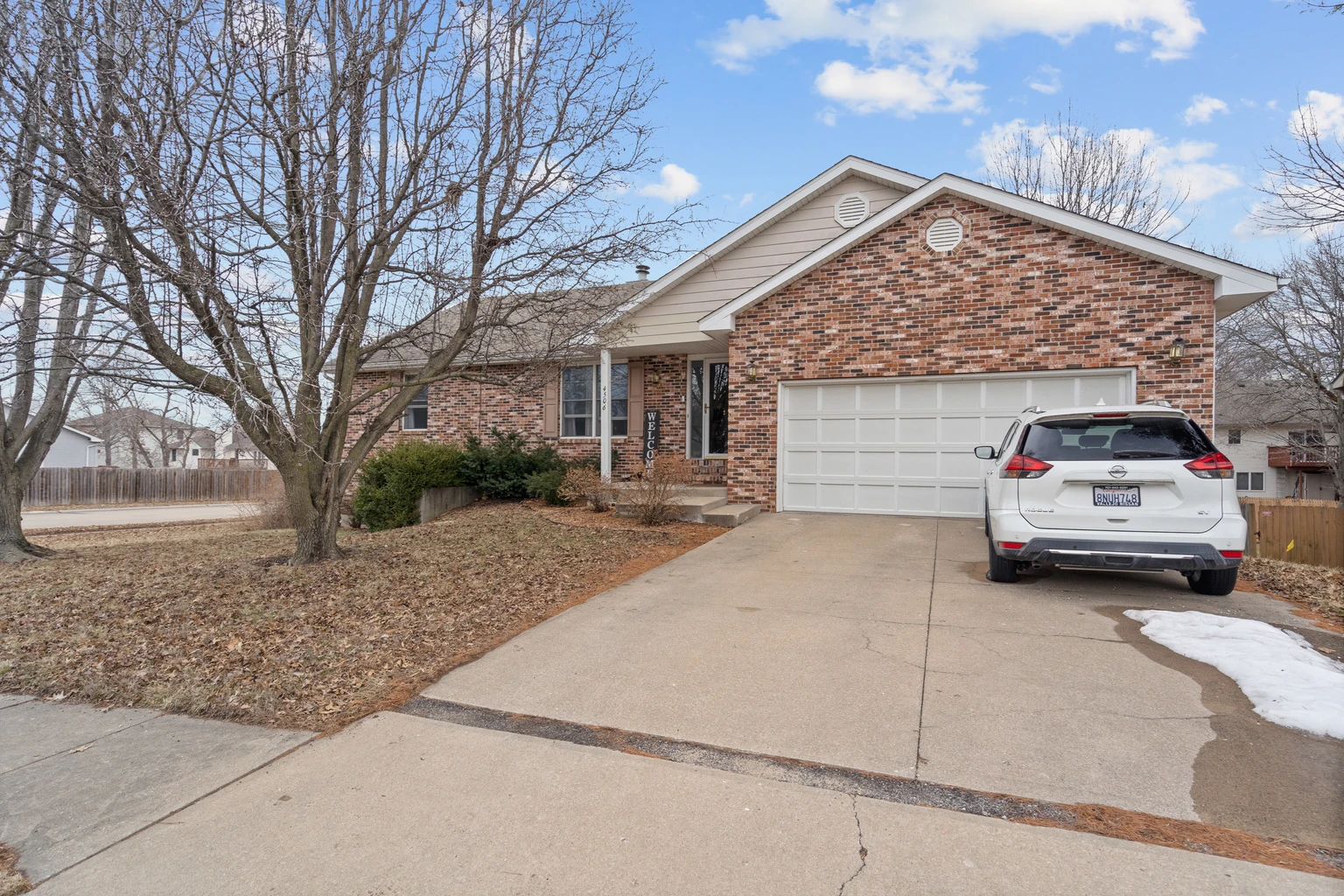
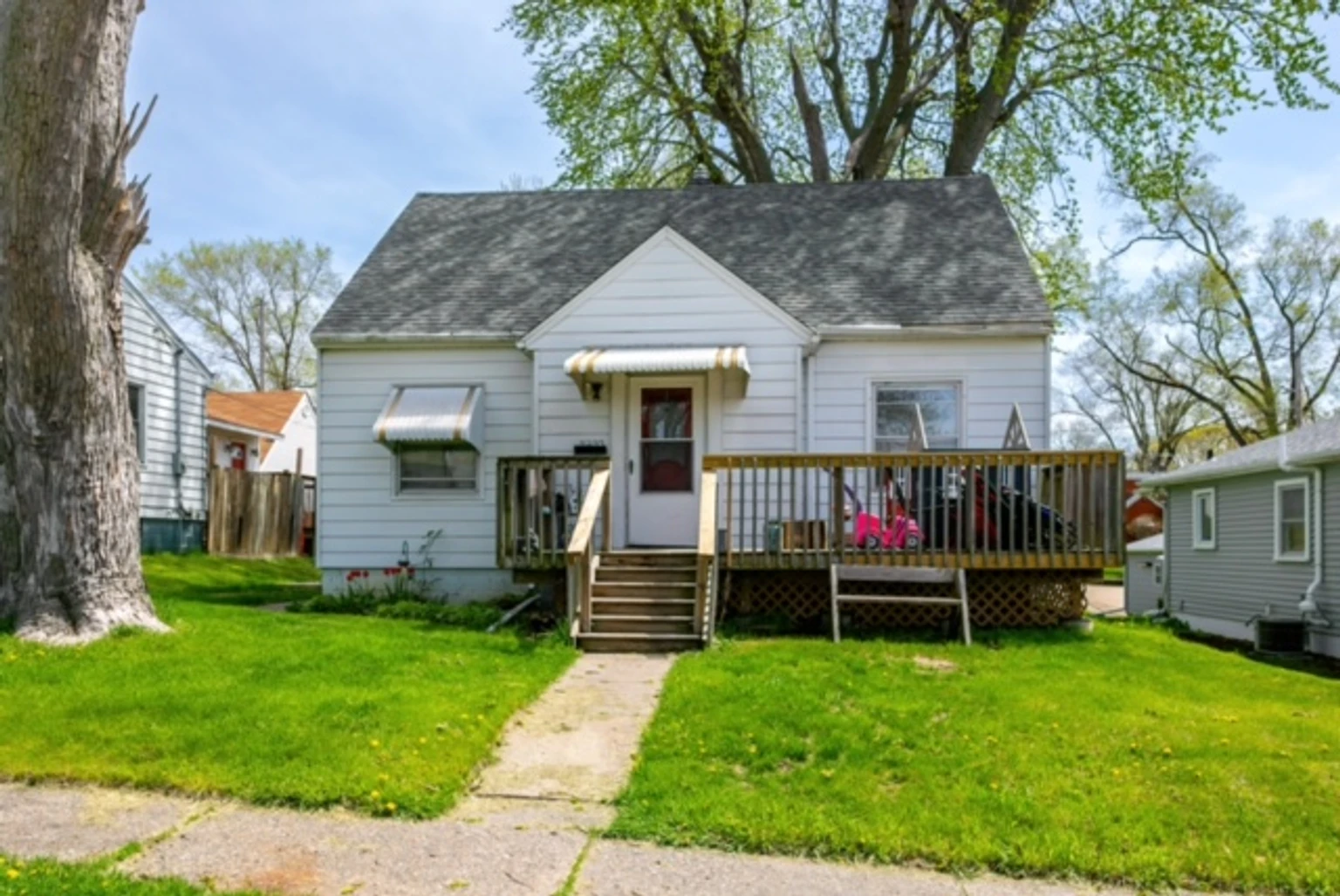
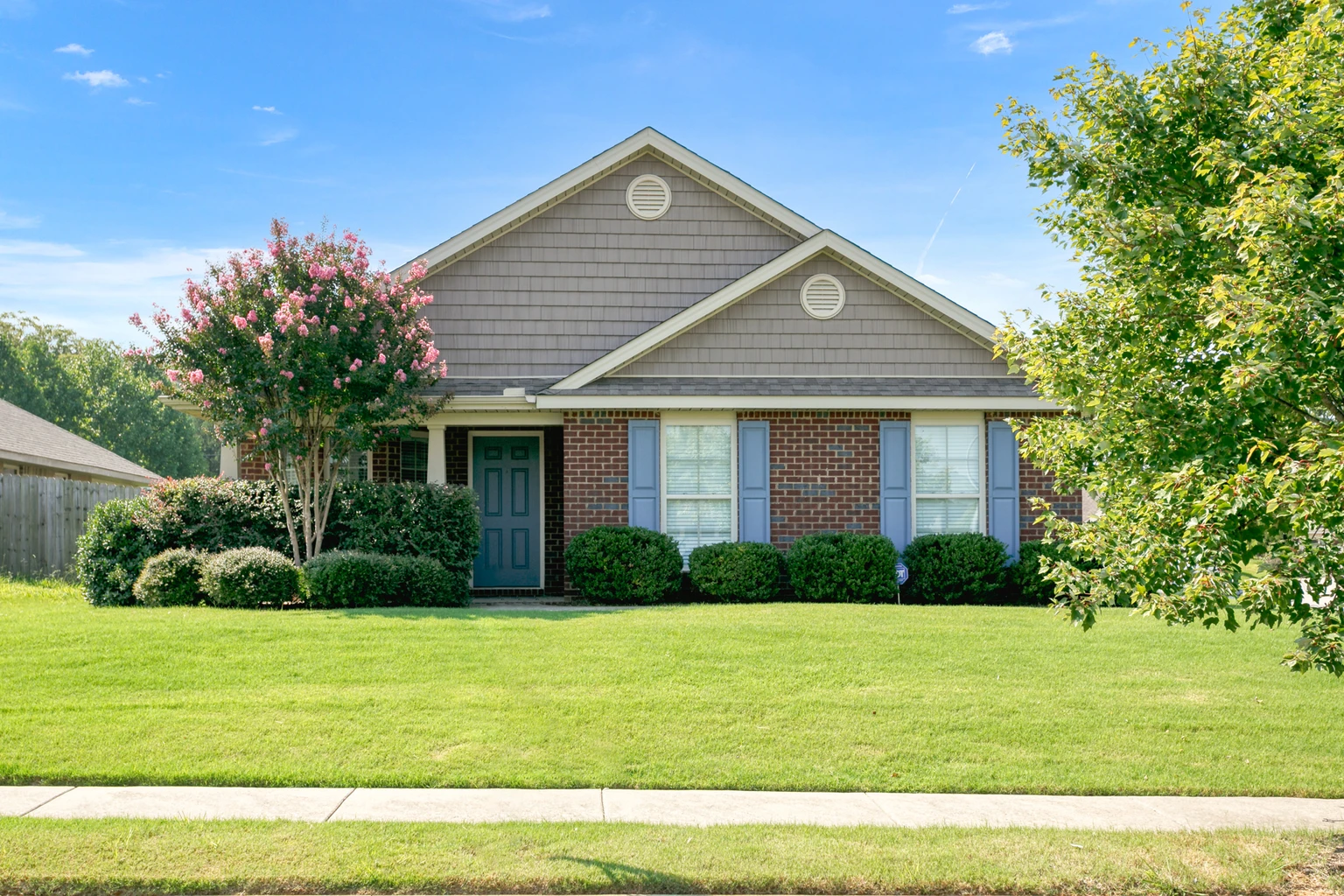
1 fractional real estate investment property available now in Portland.
Available investment properties in Portland, OR
About the Portland Real Estate Investment Market
Portland's real estate market enters 2026 with the look and feel of a recovering market rather than a booming one. After a multi-year stretch in which transaction volume cratered and headline prices drifted lower, the Portland metro is showing the first credible signs of a turnaround. The March 2026 metro median sale price came in at $543,800 with closed sales up 11% year-over-year and pending sales up 5.5%, while the rolling 12-month median has held remarkably steady at $545,000. RMLS data places the broader Portland market at 3.0 months of inventory, which sits right at the line between a seller's market and a balanced one, tight enough to keep good homes moving, loose enough that buyers no longer have to waive contingencies on the first weekend.
The Portland 2026 story is fundamentally bifurcated. Inner-city neighborhoods on the east side and walkable corridors are still seeing healthy demand and shorter market times, while outer suburbs like Milwaukie, Beaverton-Aloha, and East Portland are absorbing slower inventory growth. The Residential Infill Project (RIP) continues to reshape Portland's investor opportunity set: zoning changes that allow up to four (and in some configurations six) units on previously single-family lots have turned scrappy SE and N Portland parcels into legitimate small-multifamily plays, especially for investors willing to renovate or reposition older bungalows.
Portland's rental side remains the softer leg of the story. Multifamily NW data shows metro vacancy rising to roughly 6.25% in spring 2026, up from 5.85% a year earlier, with Downtown and SW Portland leading at 8.6% vacancy after a 28% year-over-year jump. Asking rents are essentially flat at around $2.08 per square foot, but ongoing four-to-eight-week concessions are pushing effective rents lower than headline numbers suggest. Operating expenses, meanwhile, have surged 20%-plus over the same period, squeezing owner margins even as the construction pipeline drops to its smallest 2026 delivery slate in a decade, a setup that points to firmer rental fundamentals once existing supply gets absorbed.
For investors looking at Portland in 2026, the case is built on patience and selectivity. Prices have found a floor rather than continuing to slide, transaction volumes are inflecting up, and structural supply constraints (RIP-driven density, slowing groundbreakings, and Oregon's urban growth boundary) limit the downside on long-run pricing. The near-term risk is operating: vacancy remains elevated in pockets, concessions are real, and Portland-specific regulatory dynamics around tenant protections need to be priced in. But the combination of stabilizing prices, recovering activity, and a rapidly thinning new-supply pipeline makes Portland one of the more interesting contrarian setups in the West for 2026.
Key Market Statistics for Portland
| Median Sale Price | Inventory Level | Avg Days on Market | YoY Price Change |
|---|---|---|---|
| $543,800 | 5,310 | 79 days | -2.8% |
Source: aggregated public real estate data, as of March 2026.
Year-Over-Year Market Comparison
Portland's 2025-to-2026 transition is best characterized as price stabilization with a velocity rebound. Year-to-date through March 2026, the median sale price across the Portland metro fell 2.8% to $525,000 from $540,000 in the same period of 2025, but that decline came alongside a 27.4% month-over-month spike in closed sales and an 11% year-over-year increase in March activity. Total market time stretched to 79 days versus 71 a year ago, an 11.3% increase that reflects the broader market's shift toward more deliberate buyer behavior, but inventory tightened back to 3.0 months from 3.6 months in February, suggesting demand is once again outpacing the listing pipeline as the spring selling season ramps. New listings rose 2.7% year-over-year, the smallest of the headline activity moves and the clearest sign that supply growth is no longer the main story in Portland. On the rental side, Portland closed 2025 with advertised asking rents falling 0.6% year-over-year, slightly worse than the 0.3% national contraction, but Q1 2026 readings stabilized as the metro's heavy 2023-2024 delivery cycle finally rolled off and 2026 is now projected to post the fewest multifamily completions in a decade.
Trending Neighborhoods in Portland
- SE Division Mid-Corridor (60th-82nd)
- NE 72nd Avenue Village Node (Cully)
- SE Foster Creative Corridor
- North Lombard Gateway (Kenton & St. Johns)
- The Jade District (SE 82nd & Division)
- Brentwood-Darlington
- Montavilla outer edges
- Lents micro-districts around Foster
- Gresham Rockwood redevelopment pockets
- Inner NE Portland (Alberta, Concordia)
In-Demand Property Types in Portland
- RIP-eligible single-family lots for 2-4 unit conversions
- Duplexes and triplexes in walkable east-side neighborhoods
- Renovated bungalows with ADU or basement-unit potential
- Small mixed-use buildings along inner-east Portland corridors
- Stabilized 5-20 unit multifamily in suburban submarkets (Vancouver, Clackamas)
Recent Market Shifts & Trends
The cleanest shift in the Portland market over the last twelve months is the move from a pure correction story to a stabilization-and-recovery story. Pending sales have inflected from essentially flat in January 2026 to up 10.5% by February and up 5.5% year-over-year in March, which is the first real sign of buyer reactivation since rates spiked in 2022. Mortgage rates settling near 6% have nudged previously rate-locked Portland move-up buyers back into the market, and the loosening of inventory through 2025, which averaged roughly 16% higher than 2024, has given buyers space to shop without giving up pricing power overnight. The Portland multifamily picture is shifting in parallel: groundbreakings have slowed sharply, 2026 deliveries are expected to be the lowest in a decade, and HFO and Multifamily NW both characterize the current setup as the early innings of a suburban-led recovery, with Vancouver, Clackamas County, and Inner NE Portland already showing tightening fundamentals.
Expert Insights
“Portland in 2026 is shaping up as a turnaround year rather than a continued correction. We are seeing a slow but steady recovery in transaction volume, with March 2026 closed sales up 11% year-over-year and pending sales up 5.5%, while the median sale price has stabilized in the $525,000 to $545,000 band. This is a pause in movement, not a crash in value, Portland buyers and sellers should expect a more balanced, slightly buyer-friendly market through 2026 with mortgage rates around 6% and modest 1% to 4% price appreciation.”
“Portland multifamily is showing early signs of stabilization with suburban markets leading the recovery. Metro vacancy has ticked up to roughly 6.25% in spring 2026, but Inner NE Portland and Clackamas County have tightened considerably while Downtown and SW Portland still carry an 8.6% vacancy headwind. Operating expenses have surged 20% or more over the past three years even as rents stayed flat, so 2026 is fundamentally about owners who can ride out the concession cycle and benefit from the smallest delivery slate Portland has seen in a decade.”
“Portland's Residential Infill Project is the single most underappreciated investor catalyst in the city. RIP allows investors to buy single-family lots and add up to four, and in some cases six, units on parcels that previously could only support one home, creating real forced-appreciation pathways in high-cost neighborhoods. Combined with low vacancy in core east-side micro-corridors and supply constraints from Oregon's urban growth boundary, RIP-driven repositioning is where the most asymmetric Portland upside lives in 2026.”
Key Takeaways
Portland in 2026 favors patient, fundamentally driven investors over momentum buyers. With prices stable, transaction volumes inflecting, and the multifamily pipeline thinning to its lowest level in a decade, the right move is to acquire RIP-eligible lots, walkable east-side duplexes and triplexes, and stabilized small multifamily in suburbs like Vancouver and Clackamas County where vacancy is already tightening. Concessions remain real on the rental side and underwriting should explicitly reflect 4-8 weeks of free rent and 20%-plus expense inflation versus three years ago. Investors who can ride out 2026 on in-place yield while waiting for the supply pipeline to clear should benefit disproportionately as Portland transitions from its multi-year correction into a measured recovery in 2027 and beyond.
Frequently Asked Questions About Portland Real Estate
Is Portland, OR a good market for fractional real estate investing?
Portland in 2026 favors patient, fundamentally driven investors over momentum buyers. With prices stable, transaction volumes inflecting, and the multifamily pipeline thinning to its lowest level in a decade, the right move is to acquire RIP-eligible lots, walkable east-side duplexes and triplexes, and stabilized small multifamily in suburbs like Vancouver and Clackamas County where vacancy is already tightening. Concessions remain real on the rental side and underwriting should explicitly reflect 4-8 weeks of free rent and 20%-plus expense inflation versus three years ago. Investors who can ride out 2026 on in-place yield while waiting for the supply pipeline to clear should benefit disproportionately as Portland transitions from its multi-year correction into a measured recovery in 2027 and beyond.
What is the median sale price in Portland, OR?
The median sale price in Portland, OR is approximately $543,800 as of March 2026.
What are trending neighborhoods in Portland, OR?
Trending neighborhoods in Portland, OR include SE Division Mid-Corridor (60th-82nd), NE 72nd Avenue Village Node (Cully), SE Foster Creative Corridor, North Lombard Gateway (Kenton & St. Johns), The Jade District (SE 82nd & Division), Brentwood-Darlington.
What property types are in demand for investment properties in Portland, OR?
In-demand investment property types in Portland, OR include RIP-eligible single-family lots for 2-4 unit conversions, Duplexes and triplexes in walkable east-side neighborhoods, Renovated bungalows with ADU or basement-unit potential, Small mixed-use buildings along inner-east Portland corridors.
Data Sources
- RMLS Portland Market Action Report
- McKillion Group Portland Market Update
- Lovejoy Real Estate, Portland Metro Update
- Cano Real Estate, Portland Metro Update
- Multifamily NW, Spring 2026 Apartment Report
- HFO Investment Real Estate, Portland Multifamily Trends
- Yardi Matrix Portland Multifamily Report
- Tindell & Co., Portland Micro-Districts to Watch
- Own in PDX, Portland Neighborhoods to Watch
- Paris Group Realty, Portland Investment Properties
- Stacker, How Long It Takes to Sell a Home in Portland
Other Investment Property Markets Near Portland
Explore fractional real estate investment properties in other U.S. markets on Lofty.
- Investment Properties in The Dalles, OR
- Investment Properties in Acton, CA
- Investment Properties in Akron, OH
- Investment Properties in Albany, NY
- Investment Properties in Albuquerque, NM
- Investment Properties in Atlanta, GA
- Investment Properties in Atlantic City, NJ
- Investment Properties in Austin, TX
- Investment Properties in Avon Park, FL
- Investment Properties in Baltimore, MD
- Investment Properties in Berkeley, CA
- Investment Properties in Birmingham, AL