'/%3e%3cpath%20d='M110.5%2074.84L61.56%20113.3V150.04H0V87.4L110.5%200V74.84Z'%20fill='url(%23paint1_linear_1102_1766)'/%3e%3cpath%20d='M159.44%20150.04L159.44%20205.81H159.2L110.5%20166.53L61.8001%20205.81H61.5601L61.56%20150.04L110.5%20110.57L159.44%20150.04Z'%20fill='url(%23paint2_linear_1102_1766)'/%3e%3cpath%20d='M110.5%20110.57V166.53L61.8001%20205.81H61.5601L61.56%20150.04L110.5%20110.57Z'%20fill='url(%23paint3_linear_1102_1766)'/%3e%3cpath%20d='M159.44%20206H61.5601L61.8001%20205.81L110.5%20166.53L159.2%20205.81L159.44%20206Z'%20fill='url(%23paint4_linear_1102_1766)'/%3e%3cdefs%3e%3clinearGradient%20id='paint0_linear_1102_1766'%20x1='166'%20y1='-19.908'%20x2='145.641'%20y2='227.731'%20gradientUnits='userSpaceOnUse'%3e%3cstop%20stop-color='%23B5AAFF'/%3e%3cstop%20offset='0.723958'%20stop-color='%238977FF'/%3e%3c/linearGradient%3e%3clinearGradient%20id='paint1_linear_1102_1766'%20x1='64'%20y1='15.7891'%20x2='172.309'%20y2='257.652'%20gradientUnits='userSpaceOnUse'%3e%3cstop%20stop-color='%239383FF'/%3e%3cstop%20offset='0.75'%20stop-color='%234D3FED'/%3e%3c/linearGradient%3e%3clinearGradient%20id='paint2_linear_1102_1766'%20x1='171.462'%20y1='36.6188'%20x2='8.598'%20y2='270.272'%20gradientUnits='userSpaceOnUse'%3e%3cstop%20offset='0.229167'%20stop-color='%23B5AAFF'/%3e%3cstop%20offset='0.994792'%20stop-color='%238977FF'/%3e%3c/linearGradient%3e%3clinearGradient%20id='paint3_linear_1102_1766'%20x1='55.7219'%20y1='-31.3876'%20x2='76.8187'%20y2='349.172'%20gradientUnits='userSpaceOnUse'%3e%3cstop%20offset='0.307292'%20stop-color='%239383FF'/%3e%3cstop%20offset='0.854167'%20stop-color='%234D3FED'/%3e%3c/linearGradient%3e%3clinearGradient%20id='paint4_linear_1102_1766'%20x1='110'%20y1='271'%20x2='76.5255'%20y2='202.314'%20gradientUnits='userSpaceOnUse'%3e%3cstop%20stop-color='%23B5AAFF'/%3e%3cstop%20offset='0.90625'%20stop-color='%238977FF'/%3e%3c/linearGradient%3e%3c/defs%3e%3c/svg%3e)
'/%3e%3cpath%20d='M110.5%2074.84L61.56%20113.3V150.04H0V87.4L110.5%200V74.84Z'%20fill='url(%23paint1_linear_1102_1752)'/%3e%3cpath%20d='M159.44%20150.04L159.44%20205.81H159.2L110.5%20166.53L61.8001%20205.81H61.5601L61.56%20150.04L110.5%20110.57L159.44%20150.04Z'%20fill='url(%23paint2_linear_1102_1752)'/%3e%3cpath%20d='M110.5%20110.57V166.53L61.8001%20205.81H61.5601L61.56%20150.04L110.5%20110.57Z'%20fill='url(%23paint3_linear_1102_1752)'/%3e%3cpath%20d='M159.44%20206H61.5601L61.8001%20205.81L110.5%20166.53L159.2%20205.81L159.44%20206Z'%20fill='url(%23paint4_linear_1102_1752)'/%3e%3cdefs%3e%3clinearGradient%20id='paint0_linear_1102_1752'%20x1='166'%20y1='-19.908'%20x2='145.641'%20y2='227.731'%20gradientUnits='userSpaceOnUse'%3e%3cstop%20stop-color='%23B5AAFF'/%3e%3cstop%20offset='0.723958'%20stop-color='%238977FF'/%3e%3c/linearGradient%3e%3clinearGradient%20id='paint1_linear_1102_1752'%20x1='64'%20y1='15.7891'%20x2='172.309'%20y2='257.652'%20gradientUnits='userSpaceOnUse'%3e%3cstop%20stop-color='%239383FF'/%3e%3cstop%20offset='0.75'%20stop-color='%234D3FED'/%3e%3c/linearGradient%3e%3clinearGradient%20id='paint2_linear_1102_1752'%20x1='171.462'%20y1='36.6188'%20x2='8.598'%20y2='270.272'%20gradientUnits='userSpaceOnUse'%3e%3cstop%20offset='0.229167'%20stop-color='%23B5AAFF'/%3e%3cstop%20offset='0.994792'%20stop-color='%238977FF'/%3e%3c/linearGradient%3e%3clinearGradient%20id='paint3_linear_1102_1752'%20x1='55.7219'%20y1='-31.3876'%20x2='76.8187'%20y2='349.172'%20gradientUnits='userSpaceOnUse'%3e%3cstop%20offset='0.307292'%20stop-color='%239383FF'/%3e%3cstop%20offset='0.854167'%20stop-color='%234D3FED'/%3e%3c/linearGradient%3e%3clinearGradient%20id='paint4_linear_1102_1752'%20x1='110'%20y1='271'%20x2='76.5255'%20y2='202.314'%20gradientUnits='userSpaceOnUse'%3e%3cstop%20stop-color='%23B5AAFF'/%3e%3cstop%20offset='0.90625'%20stop-color='%238977FF'/%3e%3c/linearGradient%3e%3c/defs%3e%3c/svg%3e)
Investment Properties in Quad Cities, IA-IL
6 fractional real estate investment properties available now in Quad Cities.
Available investment properties in Quad Cities, IA-IL
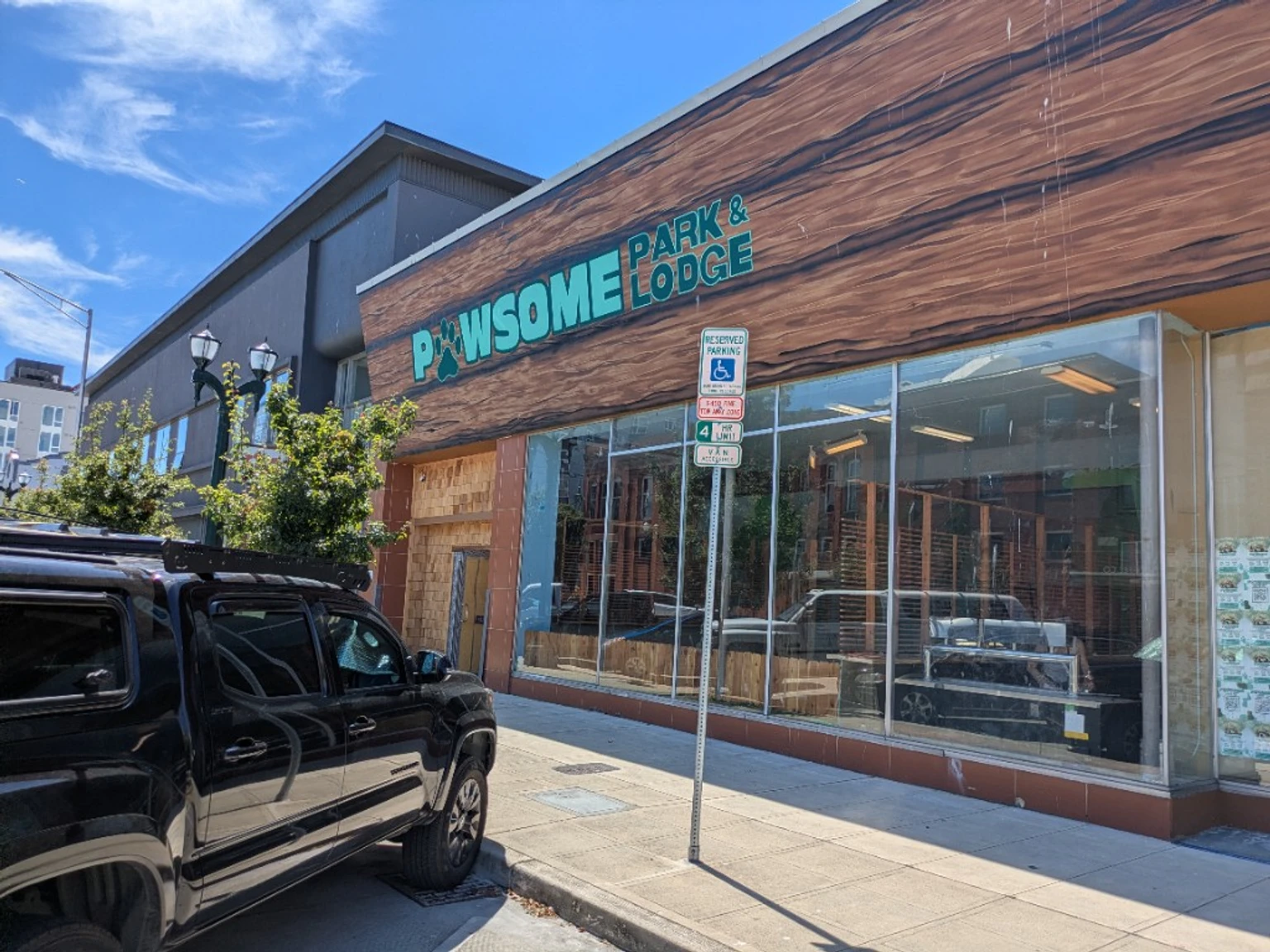
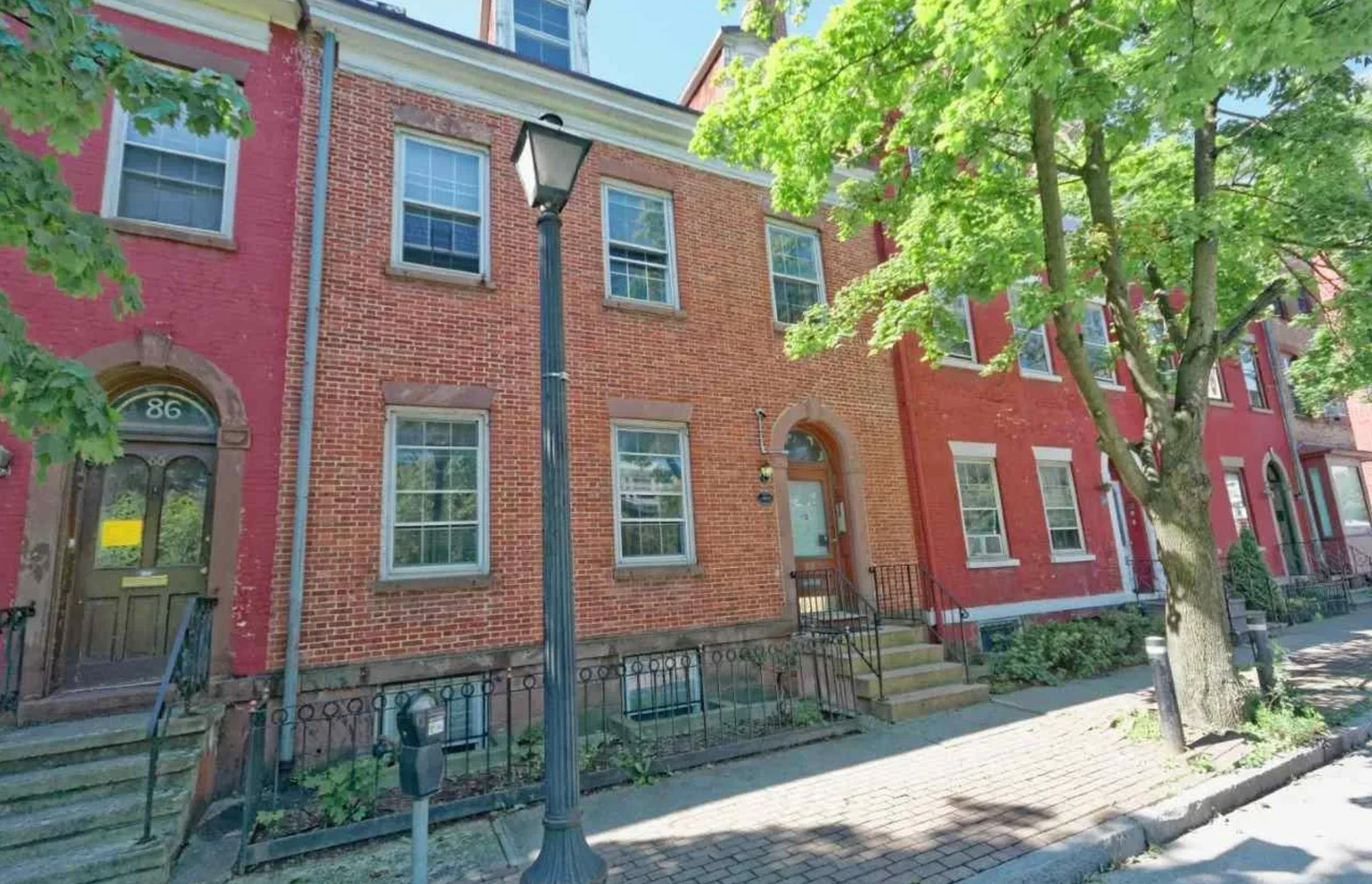
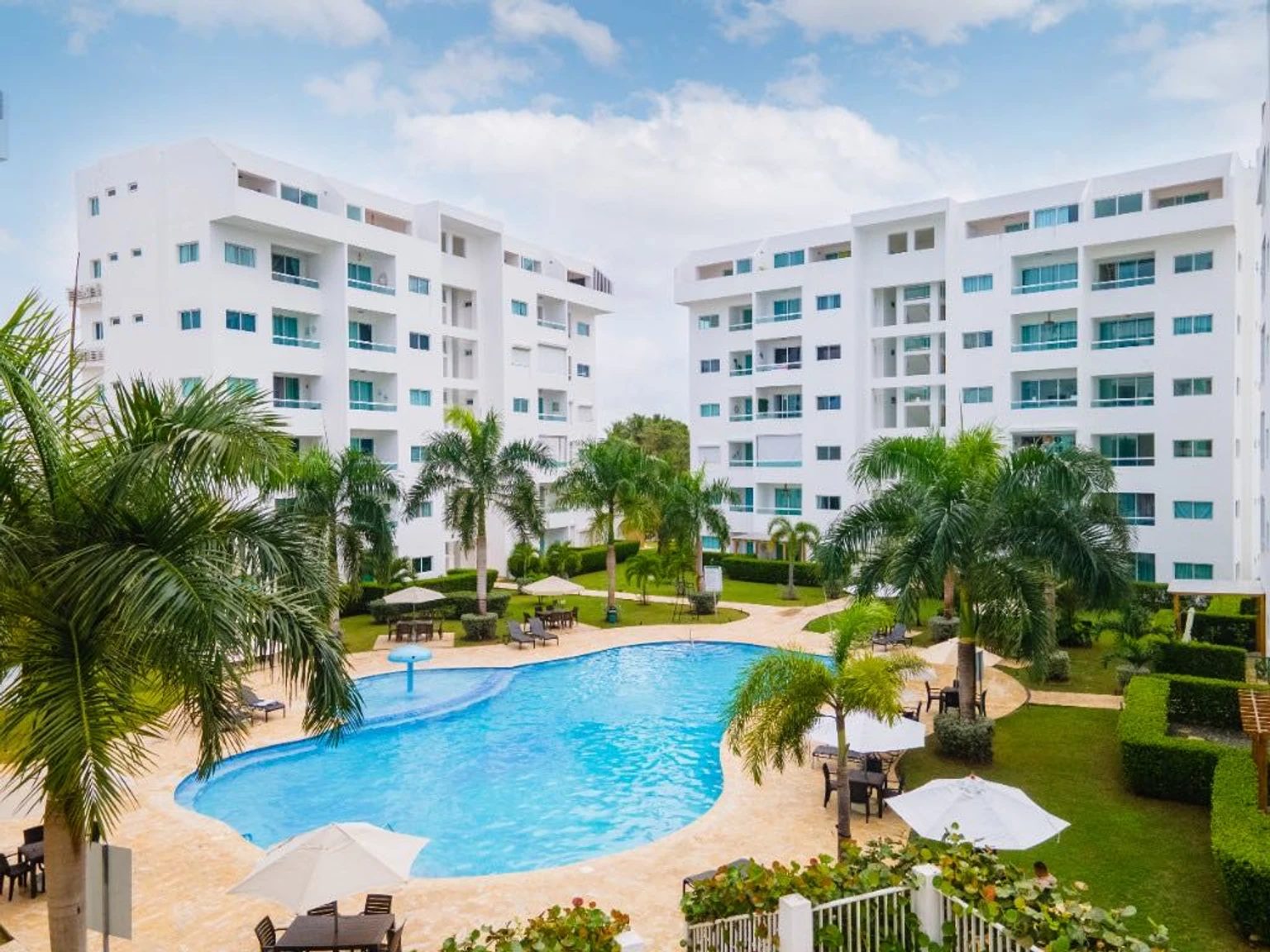
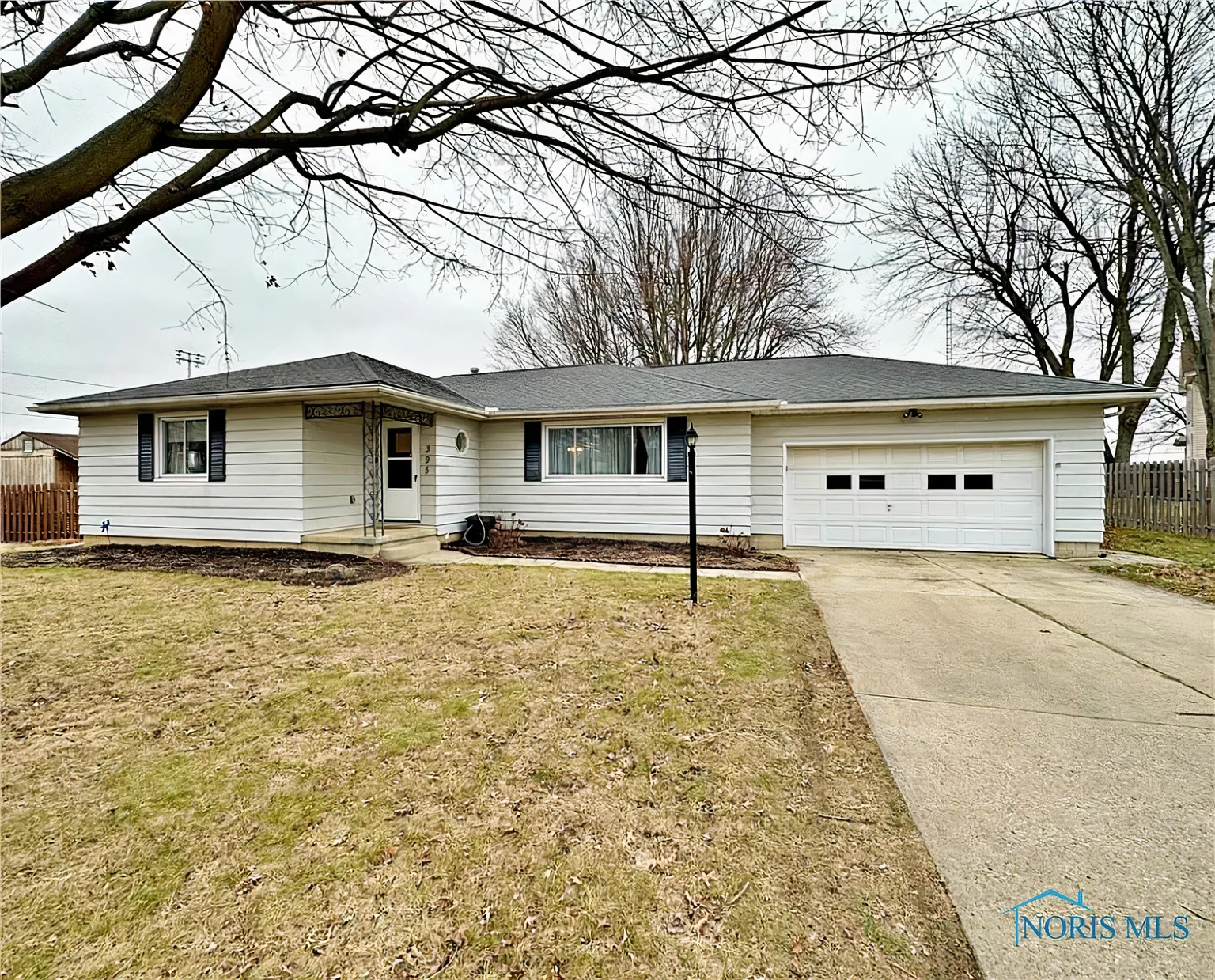
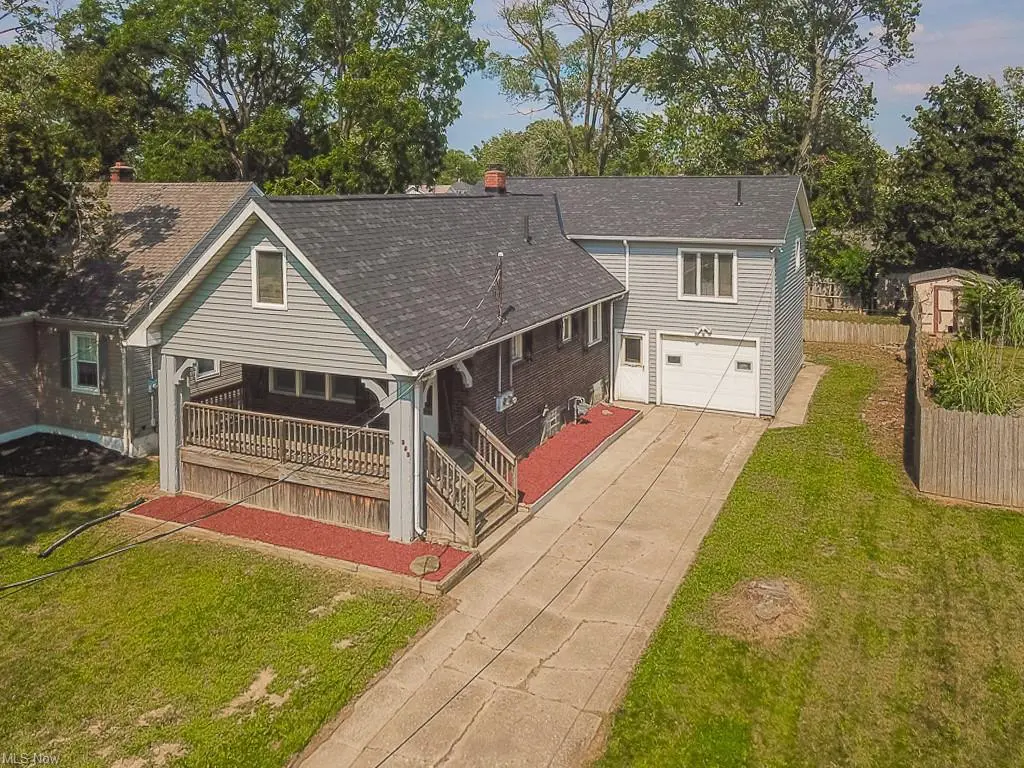
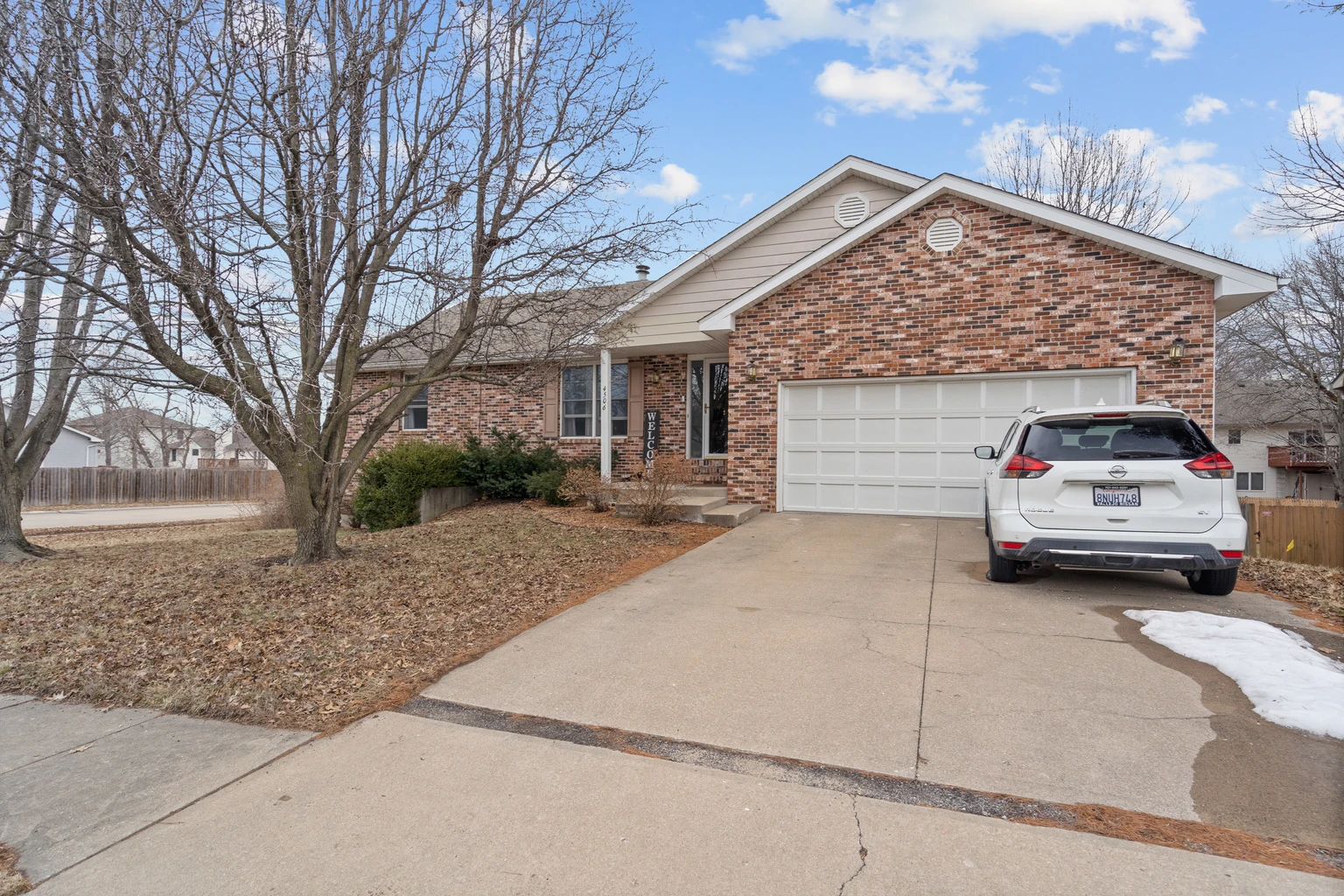
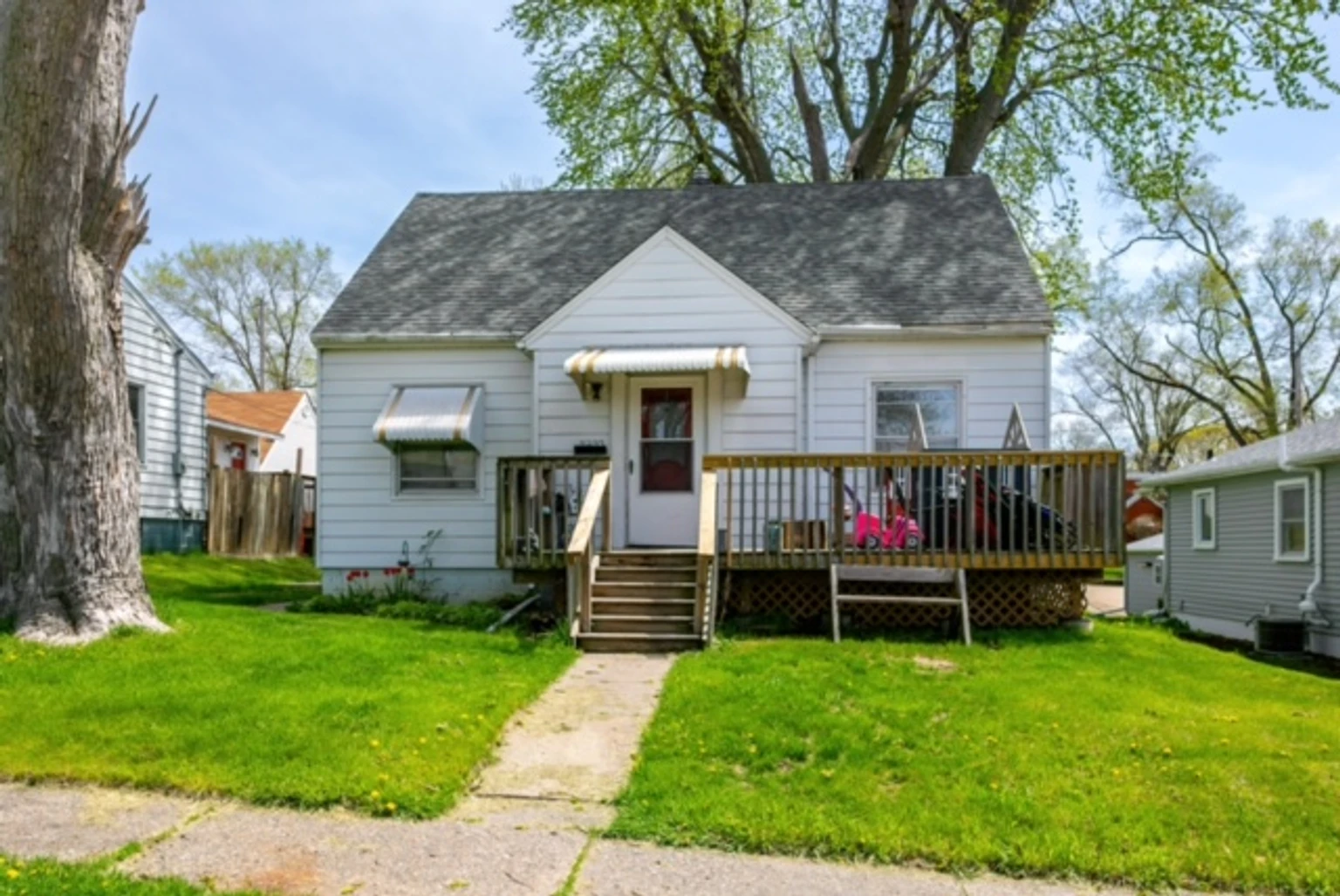
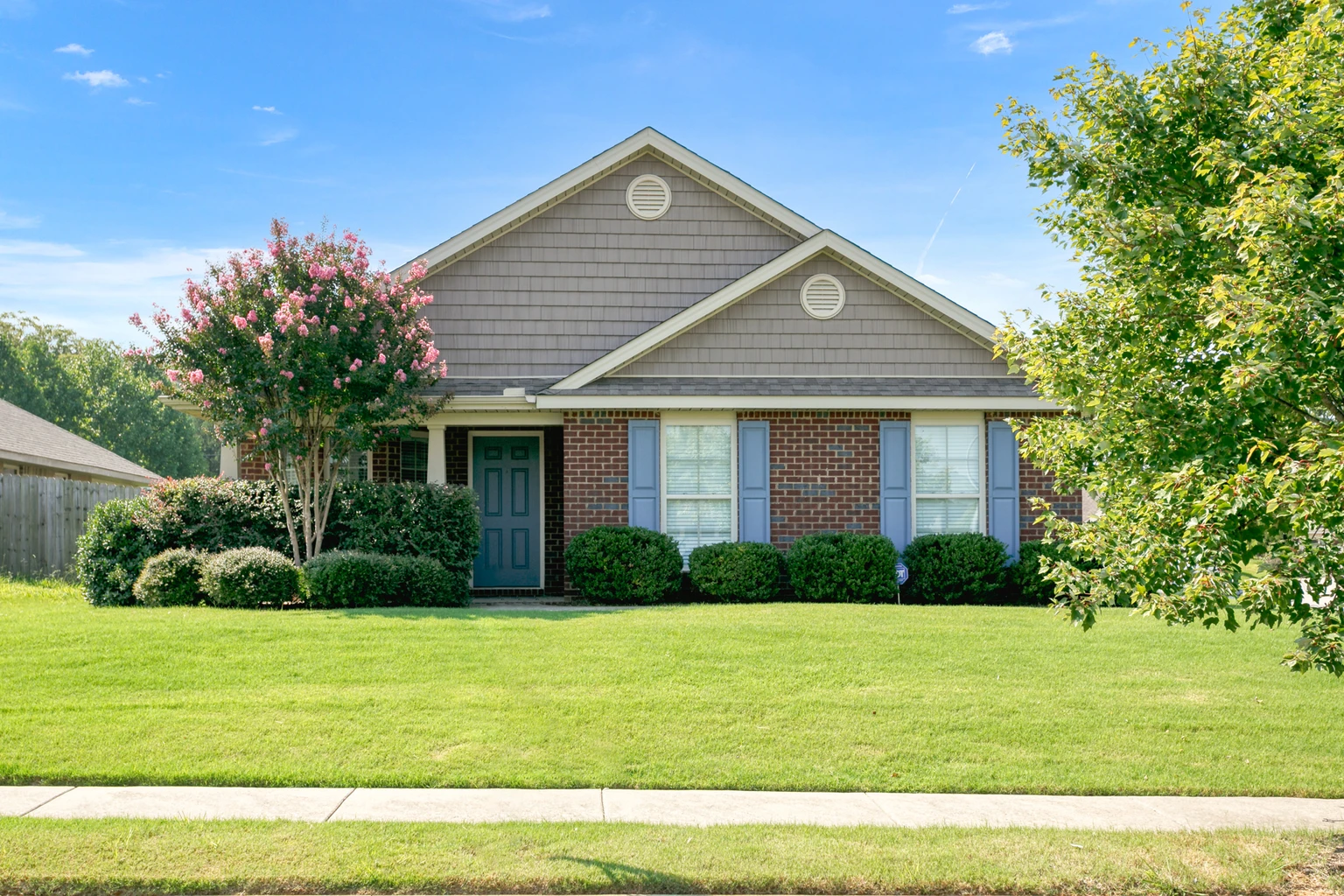
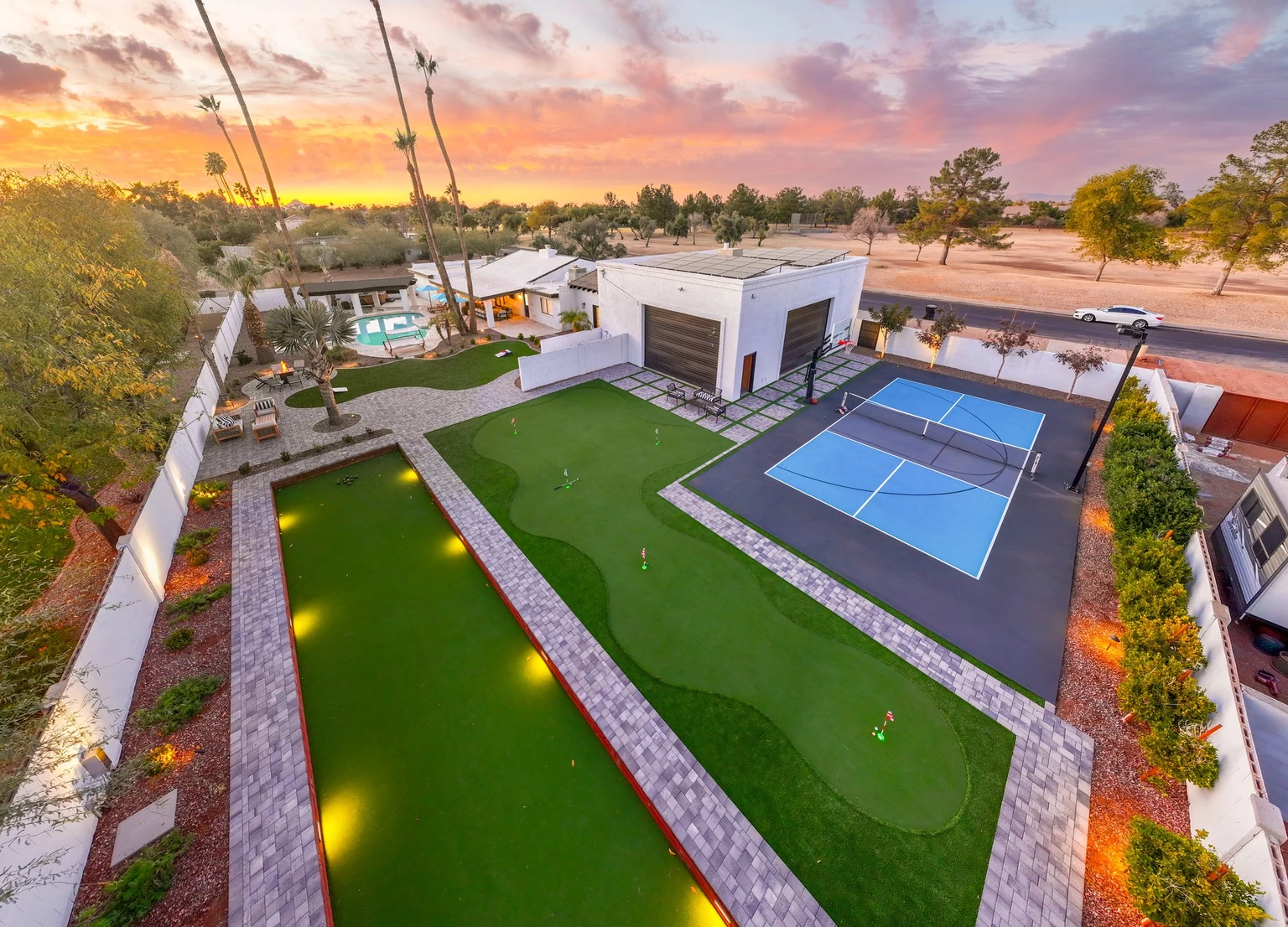
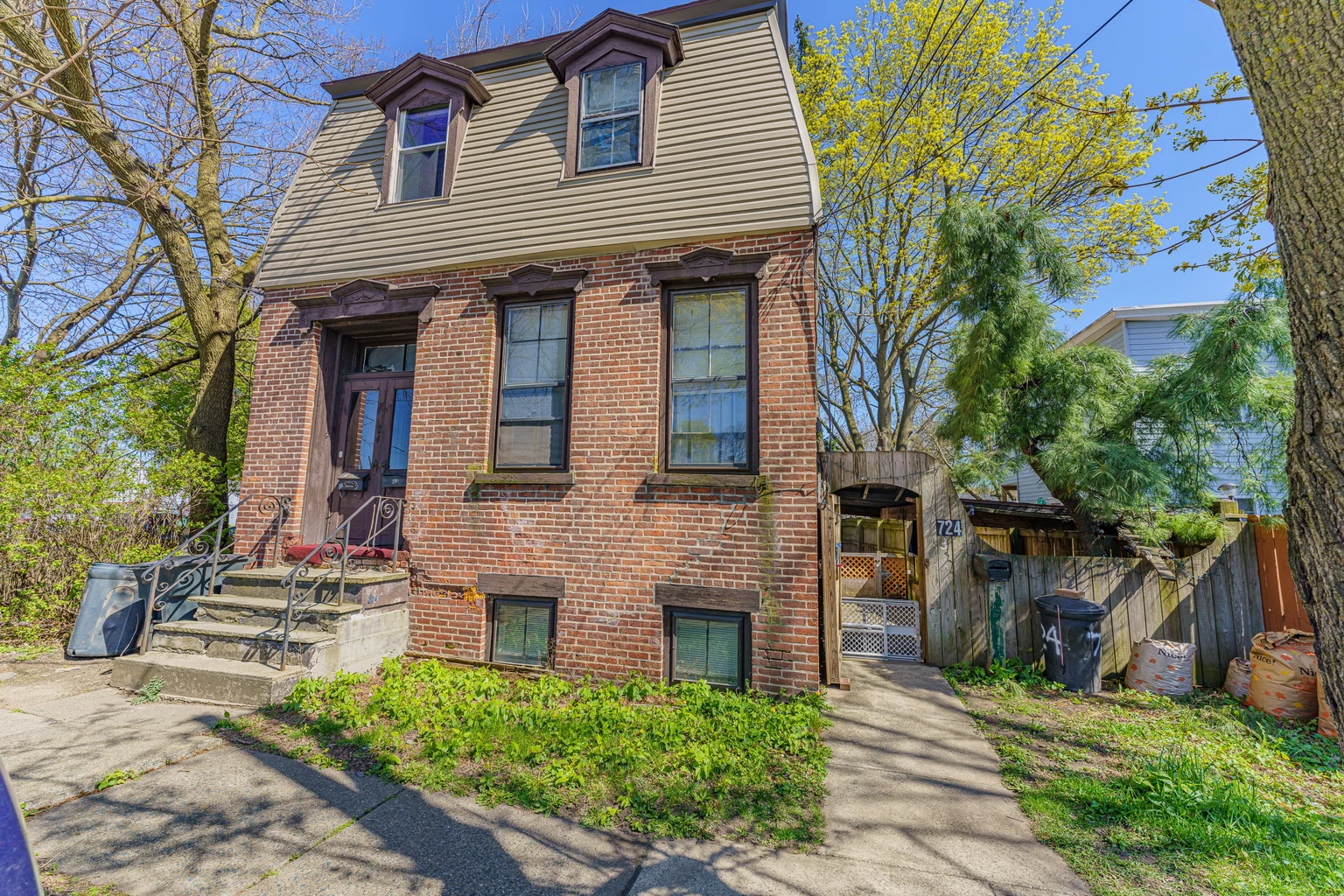
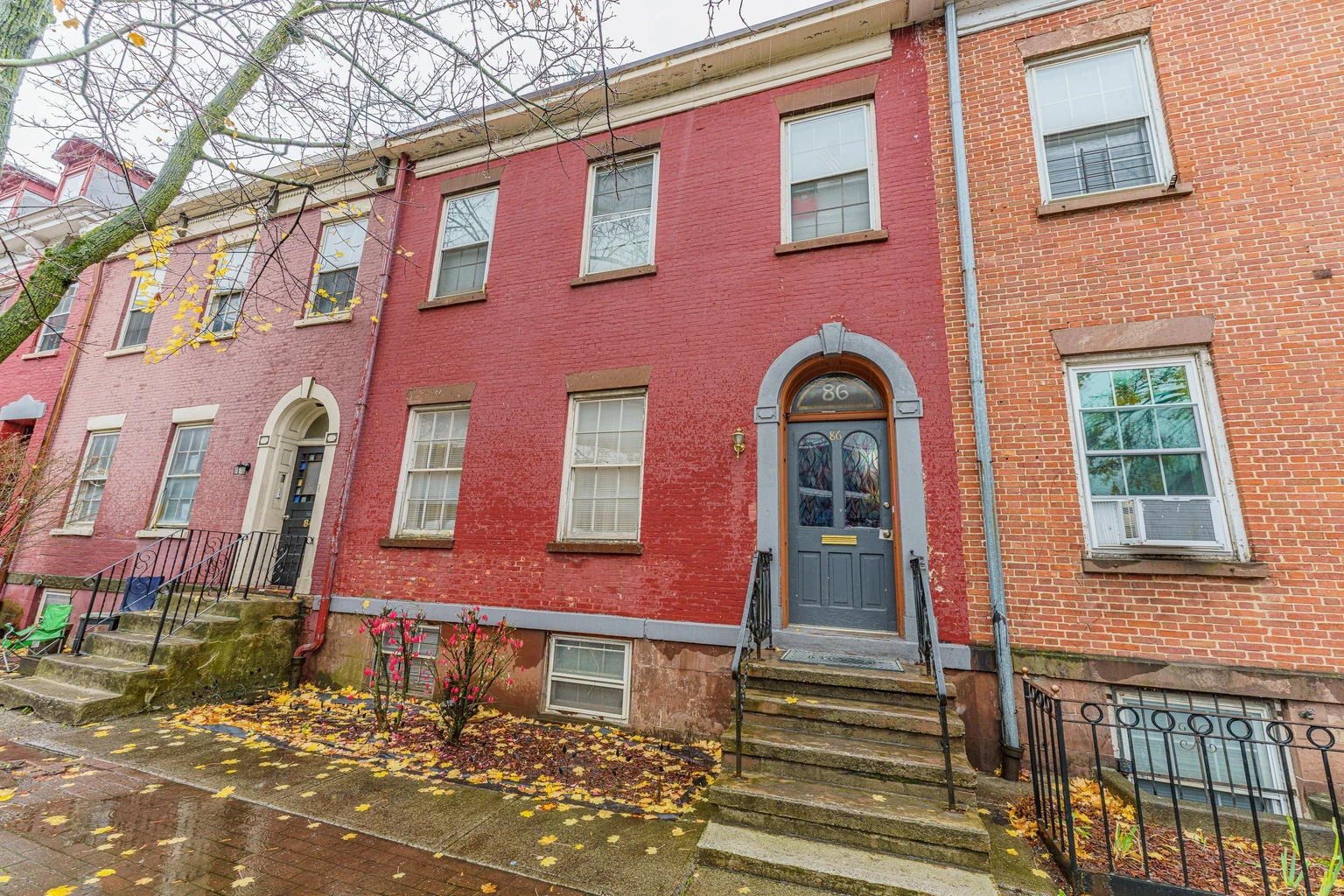
Recently Sold Investment Properties in Quad Cities, IA-IL
5 previously listed properties in Quad Cities.



About the Quad Cities Real Estate Investment Market
The Quad Cities is the bi-state Mississippi River metropolitan area spanning Davenport and Bettendorf in eastern Iowa with Rock Island, Moline, and East Moline in northwestern Illinois. As of March 2026 the metro median single-family sale price sat near $215,000, ranking among the most affordable Midwestern Metropolitan Statistical Areas of comparable size. U.S. News & World Report has consistently placed the Quad Cities among the most affordable places to live in the country, and the 2026 metro setup continues to deliver one of the most reliable cash-flow profiles in the Midwest investor landscape.
Demand drivers in the Quad Cities are anchored by an unusually durable industrial-and-defense employment base. Deere & Company's world headquarters in Moline anchors the corporate office workforce, the broader manufacturing supply chain serving John Deere agriculture and construction equipment supports thousands of additional jobs, and the Rock Island Arsenal, the largest government-owned arsenal in the United States, drives steady federal-civilian and military-contractor employment. Genesis Health System and UnityPoint Health-Trinity anchor the healthcare workforce on both sides of the river, and St. Ambrose University, Augustana College, Black Hawk College, and the Palmer College of Chiropractic together produce one of the larger higher-education employment bases for a metro of this size.
On the supply side, the Quad Cities metro is well-balanced. Active inventory across the five-city core typically sits in the 850-1,050 listing range, equating to roughly 3.4-4.0 months of supply, clearly balanced market territory. New construction is concentrated in the suburban Bettendorf / LeClaire corridor on the Iowa side and the Milan / Coal Valley submarkets on the Illinois side, with production builders delivering $275K-$425K product into the move-up family pool. Older urban single-family stock in Davenport, Rock Island, and East Moline frequently trades at sub-$140K acquisition costs and offers meaningful BRRRR and value-add opportunities.
For investors, the Quad Cities in 2026 is fundamentally a cash-flow market with credible appreciation upside layered on top. Single-family rental yields run 8.5-11.0% gross on properly underwritten acquisitions in the $115K-$185K band, the workforce-rental tenant pool anchored by John Deere, Rock Island Arsenal, and the regional healthcare network produces remarkably stable demand, and the bi-state structure of the metro produces real arbitrage opportunities, Illinois-side property taxes are materially higher than Iowa-side, but Illinois-side acquisition prices are correspondingly lower. Investors who understand the tax-and-incentive differential between the two states can structure portfolios that meaningfully outperform single-state Midwestern peers.
Key Market Statistics for Quad Cities
| Median Sale Price | Inventory Level | Avg Days on Market | YoY Price Change |
|---|---|---|---|
| $215,000 | 920 | 58 days | +4.7% |
Source: aggregated public real estate data, as of March 2026.
Year-Over-Year Market Comparison
The Quad Cities metro posted a 4.7% year-over-year median sale price increase to $215,000 through Q1 2026, building on the steady mid-single-digit appreciation that has characterized the metro since 2022. Active inventory in the five-city core held near 920 listings, equating to roughly 3.7 months of supply, balanced market territory. Days on market stretched to 58 days from 51 a year earlier as the market normalized, and sale-to-list ratios held near 97.4%. Closed sales rose 4.8% year-over-year through Q1, and pending sales jumped 8.1% in March 2026 specifically. The underlying demand drivers: John Deere, Rock Island Arsenal, regional healthcare, and the four-college higher-education base, remain structurally intact, and the metro's historical positioning as one of the most affordable U.S. metros continues to attract relocation interest from coastal and Sun Belt buyers.
Trending Neighborhoods in Quad Cities
- Bettendorf (IA): Forest Grove, Crow Creek
- Davenport (IA): McClellan Heights, Village of East Davenport
- LeClaire (IA)
- Moline (IL): Riverside, Velie Park
- Rock Island (IL): Highland Park, Broadway Historic District
- East Moline (IL), The Bend District
- Milan (IL)
- Pleasant Valley
- Geneseo (Henry County, IL)
- Eldridge (Scott County, IA)
In-Demand Property Types in Quad Cities
- Sub-$160K workforce single-family rentals in Davenport, Rock Island, and East Moline
- BRRRR-eligible value-add rehab properties in urban Davenport and Rock Island
- Single-family rentals near John Deere World Headquarters in Moline
- Workforce rentals supporting Rock Island Arsenal civilian and contractor employment
- New-construction $275K-$425K product in Bettendorf and LeClaire for owner-occupant resale
- Small-multifamily 2-8 unit properties in urban Davenport and Rock Island
Recent Market Shifts & Trends
The most consequential 2026 shifts in the Quad Cities metro are the continued John Deere capital-investment commitments to the Moline campus and surrounding manufacturing footprint, the steady Rock Island Arsenal workforce stability, and the ongoing redevelopment of riverfront and downtown corridors on both sides of the Mississippi. The East Moline "Bend District" redevelopment along the former International Harvester site, the ongoing investment in the Davenport riverfront, and the continued upgrade of Moline's John Deere Pavilion district have all reshaped urban demand in the metro's core. Bettendorf and LeClaire on the Iowa side continue to absorb the bulk of new-construction demand from move-up families, and small-multifamily product in urban Davenport and Rock Island has seen renewed institutional and private-fund acquisition interest after a 2023-2024 lull.
Expert Insights
“The Quad Cities metro continues to deliver one of the most reliable cash-flow profiles in the Midwest thanks to its diversified industrial-and-defense employer base: John Deere, Rock Island Arsenal, Genesis Health System, UnityPoint Trinity, and the four-college higher-education network. The bi-state structure of the metro produces real arbitrage opportunities for investors who understand the Iowa vs. Illinois tax-and-incentive differentials.”
“Deere & Company's capital-investment commitments to the Moline campus and the broader Quad Cities manufacturing footprint anchor one of the most stable corporate-headquarters and manufacturing-supply-chain employment bases of any metro this size. The downstream rental and for-sale demand has been remarkably consistent through multiple macro cycles.”
“For investors targeting cash flow, the urban submarkets of Davenport, Rock Island, and East Moline routinely deliver 8.5-11.0% gross yields on properly underwritten sub-$160K acquisitions. The Bend District redevelopment in East Moline and the ongoing investment in the Davenport riverfront have lifted the urban-core appreciation profile materially over the past five years.”
Key Takeaways
The Quad Cities in 2026 is fundamentally a cash-flow market with credible appreciation upside and one of the most underrated industrial-and-defense employment bases in the Midwest. Investors should focus on three buckets: sub-$160K workforce single-family rentals in urban Davenport, Rock Island, and East Moline for the highest gross yields, BRRRR-eligible value-add product in urban corridors for forced-appreciation upside, and new-construction $275K-$425K single-family product in Bettendorf and LeClaire for owner-occupant resale. The bi-state arbitrage between Iowa and Illinois: meaningful property-tax differentials, different landlord-tenant law frameworks, and different incentive programs, is one of the under-discussed advantages of the metro and rewards investors who structure portfolios deliberately across both sides of the river. Investors should expect 4-6% annual appreciation, 8.5-11.0% gross yields on properly underwritten cash-flow product, and a remarkably stable tenant pool anchored by John Deere, Rock Island Arsenal, and the regional healthcare network.
Frequently Asked Questions About Quad Cities Real Estate
Is Quad Cities, IA-IL a good market for fractional real estate investing?
The Quad Cities in 2026 is fundamentally a cash-flow market with credible appreciation upside and one of the most underrated industrial-and-defense employment bases in the Midwest. Investors should focus on three buckets: sub-$160K workforce single-family rentals in urban Davenport, Rock Island, and East Moline for the highest gross yields, BRRRR-eligible value-add product in urban corridors for forced-appreciation upside, and new-construction $275K-$425K single-family product in Bettendorf and LeClaire for owner-occupant resale. The bi-state arbitrage between Iowa and Illinois: meaningful property-tax differentials, different landlord-tenant law frameworks, and different incentive programs, is one of the under-discussed advantages of the metro and rewards investors who structure portfolios deliberately across both sides of the river. Investors should expect 4-6% annual appreciation, 8.5-11.0% gross yields on properly underwritten cash-flow product, and a remarkably stable tenant pool anchored by John Deere, Rock Island Arsenal, and the regional healthcare network.
What is the median sale price in Quad Cities, IA-IL?
The median sale price in Quad Cities, IA-IL is approximately $215,000 as of March 2026.
What are trending neighborhoods in Quad Cities, IA-IL?
Trending neighborhoods in Quad Cities, IA-IL include Bettendorf (IA): Forest Grove, Crow Creek, Davenport (IA): McClellan Heights, Village of East Davenport, LeClaire (IA), Moline (IL): Riverside, Velie Park, Rock Island (IL): Highland Park, Broadway Historic District, East Moline (IL), The Bend District.
What property types are in demand for investment properties in Quad Cities, IA-IL?
In-demand investment property types in Quad Cities, IA-IL include Sub-$160K workforce single-family rentals in Davenport, Rock Island, and East Moline, BRRRR-eligible value-add rehab properties in urban Davenport and Rock Island, Single-family rentals near John Deere World Headquarters in Moline, Workforce rentals supporting Rock Island Arsenal civilian and contractor employment.
Other Investment Property Markets Near Quad Cities
Explore fractional real estate investment properties in other U.S. markets on Lofty.
- Investment Properties in Acton, CA
- Investment Properties in Akron, OH
- Investment Properties in Albany, NY
- Investment Properties in Albuquerque, NM
- Investment Properties in Atlanta, GA
- Investment Properties in Atlantic City, NJ
- Investment Properties in Austin, TX
- Investment Properties in Avon Park, FL
- Investment Properties in Baltimore, MD
- Investment Properties in Berkeley, CA
- Investment Properties in Birmingham, AL
- Investment Properties in Black Creek, NY