'/%3e%3cpath%20d='M110.5%2074.84L61.56%20113.3V150.04H0V87.4L110.5%200V74.84Z'%20fill='url(%23paint1_linear_1102_1766)'/%3e%3cpath%20d='M159.44%20150.04L159.44%20205.81H159.2L110.5%20166.53L61.8001%20205.81H61.5601L61.56%20150.04L110.5%20110.57L159.44%20150.04Z'%20fill='url(%23paint2_linear_1102_1766)'/%3e%3cpath%20d='M110.5%20110.57V166.53L61.8001%20205.81H61.5601L61.56%20150.04L110.5%20110.57Z'%20fill='url(%23paint3_linear_1102_1766)'/%3e%3cpath%20d='M159.44%20206H61.5601L61.8001%20205.81L110.5%20166.53L159.2%20205.81L159.44%20206Z'%20fill='url(%23paint4_linear_1102_1766)'/%3e%3cdefs%3e%3clinearGradient%20id='paint0_linear_1102_1766'%20x1='166'%20y1='-19.908'%20x2='145.641'%20y2='227.731'%20gradientUnits='userSpaceOnUse'%3e%3cstop%20stop-color='%23B5AAFF'/%3e%3cstop%20offset='0.723958'%20stop-color='%238977FF'/%3e%3c/linearGradient%3e%3clinearGradient%20id='paint1_linear_1102_1766'%20x1='64'%20y1='15.7891'%20x2='172.309'%20y2='257.652'%20gradientUnits='userSpaceOnUse'%3e%3cstop%20stop-color='%239383FF'/%3e%3cstop%20offset='0.75'%20stop-color='%234D3FED'/%3e%3c/linearGradient%3e%3clinearGradient%20id='paint2_linear_1102_1766'%20x1='171.462'%20y1='36.6188'%20x2='8.598'%20y2='270.272'%20gradientUnits='userSpaceOnUse'%3e%3cstop%20offset='0.229167'%20stop-color='%23B5AAFF'/%3e%3cstop%20offset='0.994792'%20stop-color='%238977FF'/%3e%3c/linearGradient%3e%3clinearGradient%20id='paint3_linear_1102_1766'%20x1='55.7219'%20y1='-31.3876'%20x2='76.8187'%20y2='349.172'%20gradientUnits='userSpaceOnUse'%3e%3cstop%20offset='0.307292'%20stop-color='%239383FF'/%3e%3cstop%20offset='0.854167'%20stop-color='%234D3FED'/%3e%3c/linearGradient%3e%3clinearGradient%20id='paint4_linear_1102_1766'%20x1='110'%20y1='271'%20x2='76.5255'%20y2='202.314'%20gradientUnits='userSpaceOnUse'%3e%3cstop%20stop-color='%23B5AAFF'/%3e%3cstop%20offset='0.90625'%20stop-color='%238977FF'/%3e%3c/linearGradient%3e%3c/defs%3e%3c/svg%3e)
'/%3e%3cpath%20d='M110.5%2074.84L61.56%20113.3V150.04H0V87.4L110.5%200V74.84Z'%20fill='url(%23paint1_linear_1102_1752)'/%3e%3cpath%20d='M159.44%20150.04L159.44%20205.81H159.2L110.5%20166.53L61.8001%20205.81H61.5601L61.56%20150.04L110.5%20110.57L159.44%20150.04Z'%20fill='url(%23paint2_linear_1102_1752)'/%3e%3cpath%20d='M110.5%20110.57V166.53L61.8001%20205.81H61.5601L61.56%20150.04L110.5%20110.57Z'%20fill='url(%23paint3_linear_1102_1752)'/%3e%3cpath%20d='M159.44%20206H61.5601L61.8001%20205.81L110.5%20166.53L159.2%20205.81L159.44%20206Z'%20fill='url(%23paint4_linear_1102_1752)'/%3e%3cdefs%3e%3clinearGradient%20id='paint0_linear_1102_1752'%20x1='166'%20y1='-19.908'%20x2='145.641'%20y2='227.731'%20gradientUnits='userSpaceOnUse'%3e%3cstop%20stop-color='%23B5AAFF'/%3e%3cstop%20offset='0.723958'%20stop-color='%238977FF'/%3e%3c/linearGradient%3e%3clinearGradient%20id='paint1_linear_1102_1752'%20x1='64'%20y1='15.7891'%20x2='172.309'%20y2='257.652'%20gradientUnits='userSpaceOnUse'%3e%3cstop%20stop-color='%239383FF'/%3e%3cstop%20offset='0.75'%20stop-color='%234D3FED'/%3e%3c/linearGradient%3e%3clinearGradient%20id='paint2_linear_1102_1752'%20x1='171.462'%20y1='36.6188'%20x2='8.598'%20y2='270.272'%20gradientUnits='userSpaceOnUse'%3e%3cstop%20offset='0.229167'%20stop-color='%23B5AAFF'/%3e%3cstop%20offset='0.994792'%20stop-color='%238977FF'/%3e%3c/linearGradient%3e%3clinearGradient%20id='paint3_linear_1102_1752'%20x1='55.7219'%20y1='-31.3876'%20x2='76.8187'%20y2='349.172'%20gradientUnits='userSpaceOnUse'%3e%3cstop%20offset='0.307292'%20stop-color='%239383FF'/%3e%3cstop%20offset='0.854167'%20stop-color='%234D3FED'/%3e%3c/linearGradient%3e%3clinearGradient%20id='paint4_linear_1102_1752'%20x1='110'%20y1='271'%20x2='76.5255'%20y2='202.314'%20gradientUnits='userSpaceOnUse'%3e%3cstop%20stop-color='%23B5AAFF'/%3e%3cstop%20offset='0.90625'%20stop-color='%238977FF'/%3e%3c/linearGradient%3e%3c/defs%3e%3c/svg%3e)
Investment Properties in Denver, CO
2 fractional real estate investment properties available now in Denver.
Available investment properties in Denver, CO
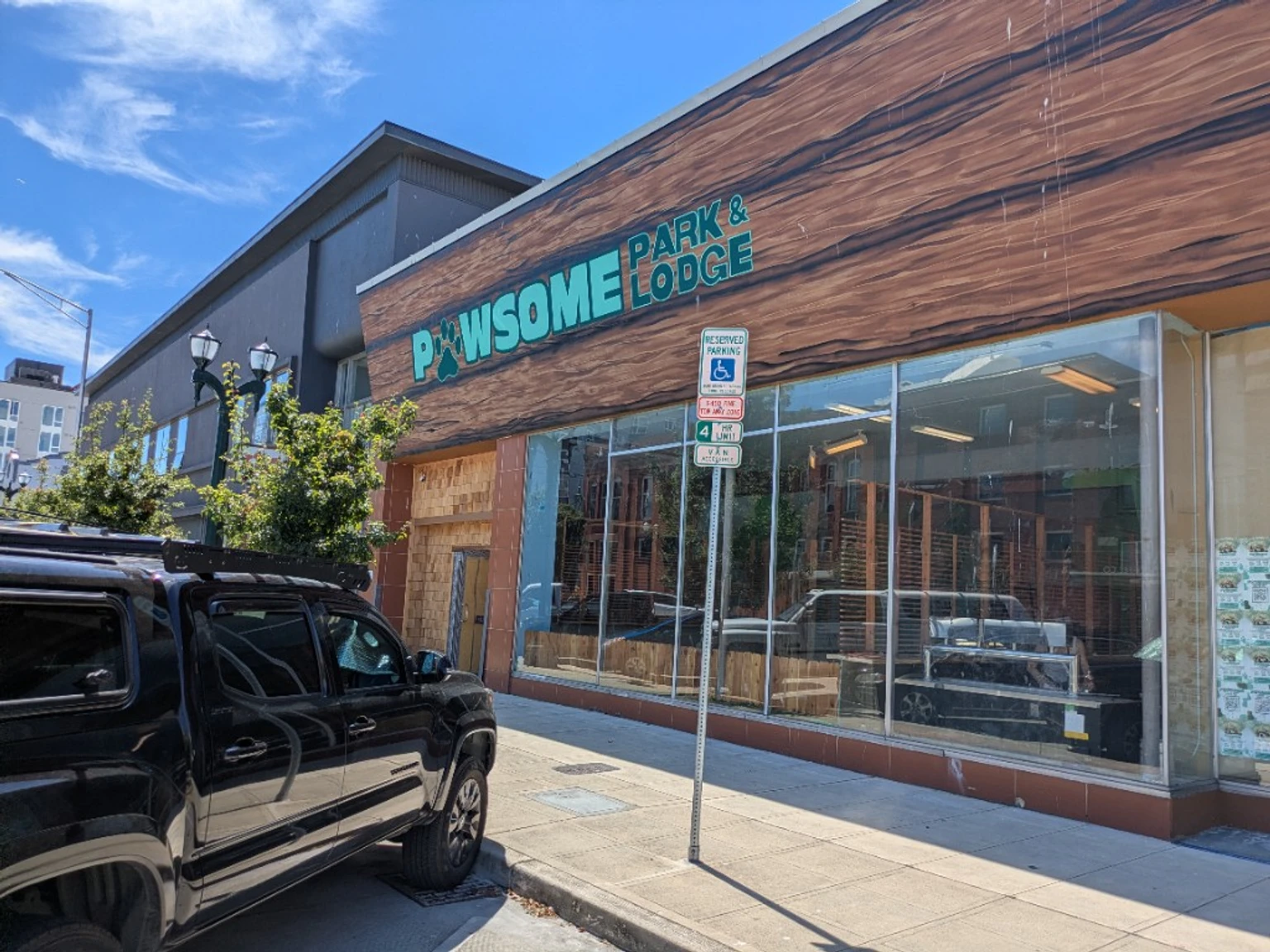
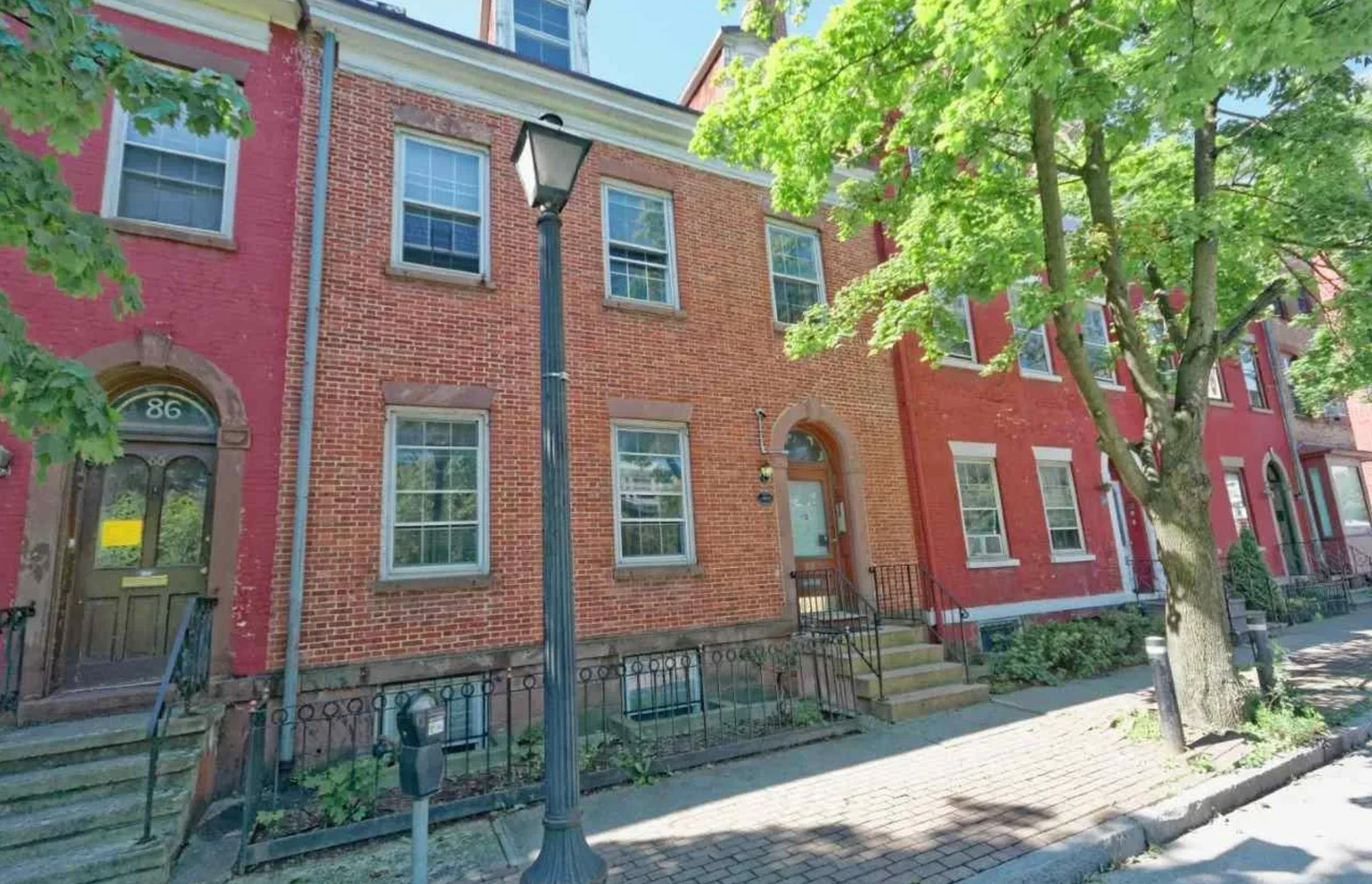
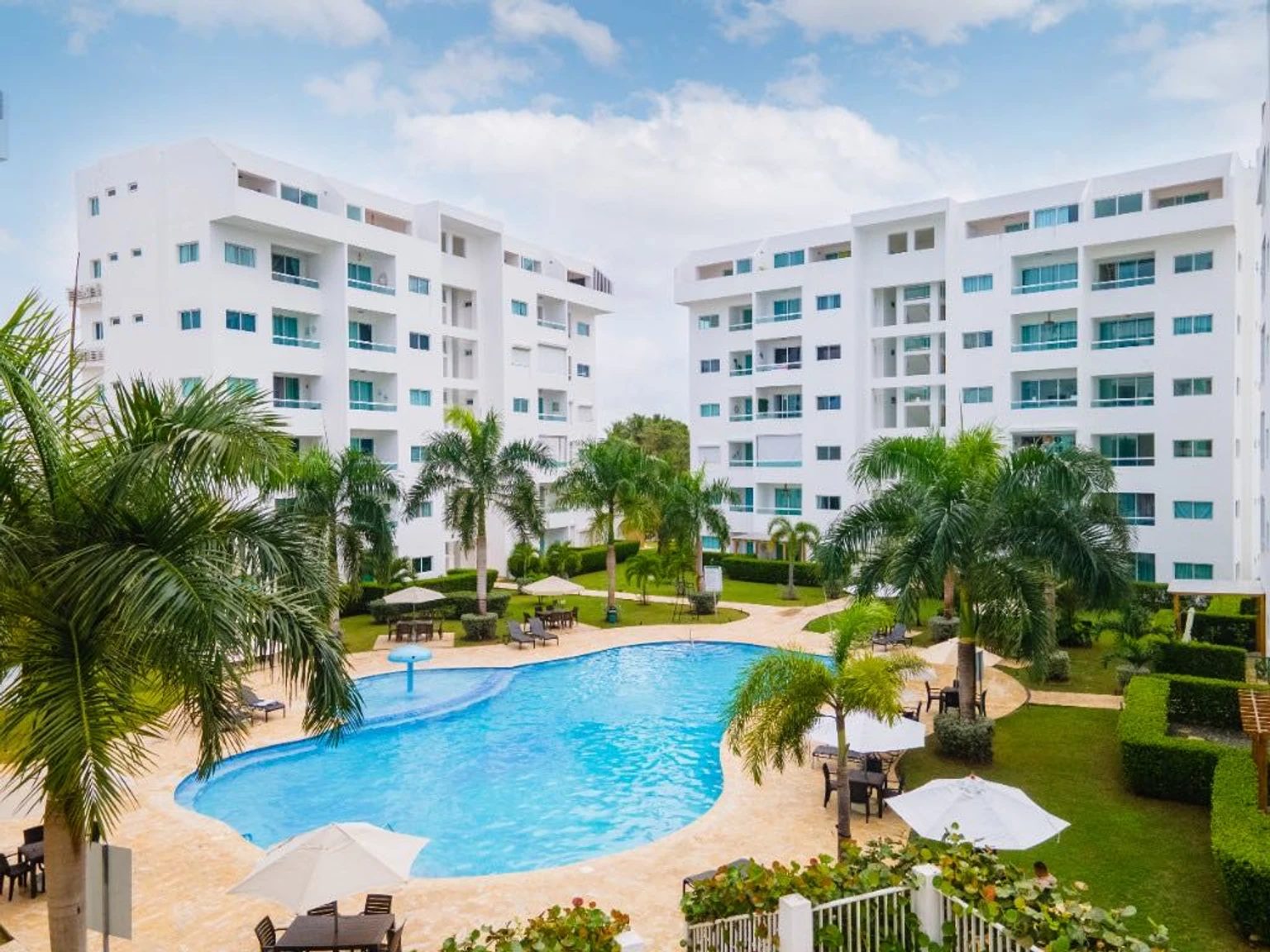
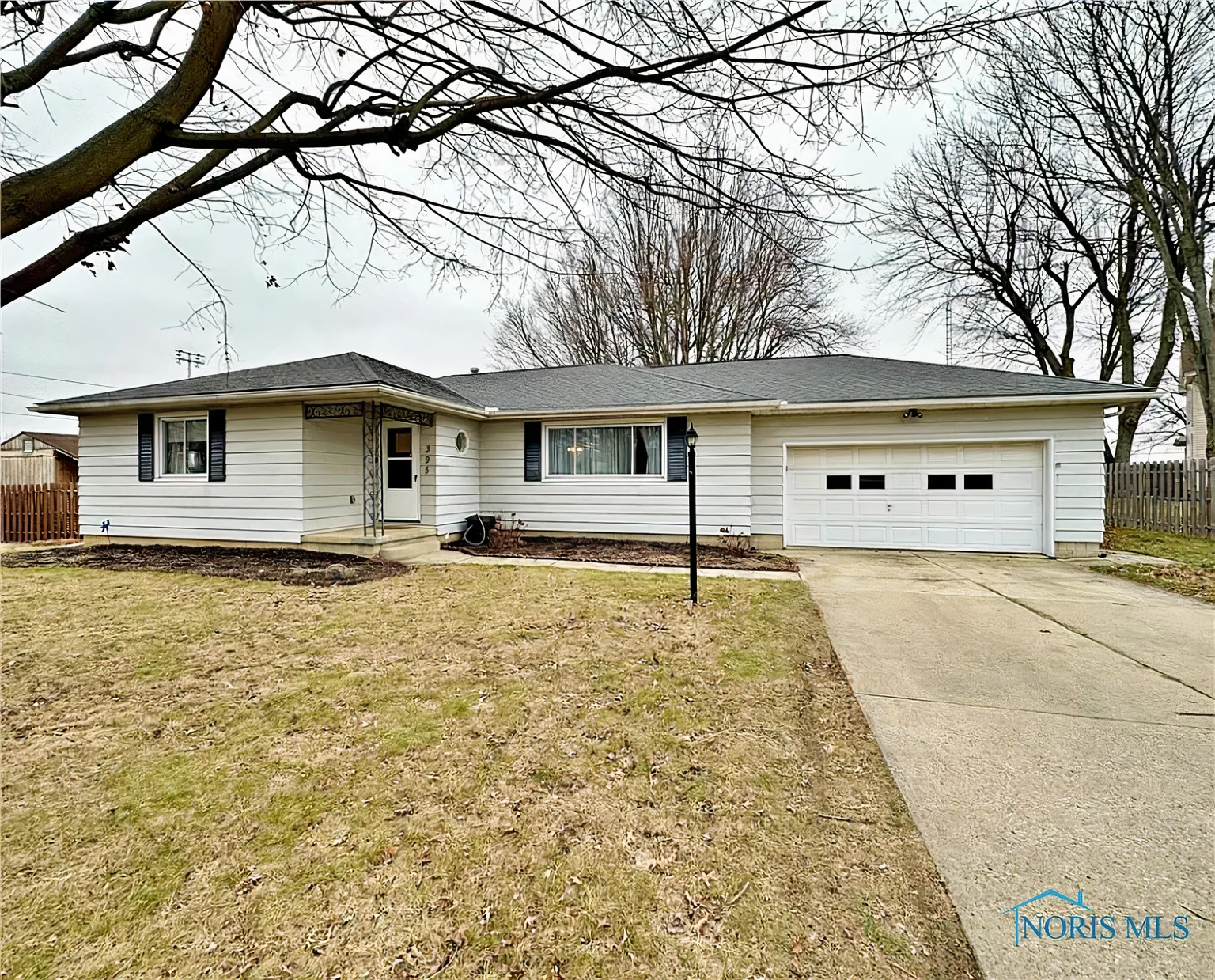
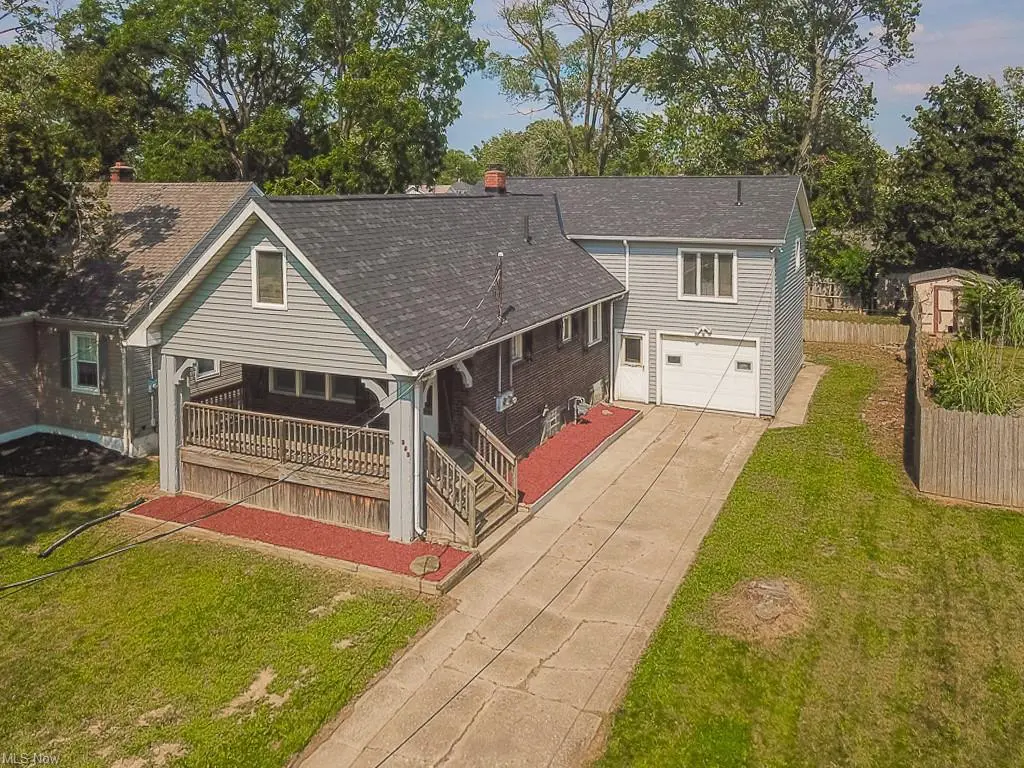
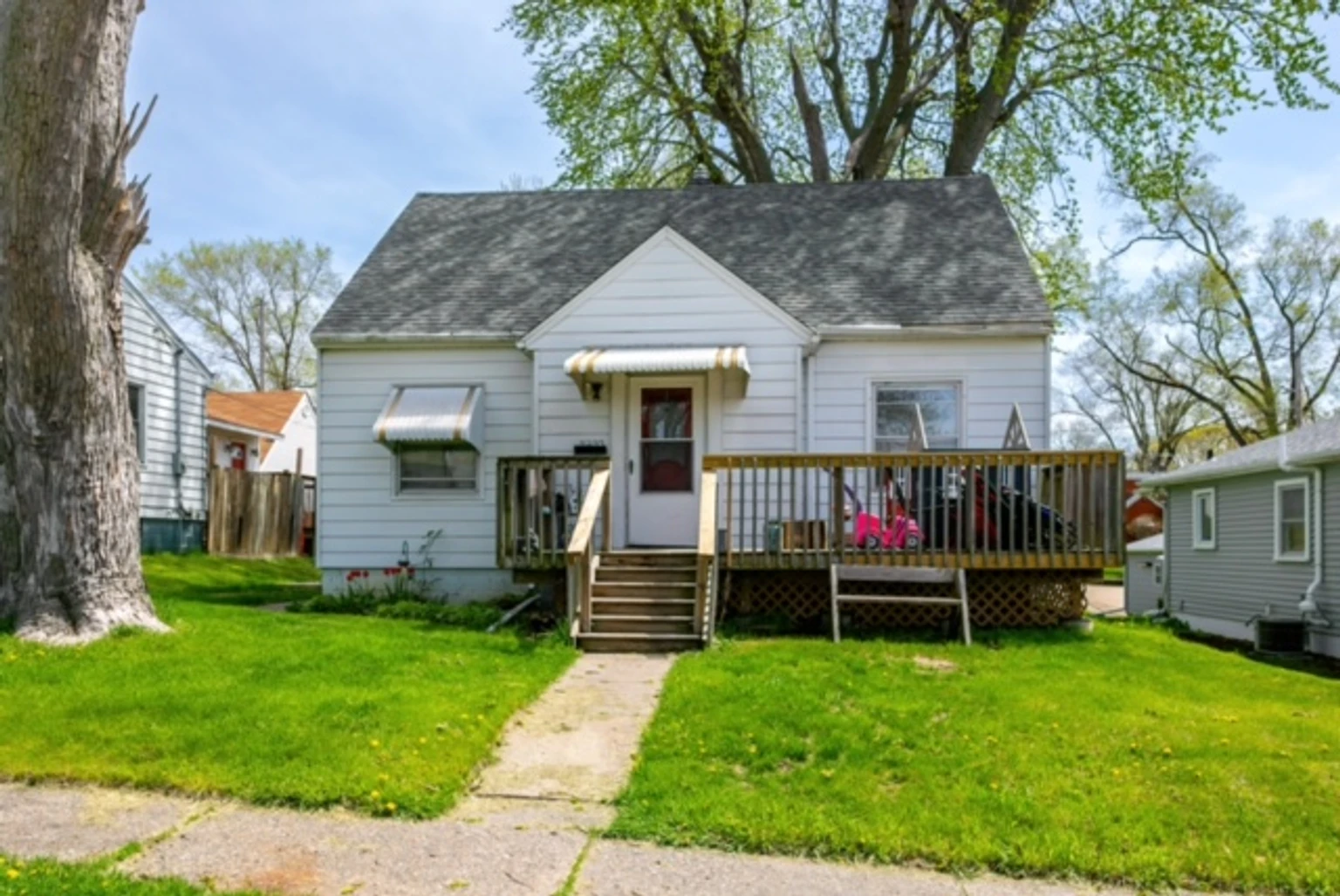
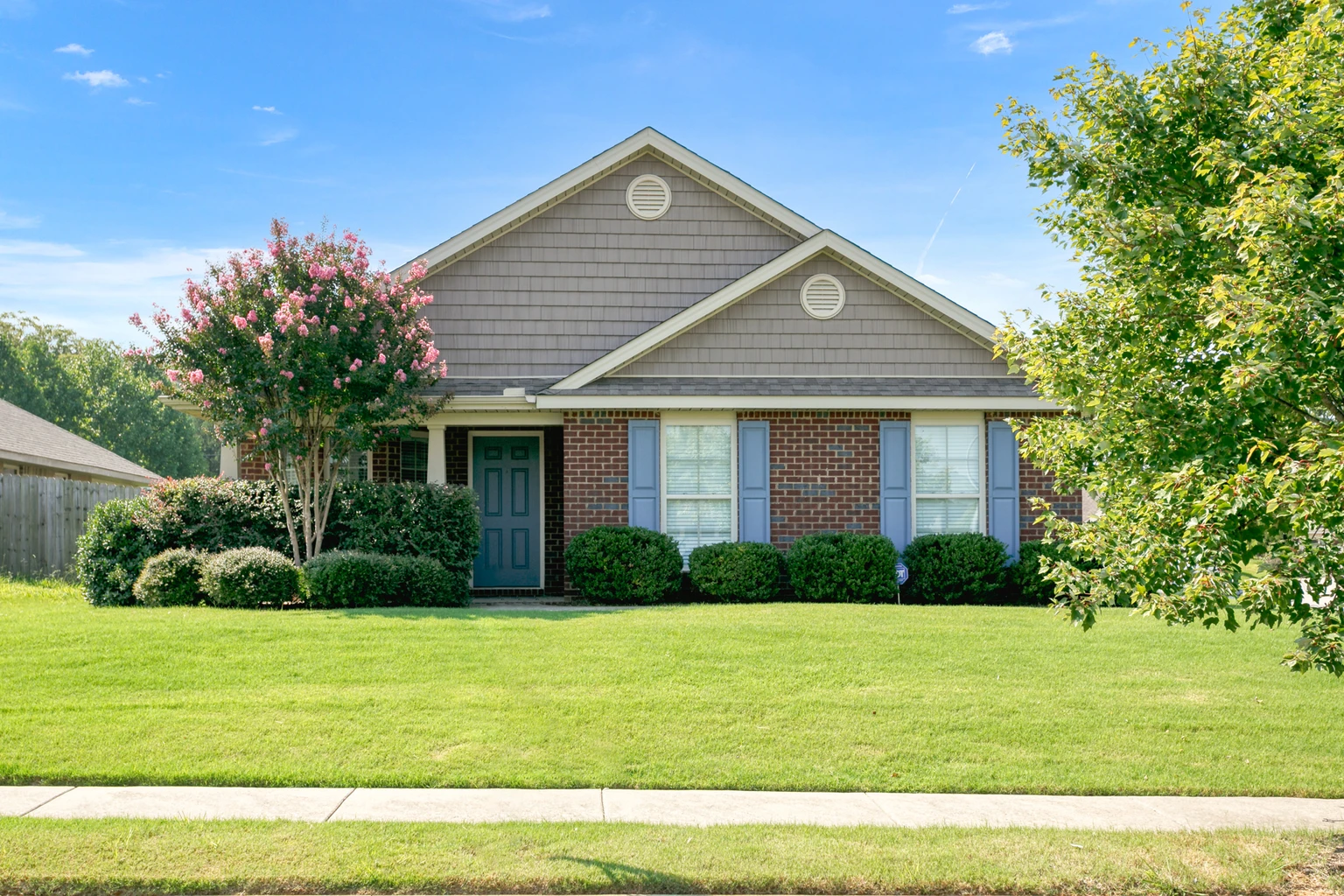
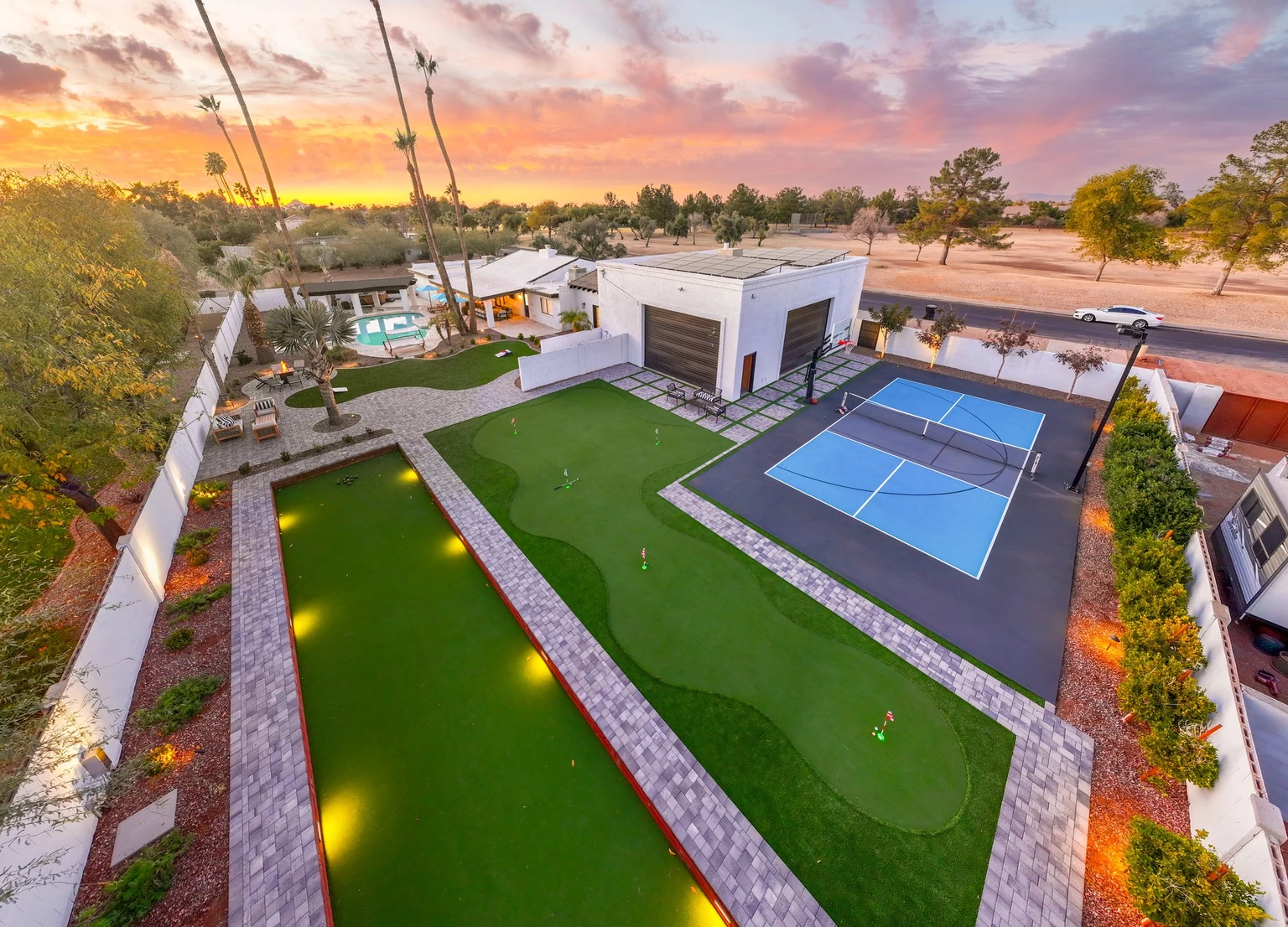
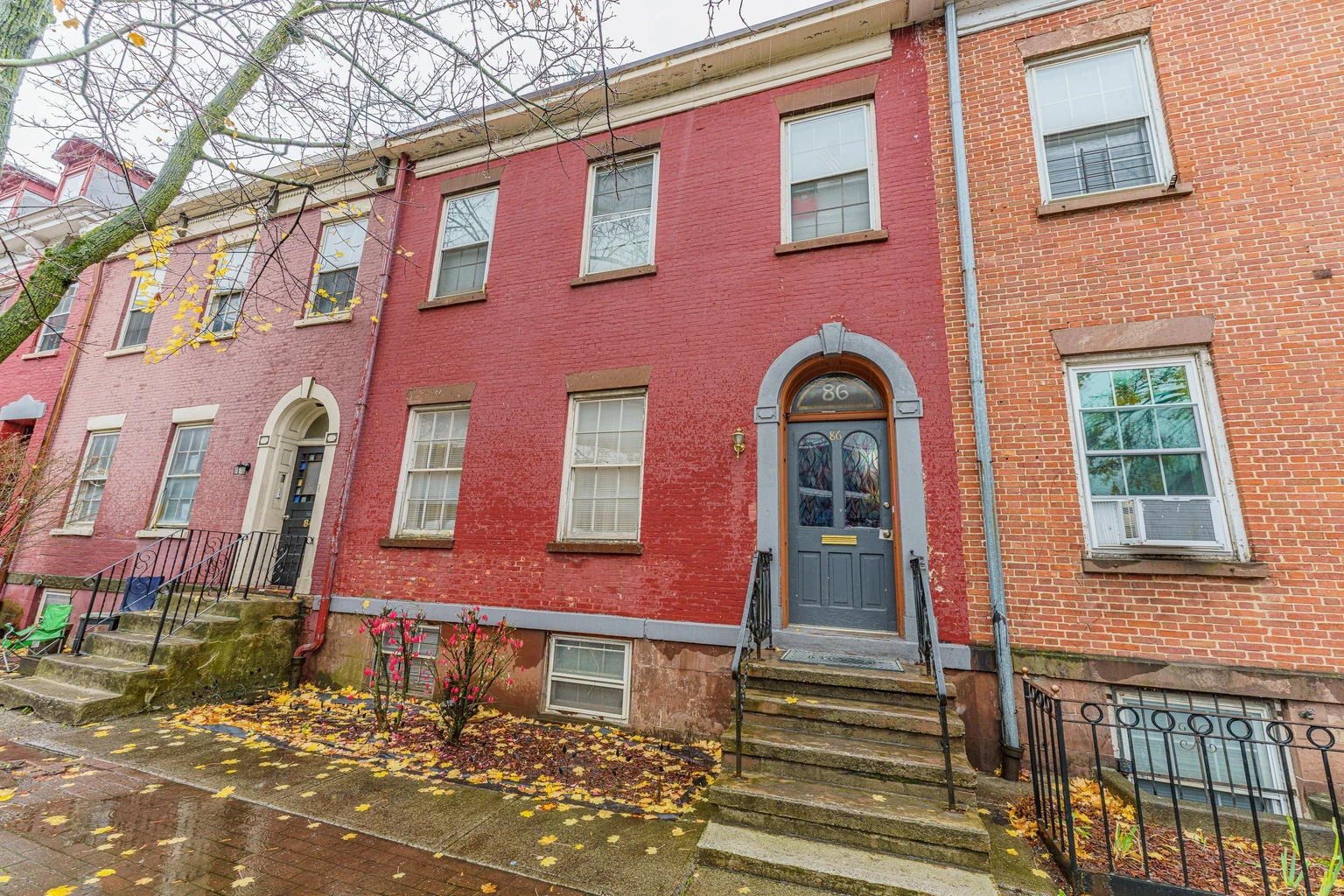
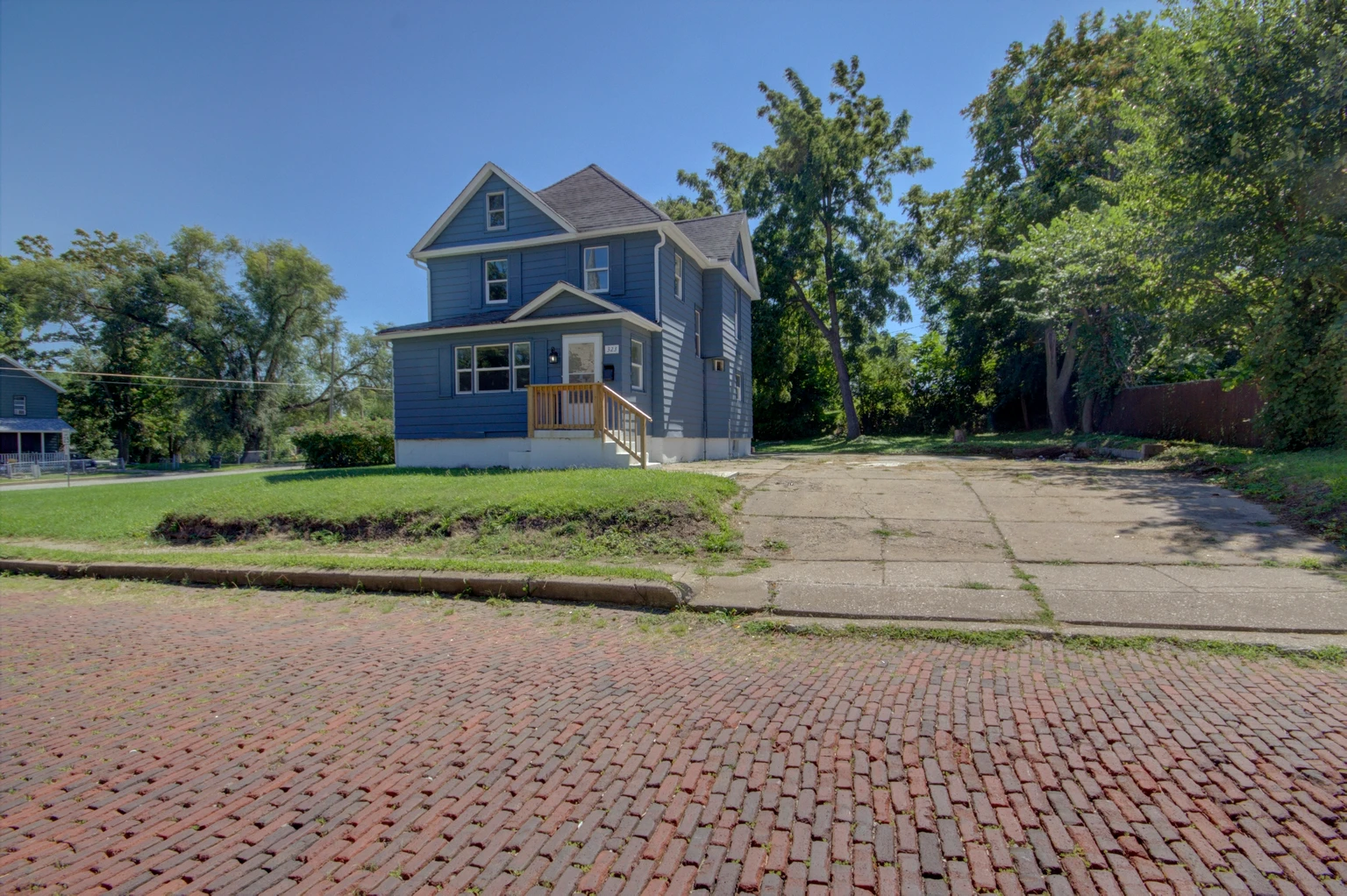
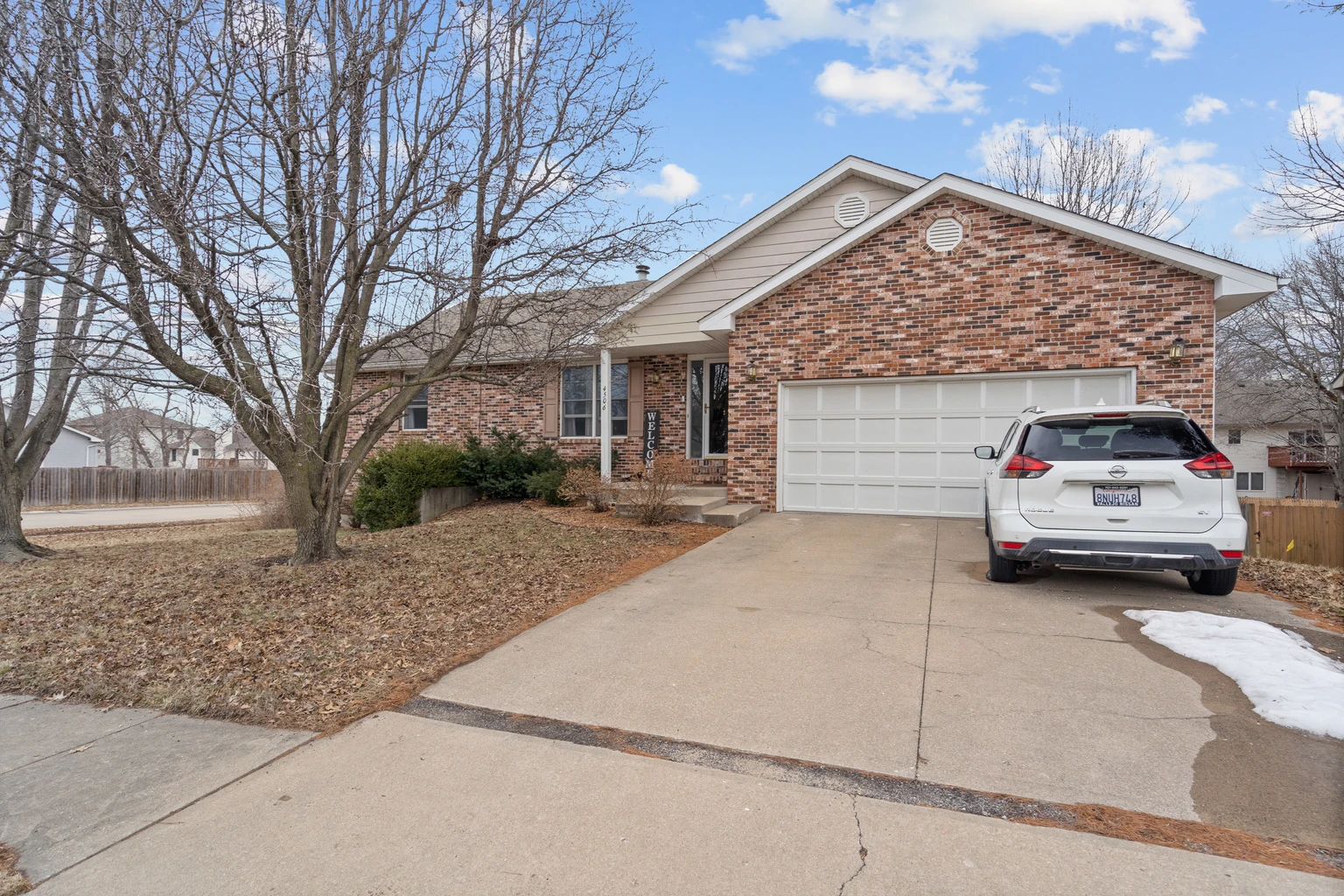
Recently Sold Investment Properties in Denver, CO
1 previously listed property in Denver.

About the Denver Real Estate Investment Market
The Denver real estate market in 2026 is best described as a market in balance rather than a market in motion. After several years of double-digit appreciation followed by a meaningful cooldown, Denver is now grinding sideways within a narrow $580,000 to $615,000 median sale-price band that has held steady since spring 2025. Active inventory has climbed back to levels the metro has not seen in over a decade, giving buyers genuine optionality for the first time since the pandemic frenzy. At the same time, well-priced homes in the most desirable Denver neighborhoods continue to sell in roughly two weeks, so the slowdown is more a story of normalization and price discipline than of broad weakness.
A defining feature of the Denver 2026 market is how heavily sellers are leaning on concessions to keep deals moving. Roughly two-thirds of Denver-metro sellers are now offering rate buydowns, closing cost credits, or other incentives instead of cutting list prices outright, which keeps headline median prices artificially flat while real transaction economics shift in favor of buyers. The Denver Metro Association of Realtors describes the current environment as one defined by stabilization, with affordability, ownership costs, and mortgage rates near 6.3% all reshaping how buyers and sellers approach the table.
Beneath the calm surface, Denver is splitting into clear winners and losers by neighborhood. Walkable, transit-adjacent pockets like the Highlands, RiNo, and Five Points are still attracting strong owner-occupant and investor demand, while outlying single-family submarkets and older condo product are seeing the longest days on market and the deepest price cuts. Denver's multifamily picture mirrors that bifurcation: rents finally stabilized at roughly $1,758 per month in Q1 2026 after a multi-year correction driven by record new supply, and forecasters expect rent growth to drift back into modestly positive territory in 2026 as the construction pipeline drops well below the long-term average.
For investors, Denver in 2026 looks less like a momentum trade and more like a yield and execution trade. With rapid appreciation off the table for now, returns will be driven by buying right, leveraging concessions, picking the right submarket, and holding through the next rate-cut cycle. Population growth, the Front Range job base, and a structurally undersupplied for-sale market relative to pre-pandemic norms continue to underpin the long-term Denver thesis even as short-term dynamics demand more patience and selectivity than they did three years ago.
Key Market Statistics for Denver
| Median Sale Price | Inventory Level | Avg Days on Market | YoY Price Change |
|---|---|---|---|
| $605,000 | 11,539 | 14 days | +0.2% |
Source: aggregated public real estate data, as of April 2026.
Year-Over-Year Market Comparison
Year-over-year, the Denver metro is essentially flat on price and meaningfully cooler on velocity. The April 2026 median sale price of $605,000 is within $1,000 of both April 2025 ($604,000) and April 2024 ($602,000), an unusually tight three-year range for a market this size. Active inventory is down about 3.6% from a year ago after peaking in late 2025, while new listings rose 10.5% across full-year 2025 and active listings climbed nearly 22% over the same period. Days on market expanded notably as 2025 progressed, with November 2025 median days-on-MLS reaching 70 (up roughly 25% year-over-year), before the spring 2026 selling season pulled velocity back toward the mid-teens for well-priced product. Roughly 53.7% of active Denver listings carried price reductions in November 2025, and 63.14% of sellers offered concessions in March 2026, the clearest signal that the headline price stability is being engineered through deal structure rather than reflecting underlying demand strength.
The Denver rental market followed a similar pattern. Year-over-year rent declines reached 4.1% through November 2025, the second-weakest performance among major U.S. metros, before stabilizing at $1,758 per month in Q1 2026. Vacancy in stabilized buildings tightened to 4.8% by March 2026 (down 60 basis points year-over-year) as the wave of 2023 to 2025 multifamily deliveries finally worked through the system. With 2026 completions projected at fewer than 5,000 units versus a 10-year average above 10,000, the supply overhang that defined 2024 and 2025 is now decisively unwinding.
Trending Neighborhoods in Denver
- LoDo (Lower Downtown)
- RiNo (River North Art District)
- Five Points
- Highlands
- West Colfax
- Sloan's Lake
- Berkeley
- Chaffee Park
- Sunnyside
- Elyria-Swansea & Globeville
- Sun Valley
- Aurora (Nine Mile Station area)
In-Demand Property Types in Denver
- Single-family rentals in inner-ring suburbs (Arvada, Littleton, Thornton)
- Small multifamily (duplex, triplex, fourplex) for house-hacking
- Single-family homes with ADUs or finished basement units
- Renovated bungalows in walkable Denver neighborhoods
Recent Market Shifts & Trends
The biggest shift in the Denver market over the last twelve months has been the move from headline price cuts to seller concessions. Median list prices have barely budged, but the share of Denver sellers offering rate buydowns, closing-cost credits, and inspection allowances now sits in the low-60% range, masking the true magnitude of the pivot toward buyers. Inventory peaked in the fall of 2025 at multi-year highs and has since drifted lower as fatigued sellers pulled listings, but months of supply remain well above the sub-2.0 readings that defined 2021 and 2022. Mortgage rates settling into the low- to mid-6% range have pulled some previously rate-locked move-up buyers back into the Denver market, and forecasters at DMAR, Norada, and Bergan & Co. all describe 2026 as a transition year: supply pressure on multifamily is finally easing, the for-sale market is normalizing rather than correcting further, and modest 1% to 4% appreciation looks more likely than another leg down.
Expert Insights
“Denver in 2026 is best described as a strong, consistent hum rather than a market that is booming or slowing. The frenzied bidding wars of 2021 have given way to more considered buyer decisions, with median prices off just 1% year-over-year and homes selling in roughly 18 days. Increased inventory and a mid-6% rate environment mean buyers finally have leverage and time, but well-priced homes in core Denver neighborhoods still move quickly.”
“The Denver metro market is showing stabilization across affordability, ownership costs, and mortgage rates, with buyers gaining leverage as sellers reset expectations. Active inventory rose nearly 22% over 2025, days in the MLS expanded by a median of six days for both attached and detached homes, and more than half of active listings carried price reductions heading into year-end, but the absence of a price collapse signals a healthy, functioning Denver market rather than a distressed one.”
“Denver multifamily is transitioning from supply-driven headwinds to stabilization. After 16,970 units delivered through November 2025, 2026 completions are projected at just 4,978 units, well below the 10-year average, and the under-construction pipeline sits roughly 40% below long-term norms. We expect demand to outpace deliveries starting in early 2026, pushing Denver effective rent growth back into modestly positive territory by year-end.”
Key Takeaways
For investors, the Denver opportunity in 2026 is about disciplined entry rather than chasing momentum. With prices essentially flat for three straight years, the alpha is in negotiating concessions, targeting submarkets where rent growth is inflecting (West Denver, the Highlands, RiNo, and infill suburbs like Arvada and Thornton), and underwriting to in-place yield rather than near-term appreciation. House-hacking duplexes, single-family rentals with ADU upside, and value-add bungalows in walkable Denver neighborhoods remain the cleanest paths to cash flow. The combination of tightening multifamily fundamentals, a 40%-below-trend construction pipeline, and a structurally undersupplied for-sale market suggests Denver investors who acquire in 2026 should be well-positioned for the next leg of appreciation when mortgage rates ease and demand re-accelerates.
Frequently Asked Questions About Denver Real Estate
Is Denver, CO a good market for fractional real estate investing?
For investors, the Denver opportunity in 2026 is about disciplined entry rather than chasing momentum. With prices essentially flat for three straight years, the alpha is in negotiating concessions, targeting submarkets where rent growth is inflecting (West Denver, the Highlands, RiNo, and infill suburbs like Arvada and Thornton), and underwriting to in-place yield rather than near-term appreciation. House-hacking duplexes, single-family rentals with ADU upside, and value-add bungalows in walkable Denver neighborhoods remain the cleanest paths to cash flow. The combination of tightening multifamily fundamentals, a 40%-below-trend construction pipeline, and a structurally undersupplied for-sale market suggests Denver investors who acquire in 2026 should be well-positioned for the next leg of appreciation when mortgage rates ease and demand re-accelerates.
What is the median sale price in Denver, CO?
The median sale price in Denver, CO is approximately $605,000 as of April 2026.
What are trending neighborhoods in Denver, CO?
Trending neighborhoods in Denver, CO include LoDo (Lower Downtown), RiNo (River North Art District), Five Points, Highlands, West Colfax, Sloan's Lake.
What property types are in demand for investment properties in Denver, CO?
In-demand investment property types in Denver, CO include Single-family rentals in inner-ring suburbs (Arvada, Littleton, Thornton), Small multifamily (duplex, triplex, fourplex) for house-hacking, Single-family homes with ADUs or finished basement units, Renovated bungalows in walkable Denver neighborhoods.
Data Sources
- Denver Metro Association of Realtors (DMAR) Market Trends Report
- REcolorado Housing Market Reports
- The Denver Post, Metro Denver Housing Coverage
- Corcoran Perry & Co. Denver Market Update
- Zillow, Denver Home Values
- Redfin 2026 Housing Market Predictions
- HousingWire, Denver Housing Market
- Norada Real Estate, Denver Market Outlook
- MMG Real Estate Advisors, 2026 Denver Forecast
- Yardi Matrix Denver Multifamily Report
- Bergan & Co. Denver Rental Market Report
- Ark7, Best Investment Neighborhoods in Denver
Other Investment Property Markets Near Denver
Explore fractional real estate investment properties in other U.S. markets on Lofty.
- Investment Properties in Black Hawk, CO
- Investment Properties in Acton, CA
- Investment Properties in Akron, OH
- Investment Properties in Albany, NY
- Investment Properties in Albuquerque, NM
- Investment Properties in Atlanta, GA
- Investment Properties in Atlantic City, NJ
- Investment Properties in Austin, TX
- Investment Properties in Avon Park, FL
- Investment Properties in Baltimore, MD
- Investment Properties in Berkeley, CA
- Investment Properties in Birmingham, AL