

Investment Properties in Akron, OH
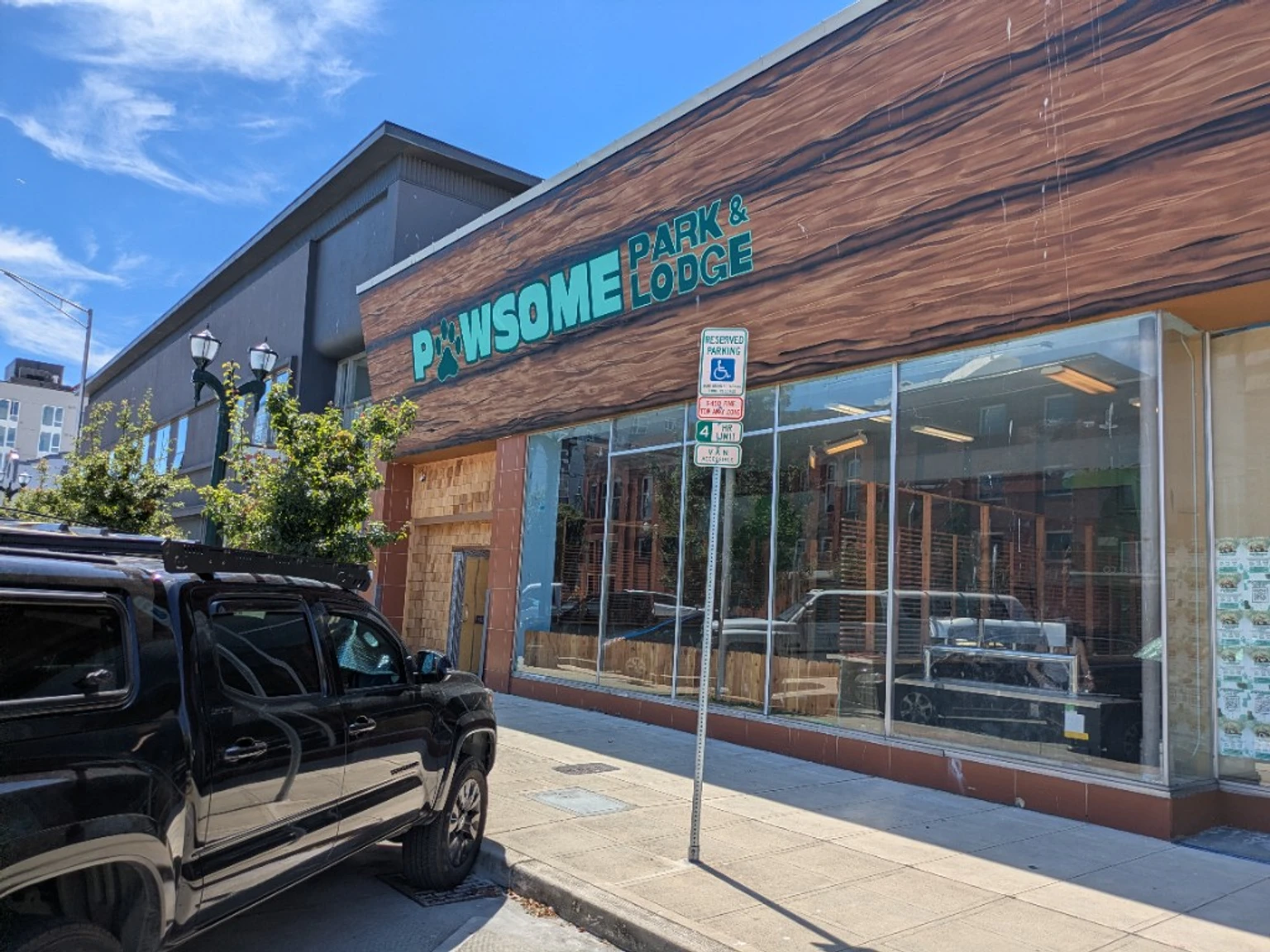
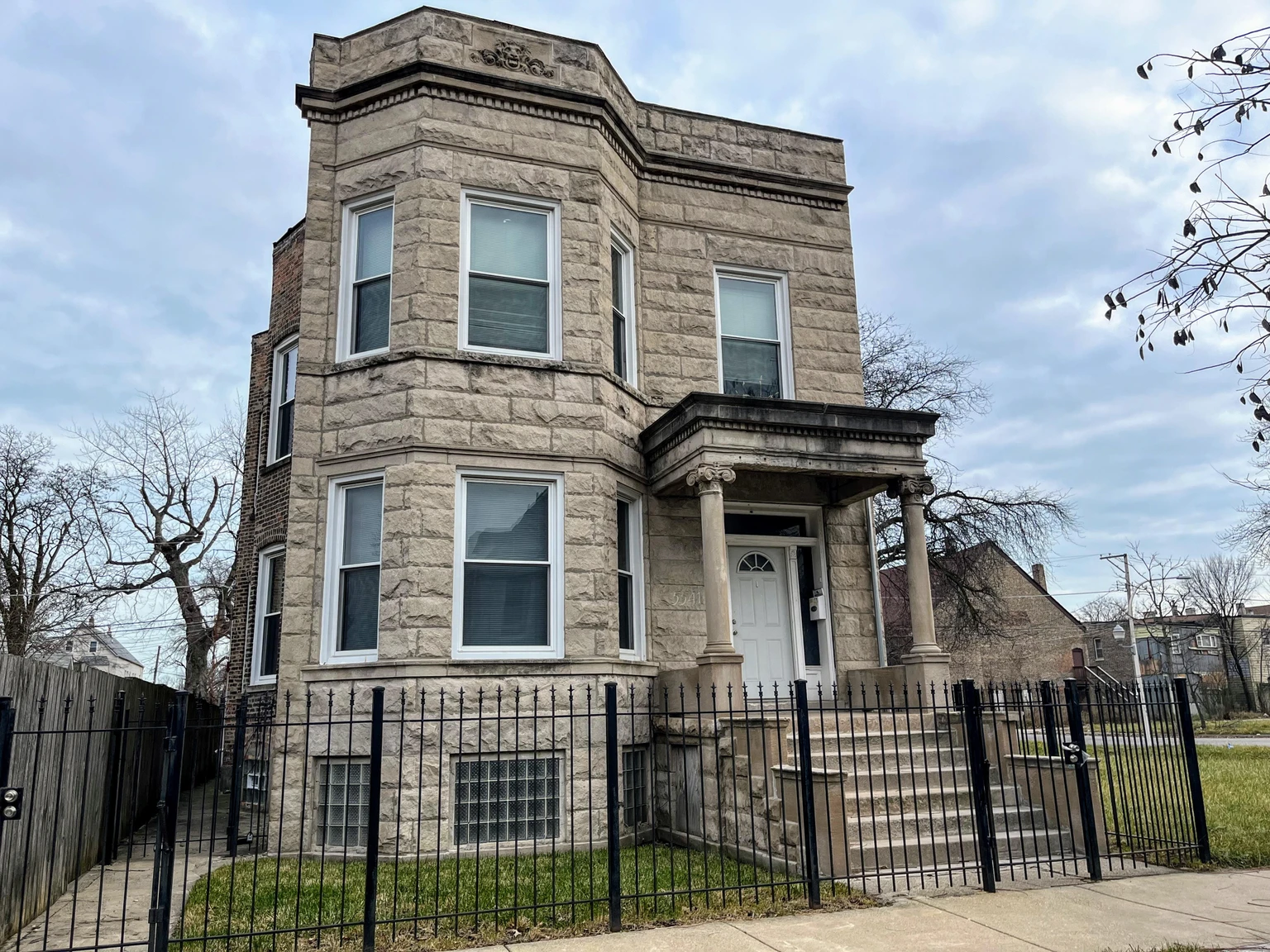
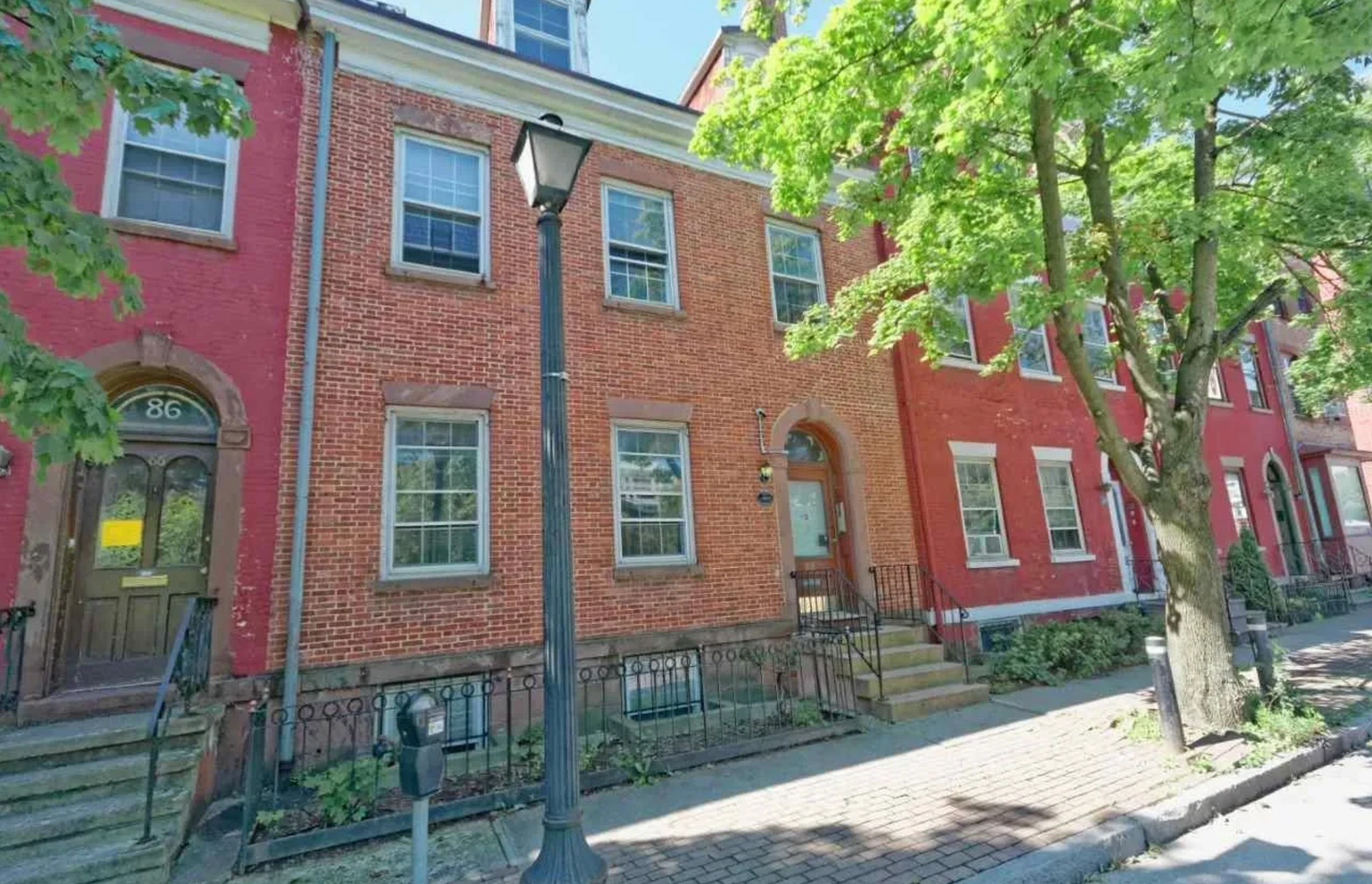
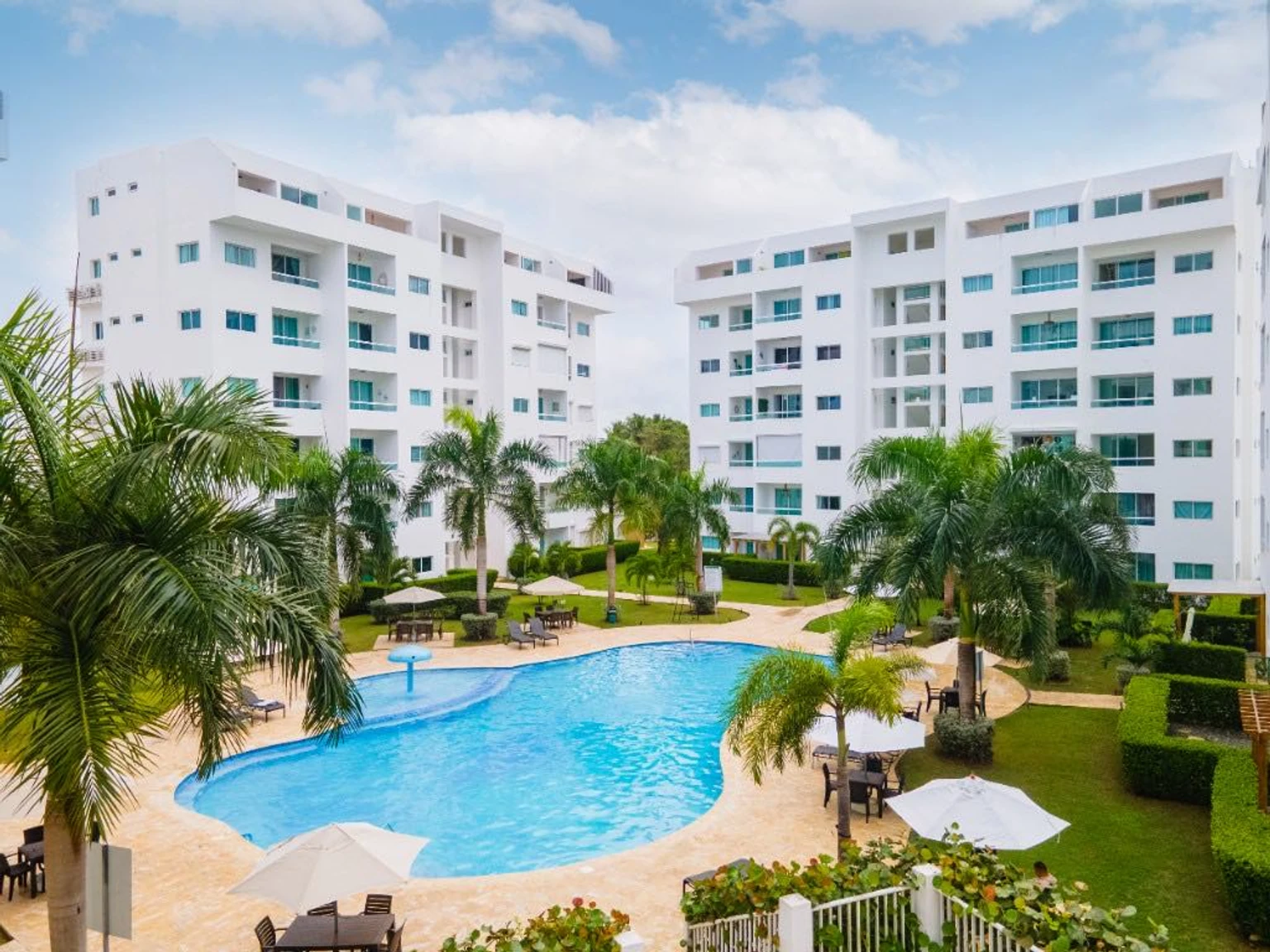
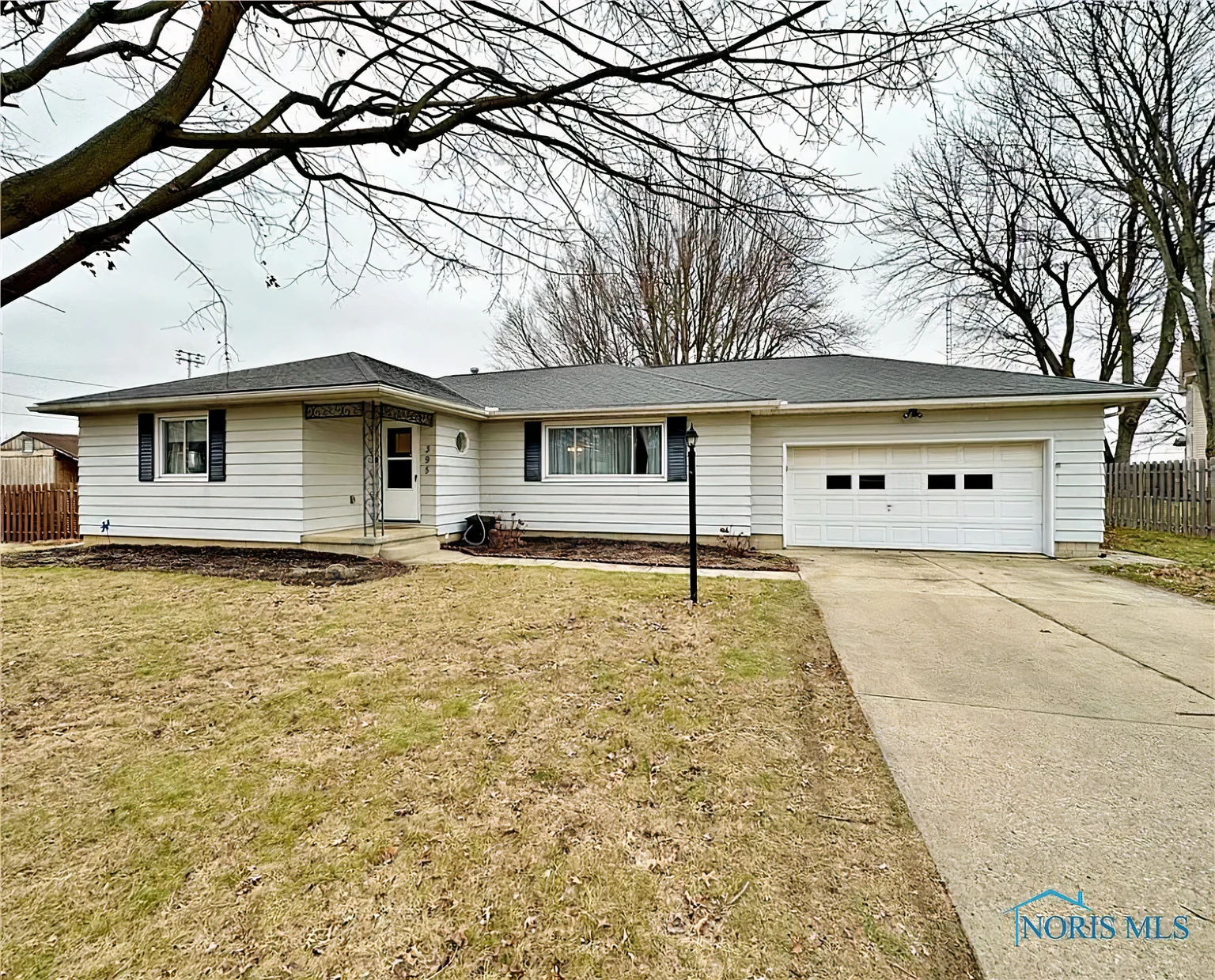
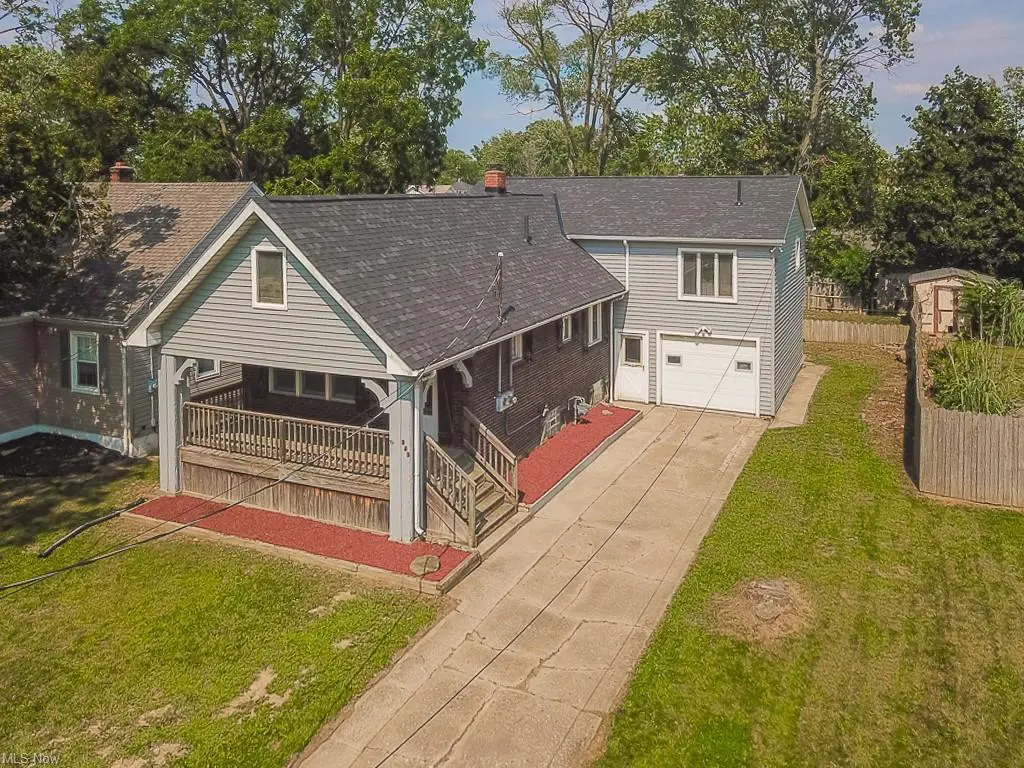
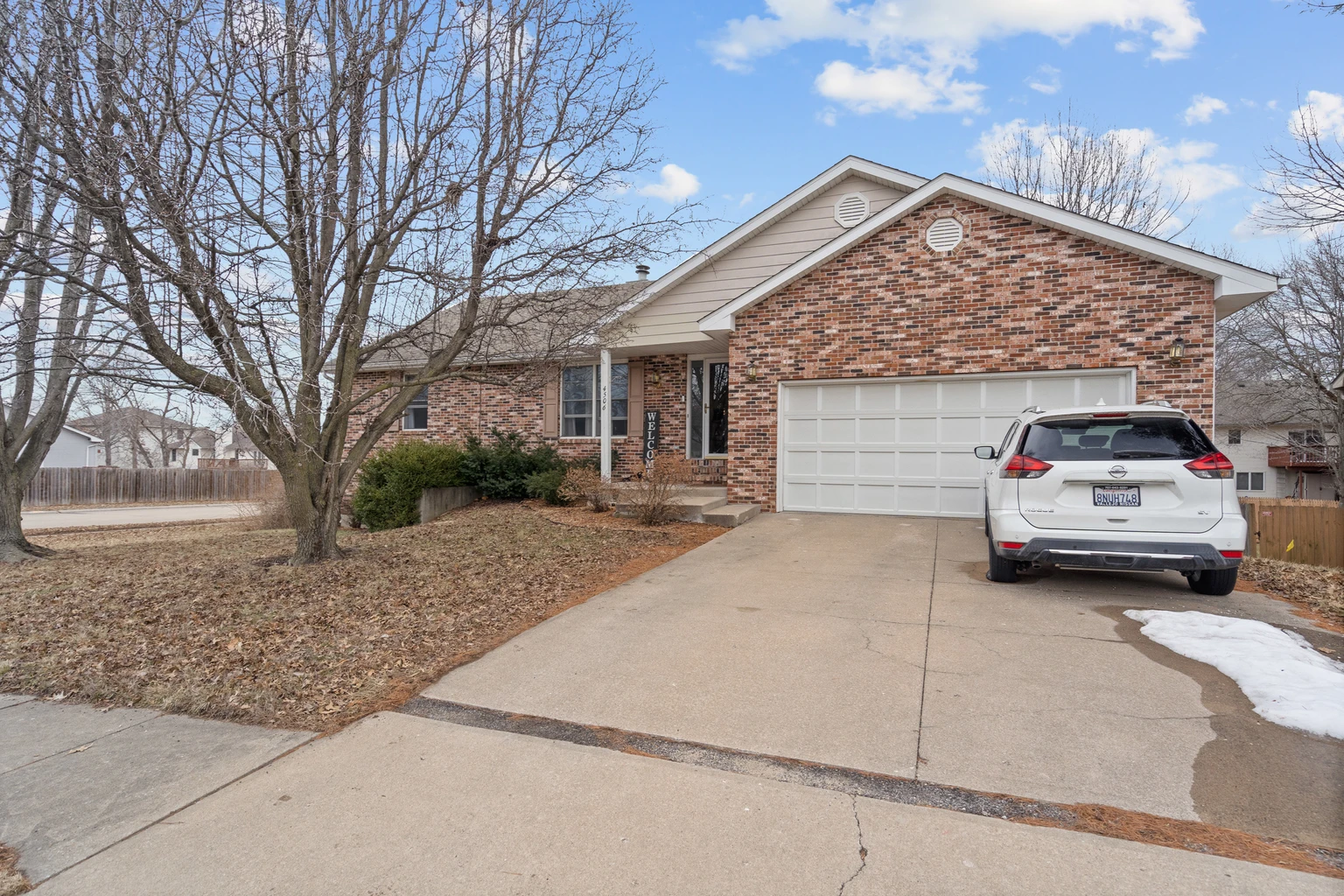
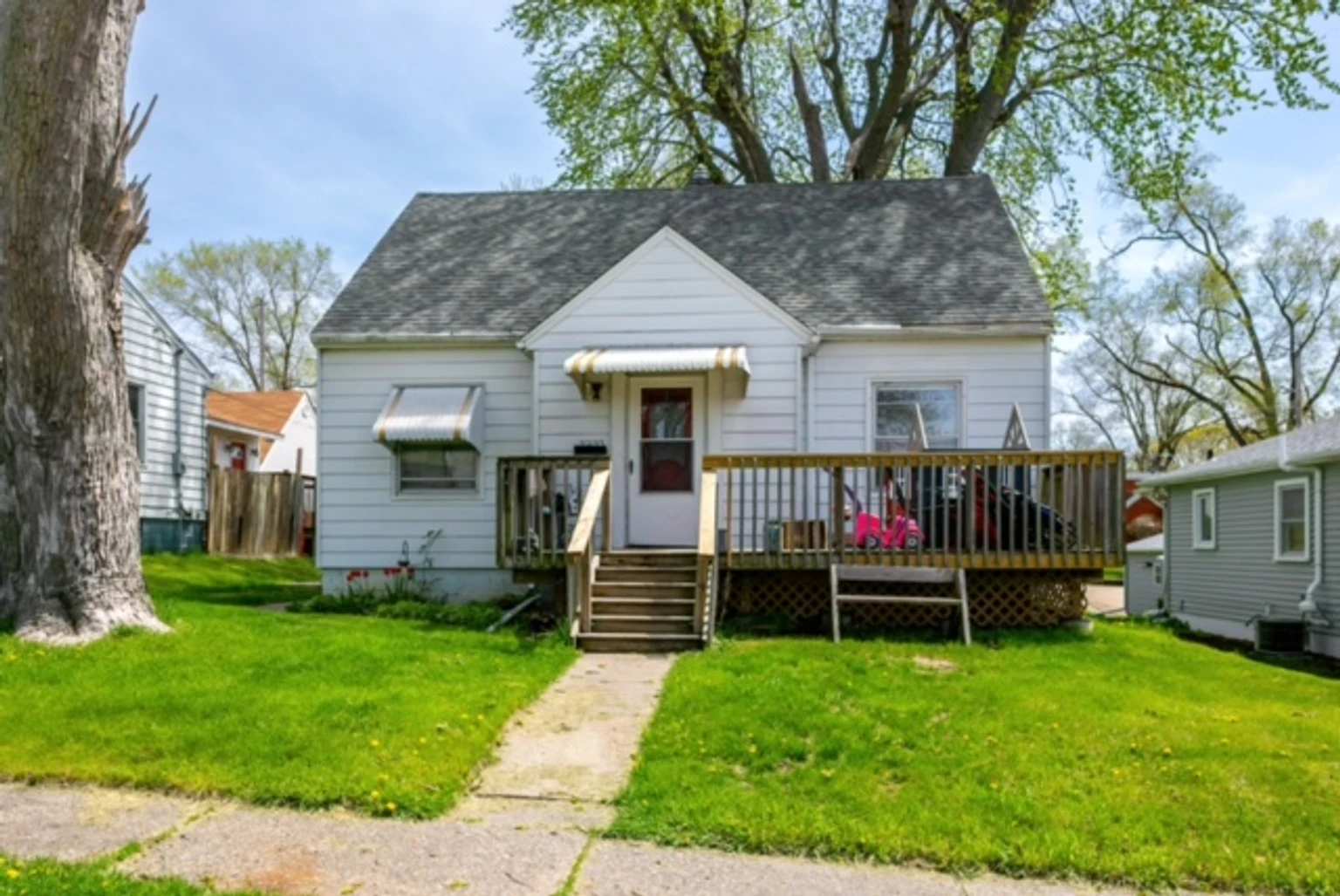
4 fractional real estate investment properties available now in Akron.
Available investment properties in Akron, OH
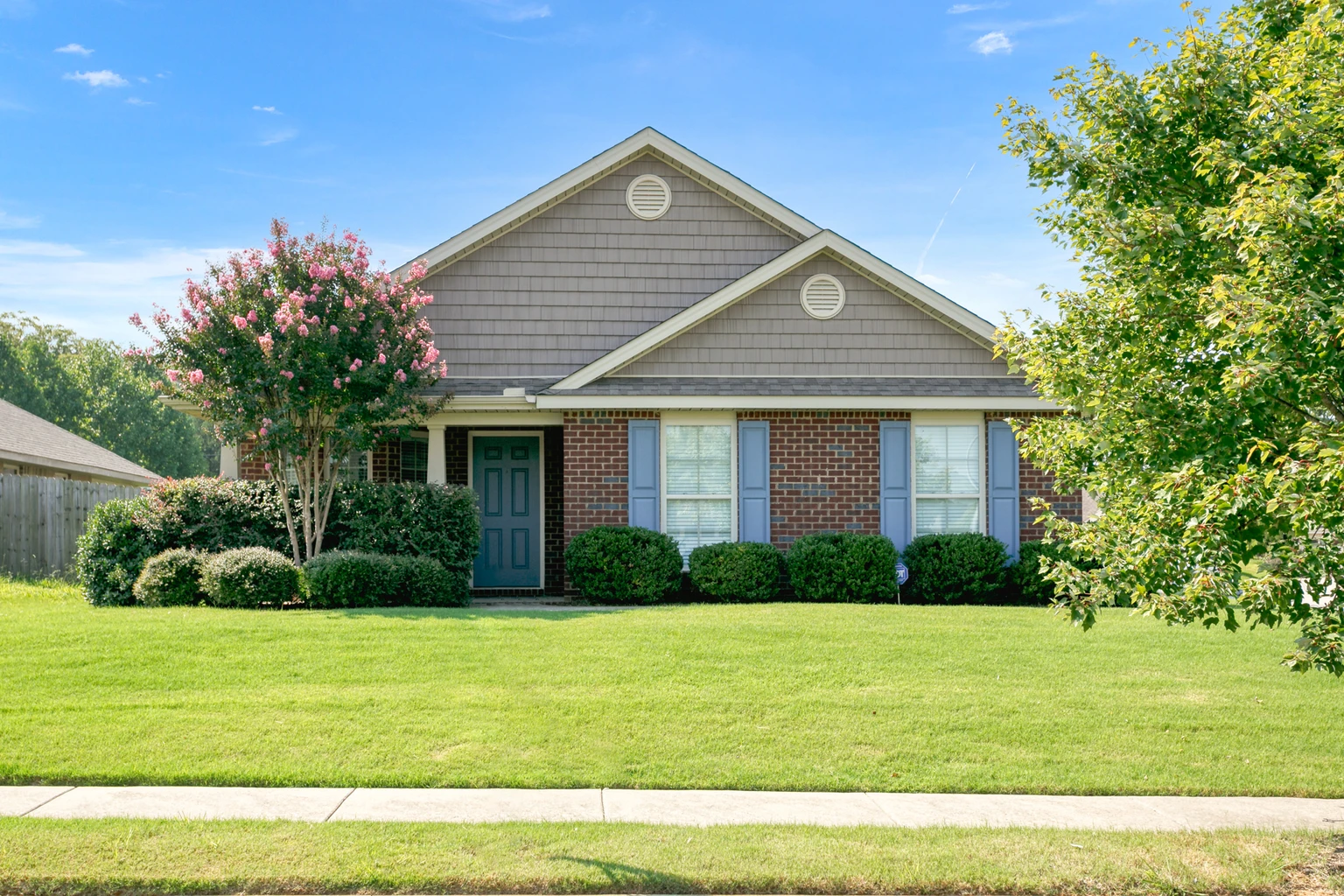

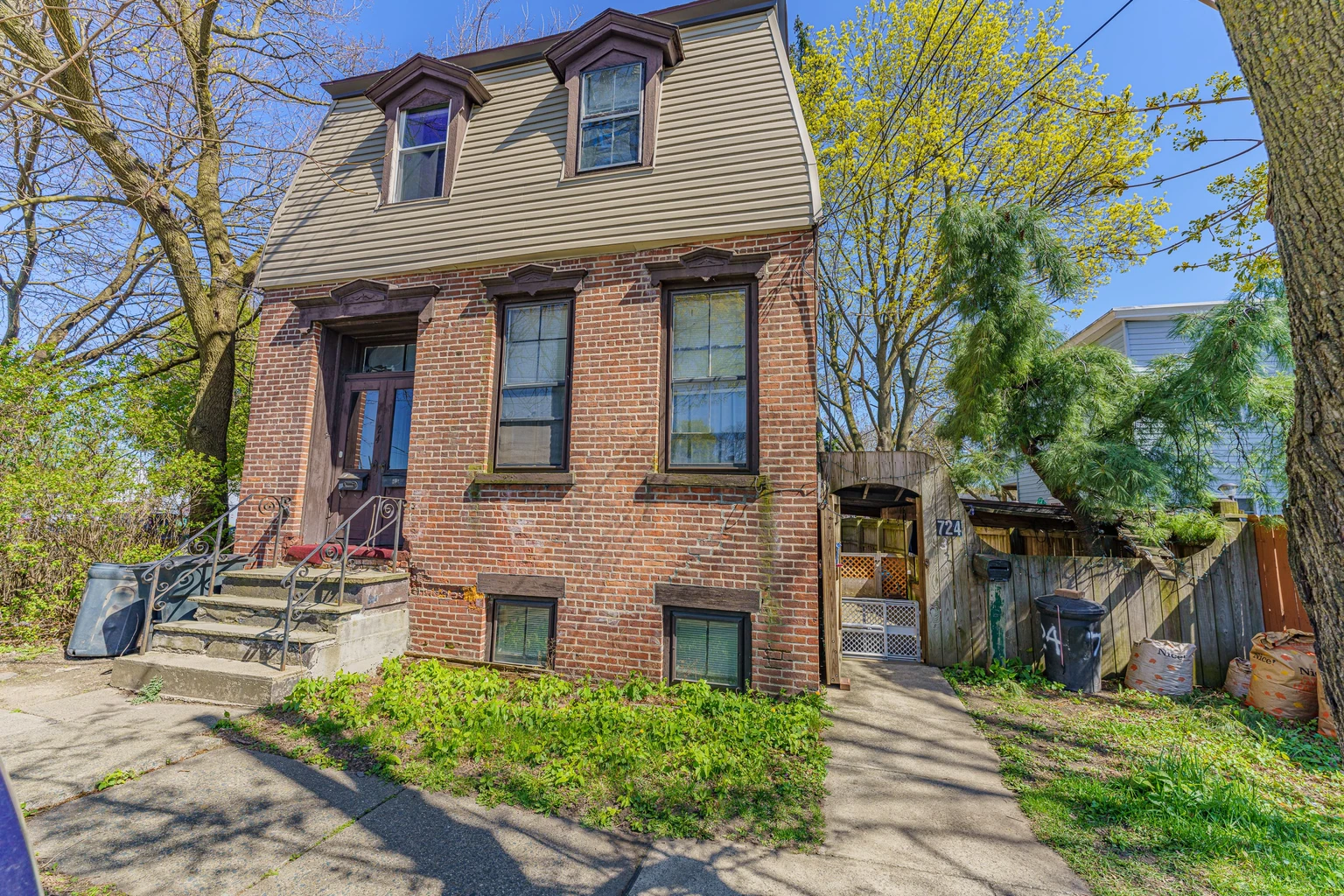
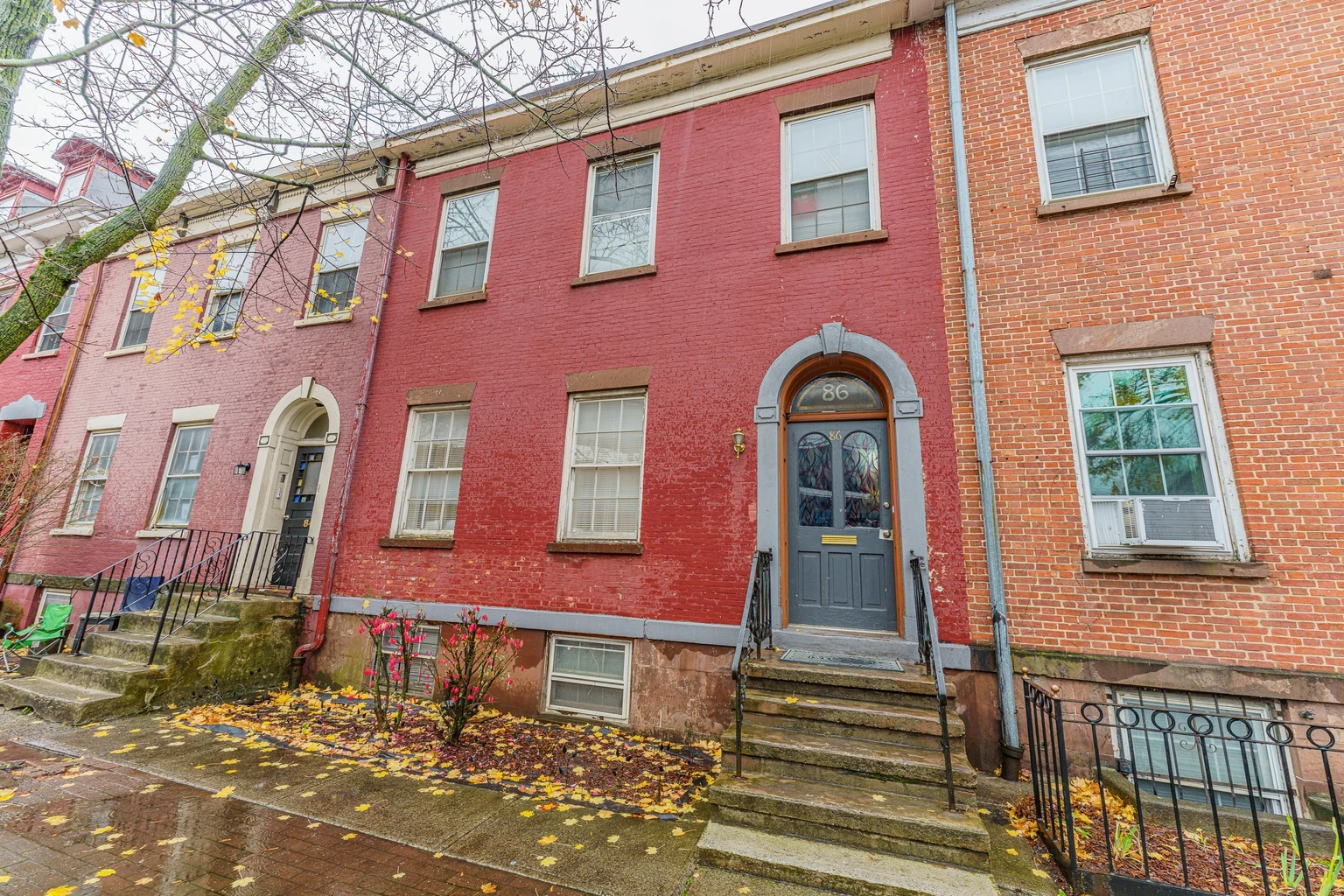
Recently Sold Investment Properties in Akron, OH
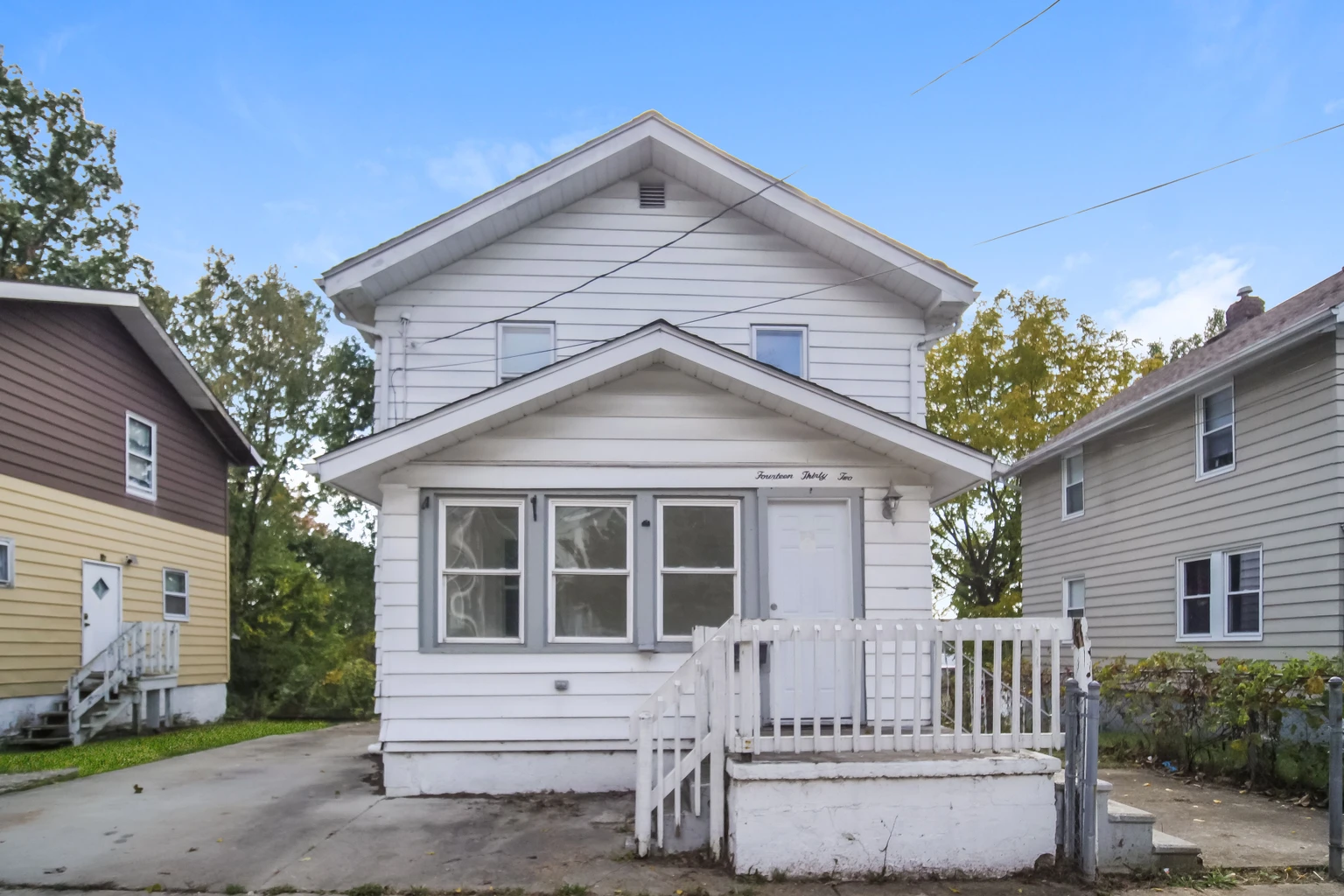
11 previously listed properties in Akron.




About the Akron Real Estate Investment Market
The Akron, Ohio real estate market in 2026 has settled into a balanced rhythm that favors patient buyers and disciplined investors more than it does sellers chasing the boom-era pricing of three years ago. Median sale prices in the city of Akron sit around $124,000 according to Redfin, with broader Akron Cleveland Association of REALTORS data showing a tri-county year-to-date median closer to $217,000 across the wider metro. Homes are taking roughly 53 to 57 days to go under contract, up from the mid-30s a year earlier, and the typical Akron property is closing at about 95.7% to 97% of asking. Inventory remains thin in absolute terms, only about 421 active listings citywide in January 2026, down 7.3% year over year, but the 1.2-month supply is nudging the market toward a more even balance after several years of severe undersupply.
What makes Akron stand out among Midwestern markets is its combination of low entry prices and durable rental demand. Investor-tracking data from PropertyIQ rates Akron 88 out of 100 and flags the metro as roughly 9.7% undervalued versus its fundamentals. Single-family rents on three-bedroom homes run between $1,275 and $1,547, producing price-to-rent ratios in the 9 to 14 range, territory where straightforward long-term rentals can pencil even with mortgage rates in the low-to-mid 6% range. Cap rates for stabilized single-family rentals in Akron commonly land between 7% and 10%, and Akron benefits from a 1.62% effective property tax rate that runs materially below neighboring Cleveland's.
Demand is anchored by a diversified employment base. Goodyear Tire & Rubber's headquarters, the University of Akron, and the Summa Health and Cleveland Clinic Akron General hospital systems collectively employ tens of thousands and keep the renter pool deep. Section 8 placement is a meaningful share of the rental market in neighborhoods like East Akron, North Hill, and Goodyear Heights, where distressed inventory still trades below $90,000 and BRRR (buy-rehab-rent-refinance) operators routinely model a $55,000 acquisition plus a $30,000 rehab against a refinance at 70% of after-repair value. Closer to the urban core, Akron's Highland Square and Merriman Valley command higher rents from young professionals and families, with renovated turnkey product trading around $135,000.
For 2026, local analysts and Houzeo's market model expect Akron home values to appreciate roughly 2% to 4%, with no credible scenario for a crash. The likelier path is a slow grind higher in price as inventory normalizes, days-on-market drift back toward the 40-day range over spring and summer, and out-of-state cash-flow investors continue rotating capital out of saturated Sun Belt cities into undervalued Midwest metros like Akron.
Key Market Statistics for Akron
| Median Sale Price | Inventory Level | Avg Days on Market | YoY Price Change |
|---|---|---|---|
| $124,000 | 421 | 53 days | -4.9% |
Source: aggregated public real estate data, as of February 2026.
Year-Over-Year Market Comparison
Akron's 2025-to-2026 transition tells a two-sided story. On the price side, Redfin's February 2026 read showed a median sale price of $124,000, down 4.9% year over year, while Houzeo reported a higher $133,000 median that was up sharply from depressed comps a year earlier, variance that reflects different mixes of single-family versus condo, urban Akron versus the broader CBSA. The Akron Cleveland Association of REALTORS recorded an 11.8% year-over-year drop in tri-county closed sales through February 2026, and new listings fell 7.4%, confirming that Akron's slowdown was driven less by collapsing demand and more by a shrinking pool of motivated sellers. Days on market lengthened from roughly 35 days in spring 2025 to the low-50s by early 2026, sale-to-list ratios slipped from the high-90s to about 95.7%, and months of supply edged up from 1.32 to 1.21, still tight, but less feverish than the prior cycle.
Trending Neighborhoods in Akron
- Highland Square
- Merriman Valley
- North Hill
- East Akron
- Goodyear Heights
- West Akron
- Wallhaven
- Firestone Park
- Ellet
- Kenmore
In-Demand Property Types in Akron
- Single-family rentals (3-bed/1-bath workforce housing)
- BRRR-eligible distressed single-family homes under $90,000
- Section 8 voucher single-family rentals
- Renovated turnkey single-family near $135,000
- Small multifamily (duplexes and 2-4 unit) near University of Akron
Recent Market Shifts & Trends
The most consequential shift in the Akron market over the last 12 months has been the gradual unwinding of the post-pandemic inventory shortage. New listings ticked up modestly through 2025 and analysts expect 5% to 10% inventory growth in 2026, which is loosening the chokehold sellers have enjoyed since 2021 without flipping Akron into a buyer's market. Mortgage rates settling into a 6.0% to 6.8% band have re-engaged the rate-locked move-up segment, and institutional and out-of-state investor capital that had concentrated in Phoenix, Tampa, and Atlanta is rotating into Akron and other Ohio markets in search of higher cap rates. On the regulatory side, Akron and surrounding Summit County jurisdictions have not adopted the type of restrictive short-term rental rules that have crimped operators in larger metros, leaving the long-term single-family rental strategy as the dominant playbook.
Expert Insights
“Akron earns an 88 out of 100 on our market score and screens as roughly 9.7% undervalued, which is unusual for a metro with such a low cost basis. With cap rates of 7% to 9.5% after-tax, a 1.62% effective property tax rate that runs about half a percentage point below Cleveland, and Goodyear, the University of Akron and a deep healthcare cluster anchoring renter demand, Akron continues to screen as one of the better cash-flow markets in the Midwest for 2026.”
“The Akron market in 2026 is best described as balanced rather than bullish. Inventory is growing 5% to 10%, days on market are creeping back toward historical norms, and sellers no longer dictate terms, but a crash is not on the table. We expect modest 2% to 4% home-price appreciation through the year, supported by mortgage rates that are stabilizing rather than spiking and by Akron's underlying affordability, the median home price still sits roughly 64% below the U.S. average.”
“Akron is increasingly the destination for cash-flow operators who can no longer make the math work in saturated Sun Belt markets. The BRRR formula: roughly $55,000 acquisition, $30,000 rehab, refinance at 70% of after-repair value: still works in East Akron, North Hill and Goodyear Heights, and Section 8 placement keeps the rent roll stable. Price-to-rent ratios in the 9 to 14 range mean Akron is one of the few major U.S. metros where a long-term single-family rental can still produce positive monthly cash flow at today's mortgage rates.”
Key Takeaways
For investors, Akron in 2026 is a cash-flow market, not an appreciation play. The combination of sub-$140,000 entry prices, 7% to 10% cap rates, a 1.62% effective property tax rate, and a 9 to 14 price-to-rent ratio means a properly underwritten Akron single-family rental can still pencil on conventional financing, something that has become rare in most of the country. The trade-off is that capital appreciation will be modest (2% to 4% through 2026), exit liquidity in the lowest-priced submarkets requires patience, and rehab quality matters because the rental pool skews working-class. Investors who buy in renter-dense, employment-anchored Akron neighborhoods like Highland Square, Goodyear Heights and Merriman Valley, who underwrite property taxes and insurance conservatively, and who do not over-leverage, should find Akron one of the more durable income markets the Midwest has to offer.
Frequently Asked Questions About Akron Real Estate
Is Akron, OH a good market for fractional real estate investing?
For investors, Akron in 2026 is a cash-flow market, not an appreciation play. The combination of sub-$140,000 entry prices, 7% to 10% cap rates, a 1.62% effective property tax rate, and a 9 to 14 price-to-rent ratio means a properly underwritten Akron single-family rental can still pencil on conventional financing, something that has become rare in most of the country. The trade-off is that capital appreciation will be modest (2% to 4% through 2026), exit liquidity in the lowest-priced submarkets requires patience, and rehab quality matters because the rental pool skews working-class. Investors who buy in renter-dense, employment-anchored Akron neighborhoods like Highland Square, Goodyear Heights and Merriman Valley, who underwrite property taxes and insurance conservatively, and who do not over-leverage, should find Akron one of the more durable income markets the Midwest has to offer.
What is the median sale price in Akron, OH?
The median sale price in Akron, OH is approximately $124,000 as of February 2026.
What are trending neighborhoods in Akron, OH?
Trending neighborhoods in Akron, OH include Highland Square, Merriman Valley, North Hill, East Akron, Goodyear Heights, West Akron.
What property types are in demand for investment properties in Akron, OH?
In-demand investment property types in Akron, OH include Single-family rentals (3-bed/1-bath workforce housing), BRRR-eligible distressed single-family homes under $90,000, Section 8 voucher single-family rentals, Renovated turnkey single-family near $135,000.
Data Sources
- Akron Cleveland Association of REALTORS
- Redfin Akron Housing Market
- Houzeo Akron Market Report
- PropertyIQ Akron 2026
- DoorVault Akron Rental Market
- PropertyDNA Akron Market
- Kurby Up-and-Coming Akron Neighborhoods
- United States Real Estate Investor Akron Hotspots
- FRED St. Louis Fed Akron Days-on-Market
- Stacker Akron 2025 Year in Review
- Buildium 60 Up-and-Coming 2026 Markets
- CapRateCity Akron Comparison
Other Investment Property Markets Near Akron
Explore fractional real estate investment properties in other U.S. markets on Lofty.
- Investment Properties in Cincinnati, OH
- Investment Properties in Cleveland, OH
- Investment Properties in Gibsonburg, OH
- Investment Properties in McCutchenville, OH
- Investment Properties in Tiffin, OH
- Investment Properties in Acton, CA
- Investment Properties in Albany, NY
- Investment Properties in Albuquerque, NM
- Investment Properties in Atlanta, GA
- Investment Properties in Atlantic City, NJ
- Investment Properties in Austin, TX
- Investment Properties in Avon Park, FL