

Investment Properties in Pittsburgh, PA
1 fractional real estate investment property available now in Pittsburgh.
Available investment properties in Pittsburgh, PA
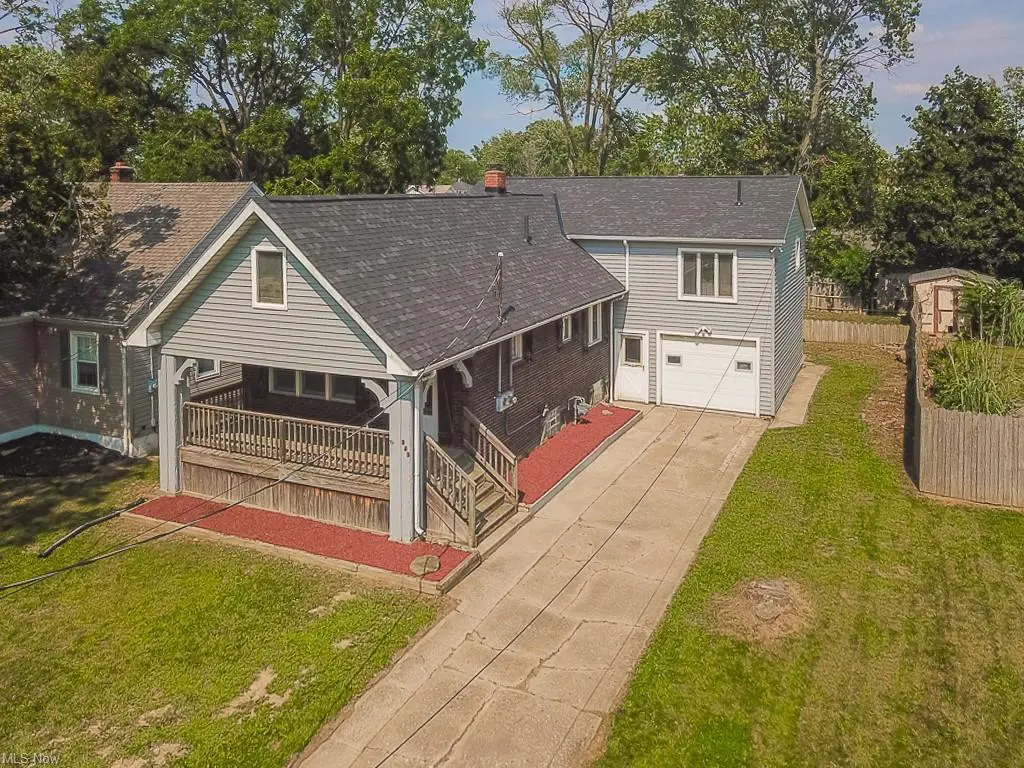
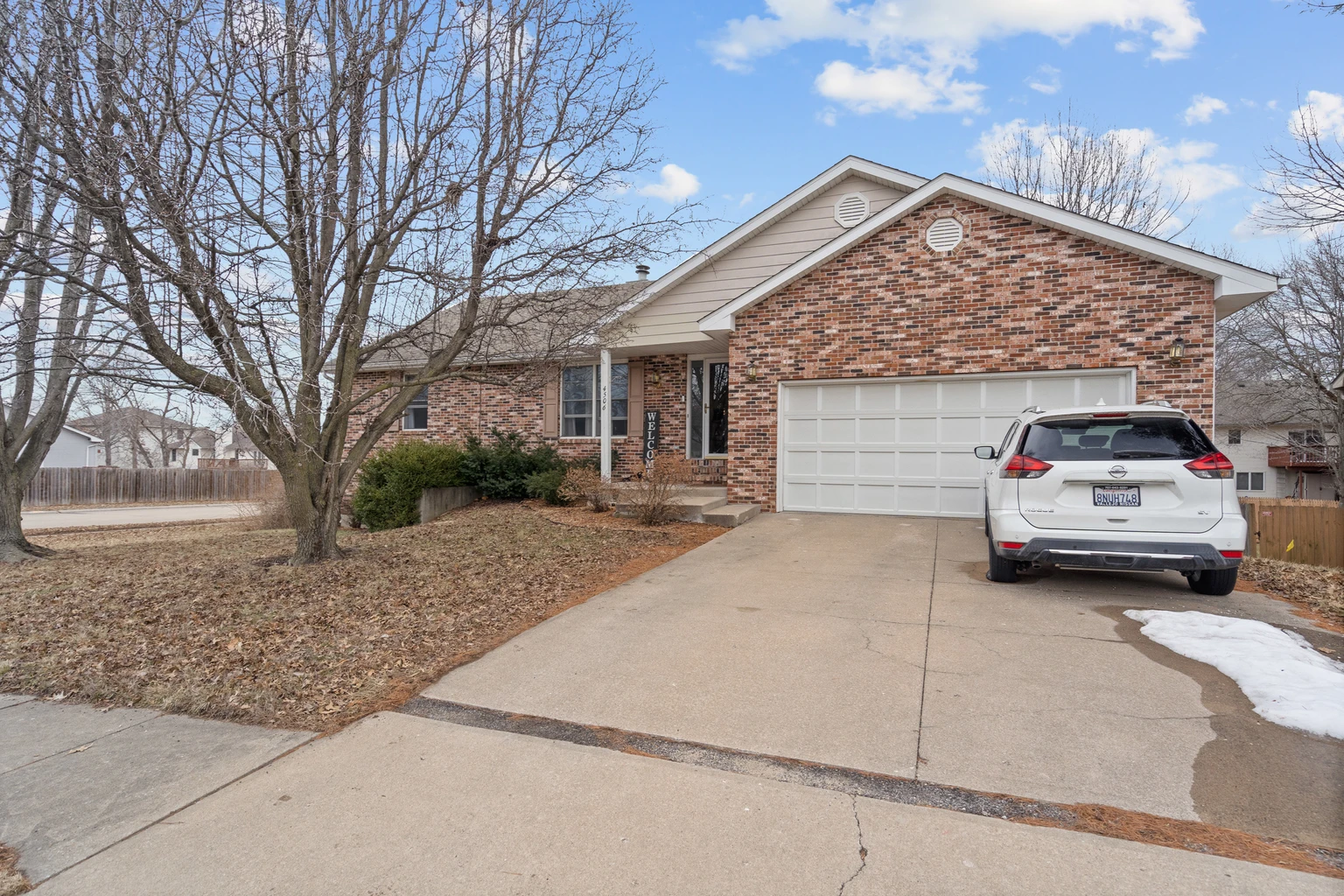
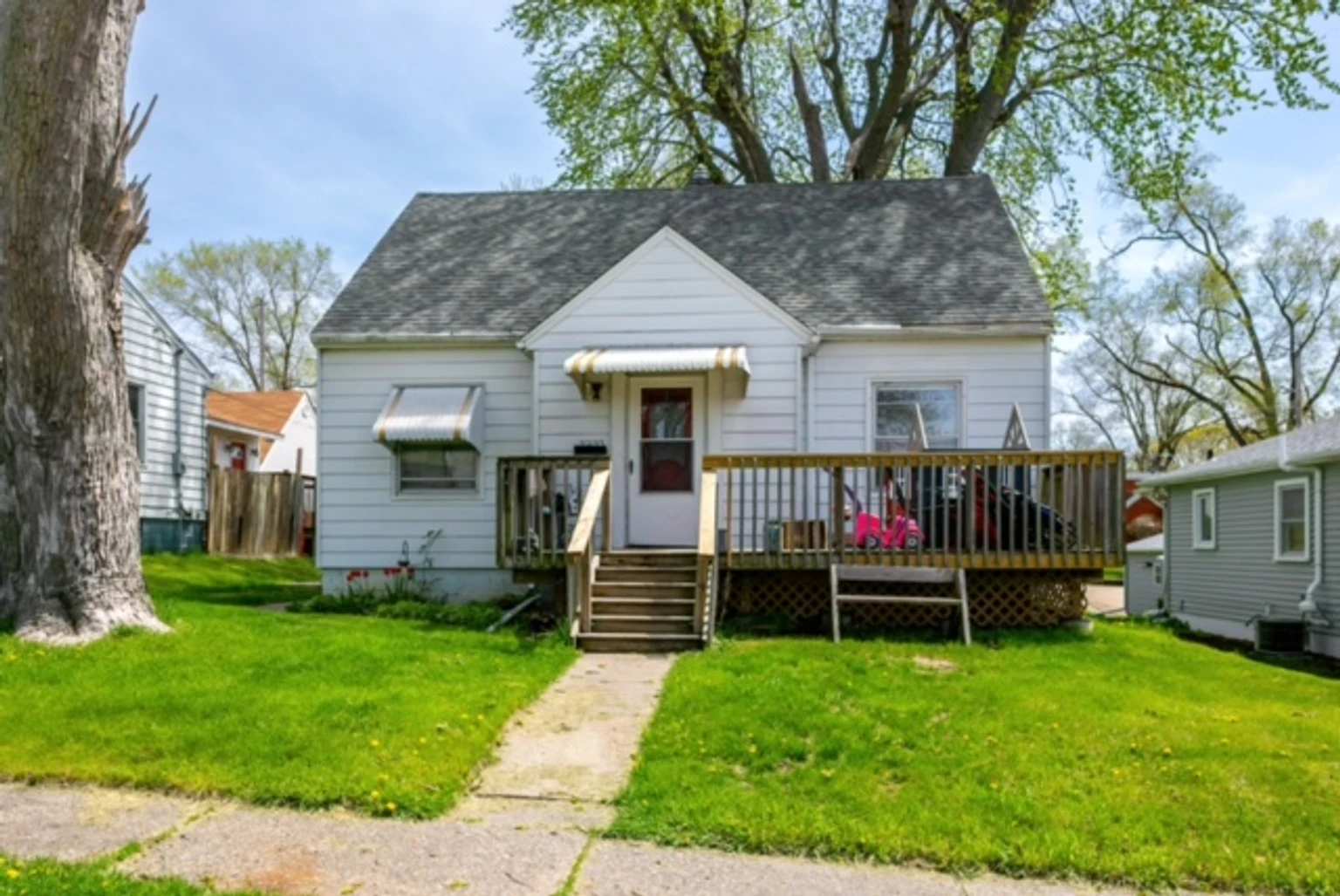
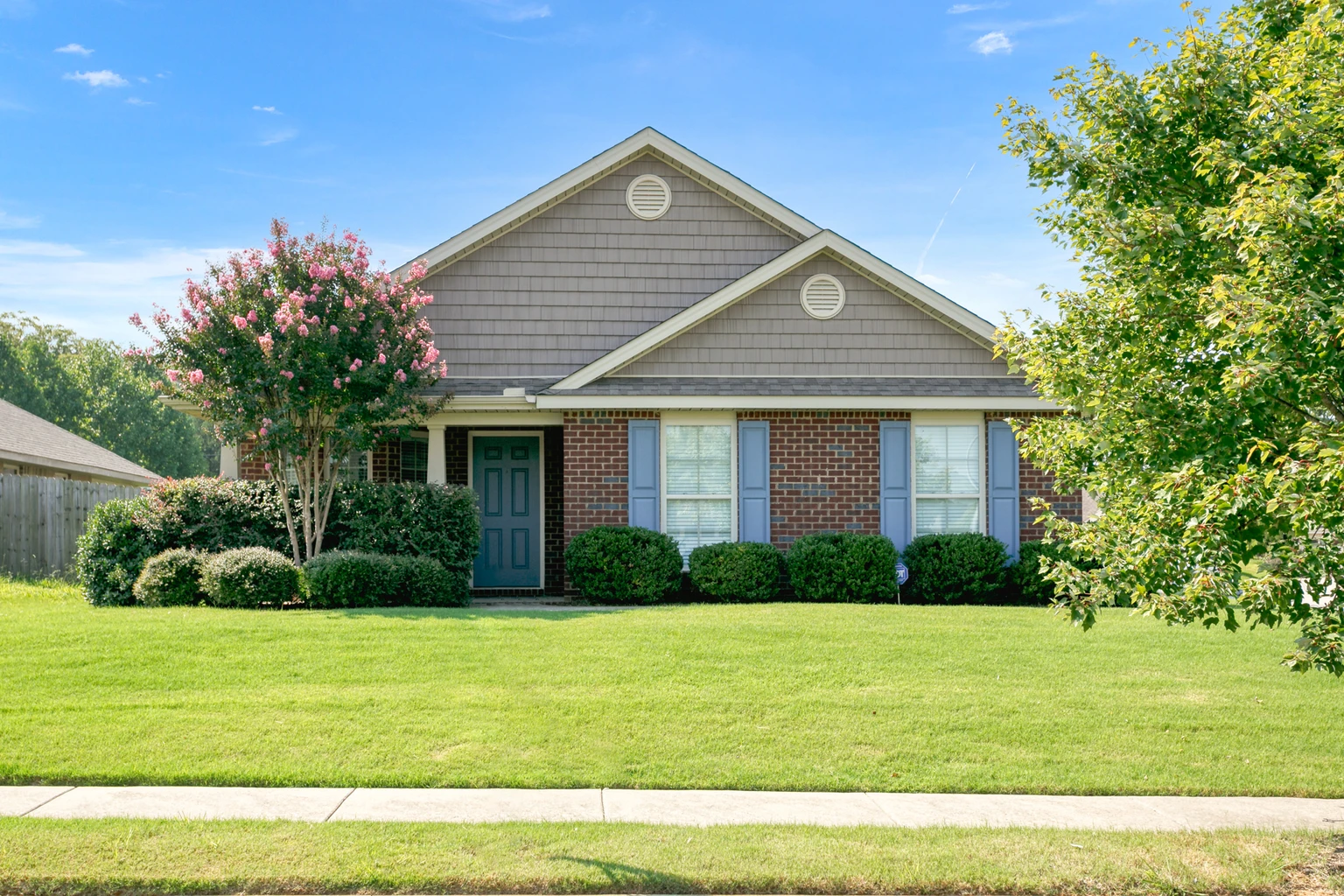
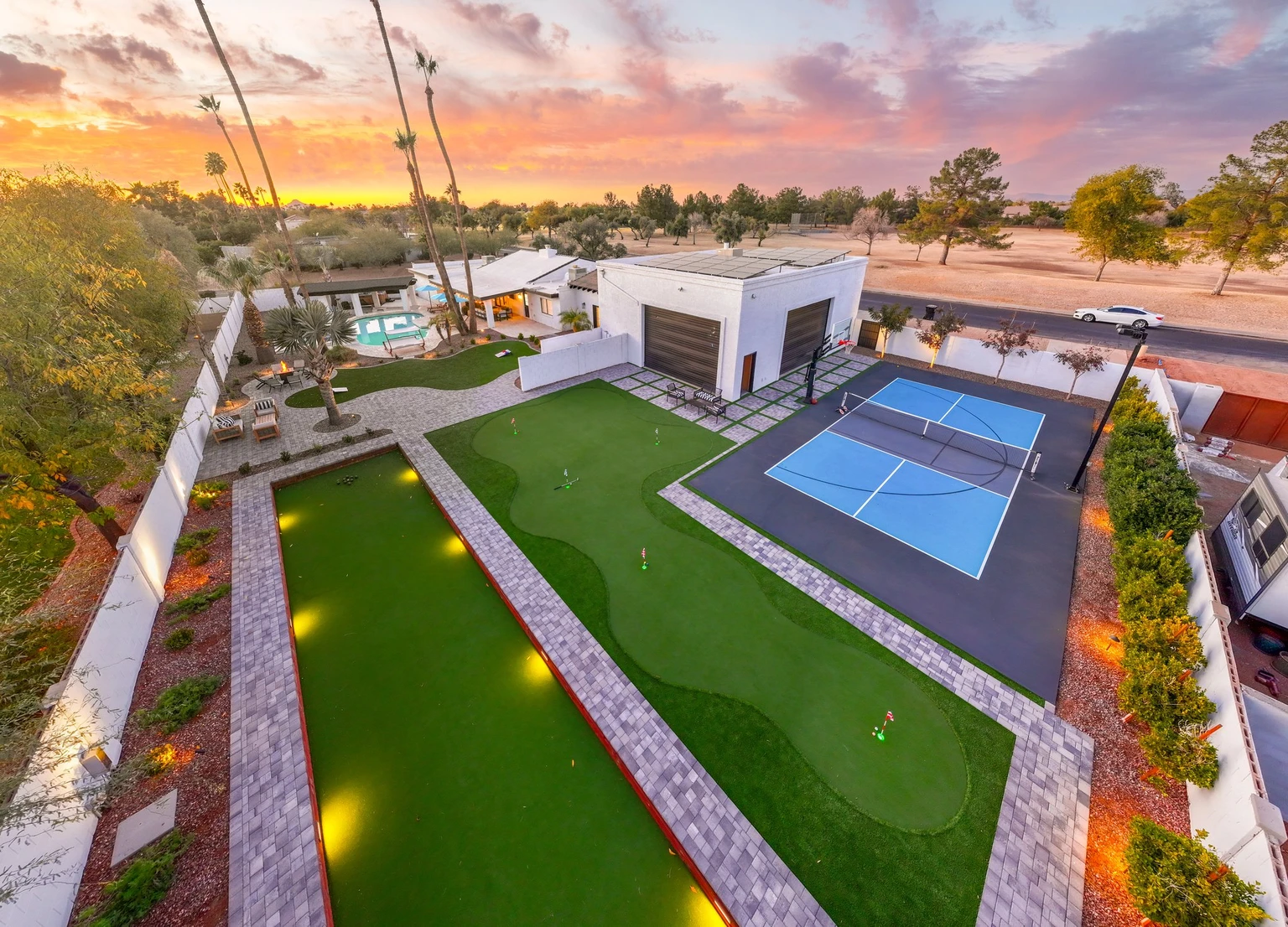
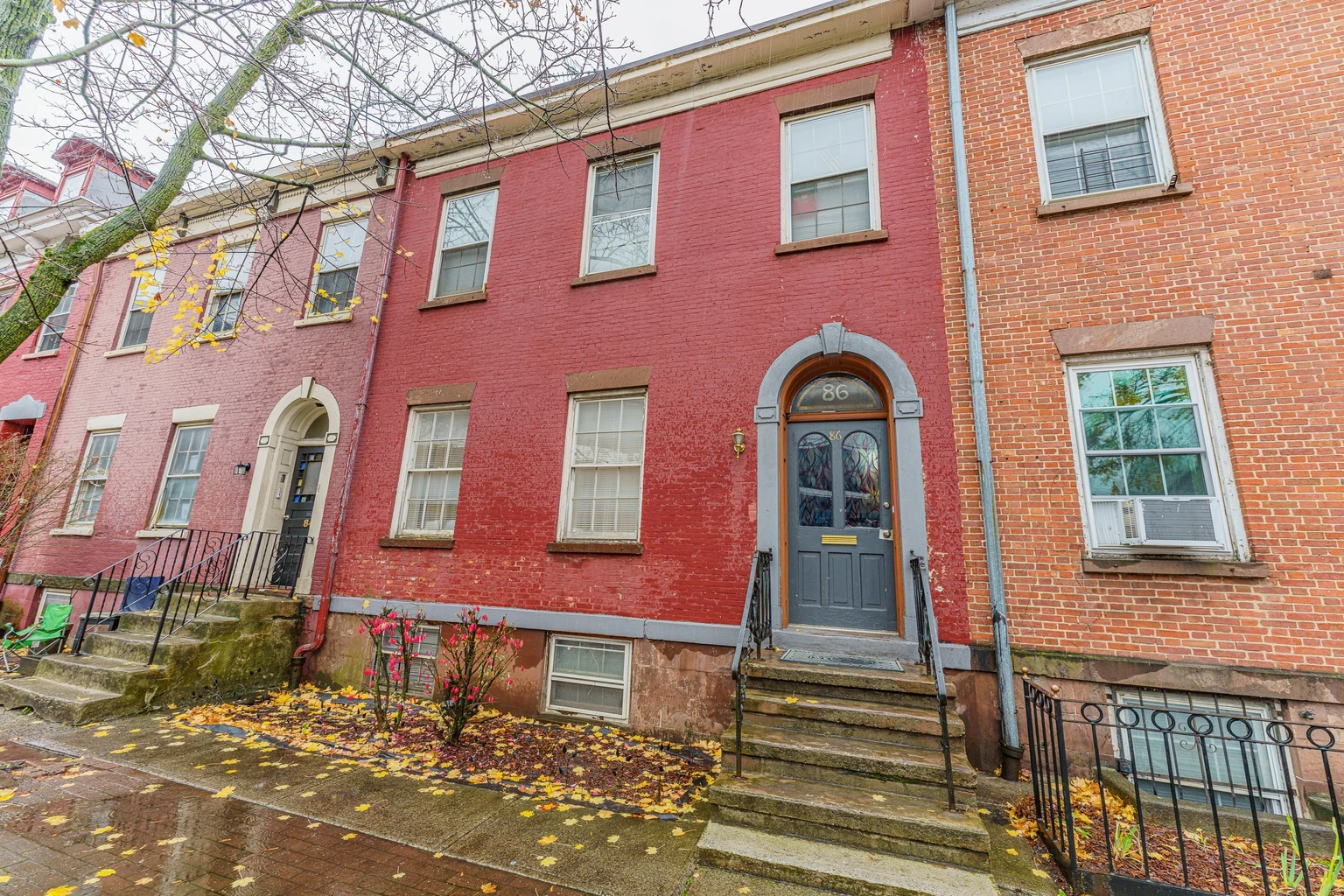
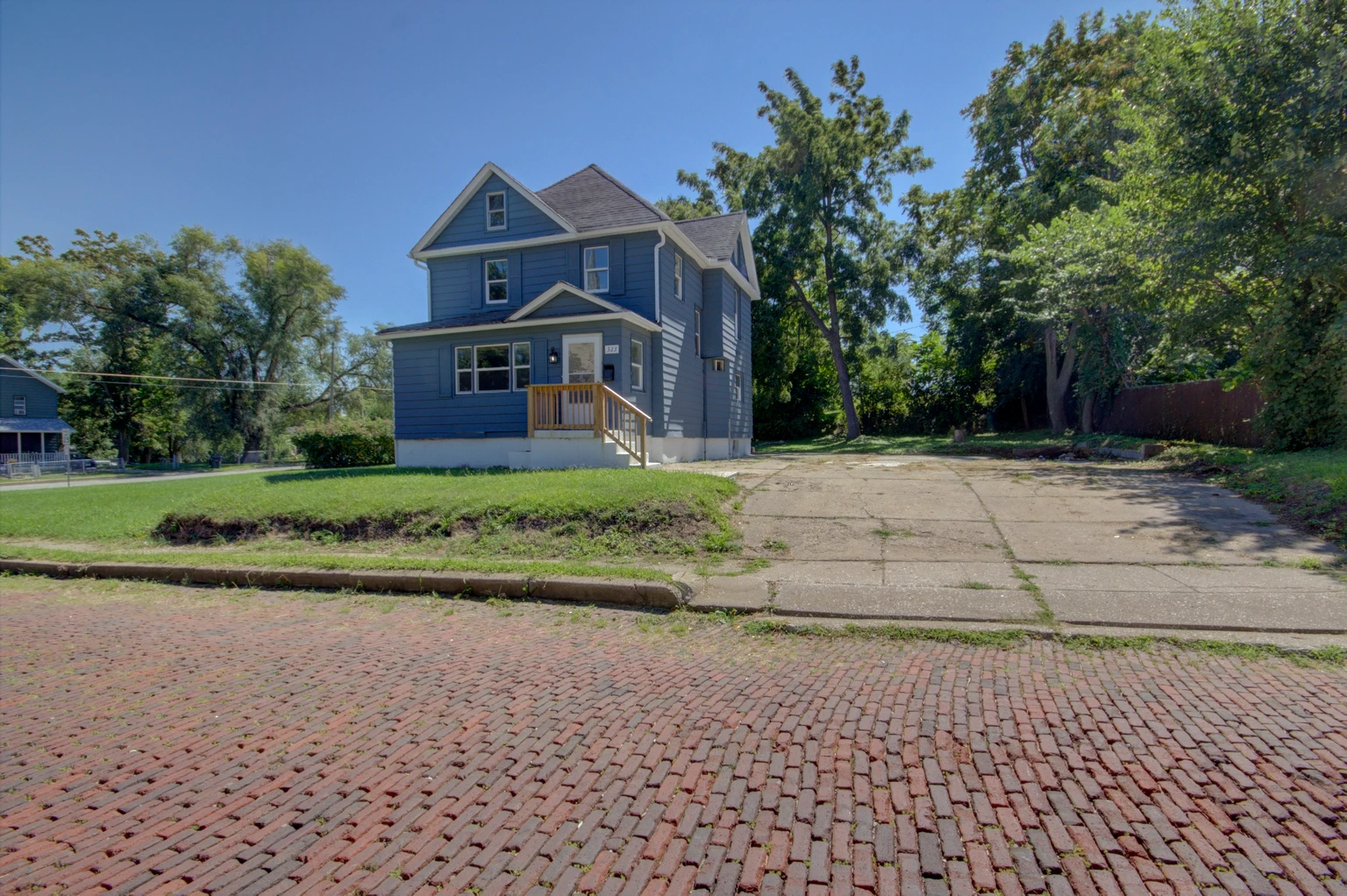
Recently Sold Investment Properties in Pittsburgh, PA
1 previously listed property in Pittsburgh.

About the Pittsburgh Real Estate Investment Market
The Pittsburgh real estate market in 2026 continues to be one of the most undervalued metros in the country relative to its underlying fundamentals. The median Pittsburgh home price sat near $245,000-$249,000 entering November 2025, roughly 23% below Pennsylvania's $325,000 median and 42% below the national median of about $432,980. Allegheny County data tells a similar story: a county-wide median around $247,000 with 5.2% year-over-year growth, while the average Pittsburgh metro sale price for full-year 2025 came in near $293,852, up roughly 5% year-over-year.
Headline market metrics in Pittsburgh are mixed by design, the metro is genuinely a tale of two markets depending on which neighborhood you land in. Citywide, days on market sat around 56-59 days through late 2025, broadly faster than the 77-day national pace, with months of supply near 2.3 months in November 2025. But in the most desirable neighborhoods: Lawrenceville, Squirrel Hill, Shadyside, the Strip District, homes are still moving in 18-24 days with multiple offers. Meanwhile, fully 48% of active Pittsburgh inventory carried a price cut at some point during the November 2025 cycle, with homes that need significant renovation increasingly sitting longer.
Pittsburgh's structural appeal for investors is its remarkably diversified post-industrial economy: UPMC and Highmark as healthcare anchors, Carnegie Mellon and the University of Pittsburgh as education and research drivers, and a deepening ecosystem of robotics, AI, and autonomous-vehicle firms (including Aurora, Argo legacy talent, and dozens of CMU spinouts). Layer in Fortune 500 footholds at PNC, PPG Industries, U.S. Steel, Alcoa, and Kraft Heinz, and you get steady tenant demand across a wide income spectrum. That breadth is why Pittsburgh has historically avoided the kind of boom-bust cycles seen in Sun Belt markets.
Investor strategies in Pittsburgh divide along neighborhood lines. Lawrenceville commands premium prices, the median in Lower Lawrenceville was $430,000 in early 2025 with rents near $2,220/month, but cap rates compress accordingly, with Central Lawrenceville cap rates hovering around 3.9% and limited fix-and-flip ROI at list price. The cleaner BRRRR plays in Pittsburgh are Brighton Heights, Brookline, Carrick, Lincoln Place, Beechview, and selected Penn Hills pockets, where rent-to-ARV ratios still pencil at 1.0-1.1% with deeper distressed inventory. Squirrel Hill, Shadyside, and Mt. Washington are the durable appreciation plays, while emerging zones like Hazelwood Green and the Penn Avenue Arts Corridor are drawing speculative interest.
Key Market Statistics for Pittsburgh
| Median Sale Price | Inventory Level | Avg Days on Market | YoY Price Change |
|---|---|---|---|
| $245,000 | 4,568 | 56 days | +1.1% |
Source: aggregated public real estate data, as of November 2025.
Year-Over-Year Market Comparison
Pittsburgh's 2024-to-2025 cycle was characterized by modest, sustainable price gains layered against a meaningful inventory rebuild. Allegheny County medians rose roughly 5.2% year-over-year, the metro average sale price climbed about 5% to $293,852, and the broader Pittsburgh market posted a list price near $249,000 for the week ending November 7, 2025. Active inventory hit 4,568 listings with 2.3 months of supply in early November 2025, and Realtor.com data showed 48% of Pittsburgh listings carried a price cut at some point in the cycle, a sharp signal that sellers had lost the ability to dictate terms across the metro. Heading into 2026, analysts expect Pittsburgh price growth to settle in the 2-4% range as the market shifts from a strong seller's advantage toward more balanced conditions, with well-prepared, move-in-ready homes in walkable neighborhoods still clearing quickly while properties needing major work sit notably longer.
Trending Neighborhoods in Pittsburgh
- Lawrenceville (Upper, Central, Lower)
- Squirrel Hill
- Shadyside
- Strip District
- Mt. Washington
- East Liberty
- Bloomfield
- Brighton Heights
- Brookline
- Beechview
- Carrick
- Hazelwood Green
In-Demand Property Types in Pittsburgh
- Walkable urban townhomes and rowhouses in Lawrenceville and the Strip District
- Single-family rentals near UPMC, Pitt, and Carnegie Mellon
- BRRRR-friendly single-family homes in Brighton Heights, Brookline, and Carrick
- Multi-unit rowhouses and duplexes in Bloomfield and East Liberty
- Move-in-ready homes in Squirrel Hill and Shadyside
Recent Market Shifts & Trends
The defining recent shift in Pittsburgh is bifurcation. Move-in-ready homes in walkable, transit-adjacent neighborhoods like Lawrenceville, Squirrel Hill, Shadyside, and the Strip District are still selling in 18-24 days with strong list-to-sale ratios, while properties requiring meaningful renovation are sitting noticeably longer and carrying repeated price cuts (48% of active Pittsburgh inventory experienced a price reduction at some point during the November 2025 cycle). Mortgage rates settling in the 6.0-6.8% band have pulled previously rate-locked Pittsburgh buyers back into the market, supporting the metro's 5% year-over-year price gains, but the easy seller environment of 2021-2023 is decisively behind us. Inventory at 2.3 months of supply still tilts modestly toward sellers in aggregate, but buyers now have real negotiating leverage on anything outside the most desirable pockets.
Expert Insights
“Pittsburgh's prices remain significantly below state and national levels: 23% below Pennsylvania's $325,000 median and 42% below the national median of $432,980, yet 48% of active Pittsburgh inventory took a price cut during the November 2025 cycle. The metro is shifting from a seller's market into a more balanced environment, with well-prepared homes in walkable neighborhoods still moving quickly while properties needing significant updates sit longer.”
“The Pittsburgh playing field has leveled in 2026. Buyers now have more inventory and negotiating power, while sellers must prepare properties well or adjust price expectations. Hot neighborhoods like Lawrenceville, Squirrel Hill, Shadyside, Mt. Washington, and the Strip District continue to outperform, but the metro-wide story is one of genuine balance rather than continued seller dominance.”
“Lawrenceville is no longer the right zip code for BRRRR investors, Lower Lawrenceville now trades around $430,000 with cap rates near 3.9% in Central Lawrenceville. The cleaner Pittsburgh BRRRR plays are Brighton Heights, Brookline, Carrick, Lincoln Place, Beechview, and selected Penn Hills pockets, where rent-to-ARV ratios still pencil at 1.0-1.1% with faster lease velocity and deeper distressed inventory.”
Key Takeaways
Pittsburgh in 2026 rewards investors who pick the right submarket more than those who time the broader cycle. With a metro median around $245,000, 2.3 months of supply, and 48% of active listings carrying a price cut, buyers have real negotiating leverage on anything that isn't a turnkey home in the top five neighborhoods. For appreciation, Lawrenceville, Squirrel Hill, Shadyside, and Mt. Washington remain the cleanest plays, but cap rates in those areas have compressed below 4%, so investors should not expect strong day-one cash flow there. For yield-driven BRRRR and buy-and-hold, focus on Brighton Heights, Brookline, Carrick, Beechview, and Lincoln Place where rent-to-ARV still pencils at 1.0-1.1% and distressed inventory is more readily available. The metro's deep healthcare, education, and tech employment base: anchored by UPMC, Pitt, Carnegie Mellon, and PNC, provides a remarkably stable rental demand floor, which is a meaningful underwriting advantage when projecting 5-10 year holds. Forecasted 2-4% price appreciation in 2026 plus durable rents make Pittsburgh one of the more defensible metros for capital that prioritizes downside protection over speculative upside.
Frequently Asked Questions About Pittsburgh Real Estate
Is Pittsburgh, PA a good market for fractional real estate investing?
Pittsburgh in 2026 rewards investors who pick the right submarket more than those who time the broader cycle. With a metro median around $245,000, 2.3 months of supply, and 48% of active listings carrying a price cut, buyers have real negotiating leverage on anything that isn't a turnkey home in the top five neighborhoods. For appreciation, Lawrenceville, Squirrel Hill, Shadyside, and Mt. Washington remain the cleanest plays, but cap rates in those areas have compressed below 4%, so investors should not expect strong day-one cash flow there. For yield-driven BRRRR and buy-and-hold, focus on Brighton Heights, Brookline, Carrick, Beechview, and Lincoln Place where rent-to-ARV still pencils at 1.0-1.1% and distressed inventory is more readily available. The metro's deep healthcare, education, and tech employment base: anchored by UPMC, Pitt, Carnegie Mellon, and PNC, provides a remarkably stable rental demand floor, which is a meaningful underwriting advantage when projecting 5-10 year holds. Forecasted 2-4% price appreciation in 2026 plus durable rents make Pittsburgh one of the more defensible metros for capital that prioritizes downside protection over speculative upside.
What is the median sale price in Pittsburgh, PA?
The median sale price in Pittsburgh, PA is approximately $245,000 as of November 2025.
What are trending neighborhoods in Pittsburgh, PA?
Trending neighborhoods in Pittsburgh, PA include Lawrenceville (Upper, Central, Lower), Squirrel Hill, Shadyside, Strip District, Mt. Washington, East Liberty.
What property types are in demand for investment properties in Pittsburgh, PA?
In-demand investment property types in Pittsburgh, PA include Walkable urban townhomes and rowhouses in Lawrenceville and the Strip District, Single-family rentals near UPMC, Pitt, and Carnegie Mellon, BRRRR-friendly single-family homes in Brighton Heights, Brookline, and Carrick, Multi-unit rowhouses and duplexes in Bloomfield and East Liberty.
Data Sources
- HousingWire, Pittsburgh Housing Market
- Houzeo Pittsburgh Housing Market
- John Marzullo Team, Pittsburgh 2026
- Berkshire Hathaway The Preferred Realty
- Dallas-Fincham Team, 2025 Recap
- Pittsburgh Magazine, Hot Property Trends
- Stacker, Pittsburgh 2025 Year in Review
- DealScanner Pittsburgh BRRRR Guide
- St. Louis Fed (FRED), Pittsburgh Median List Price
- Realtor.com Research, November 2025
Other Investment Property Markets Near Pittsburgh
Explore fractional real estate investment properties in other U.S. markets on Lofty.
- Investment Properties in Acton, CA
- Investment Properties in Akron, OH
- Investment Properties in Albany, NY
- Investment Properties in Albuquerque, NM
- Investment Properties in Atlanta, GA
- Investment Properties in Atlantic City, NJ
- Investment Properties in Austin, TX
- Investment Properties in Avon Park, FL
- Investment Properties in Baltimore, MD
- Investment Properties in Berkeley, CA
- Investment Properties in Birmingham, AL
- Investment Properties in Black Creek, NY