'/%3e%3cpath%20d='M110.5%2074.84L61.56%20113.3V150.04H0V87.4L110.5%200V74.84Z'%20fill='url(%23paint1_linear_1102_1766)'/%3e%3cpath%20d='M159.44%20150.04L159.44%20205.81H159.2L110.5%20166.53L61.8001%20205.81H61.5601L61.56%20150.04L110.5%20110.57L159.44%20150.04Z'%20fill='url(%23paint2_linear_1102_1766)'/%3e%3cpath%20d='M110.5%20110.57V166.53L61.8001%20205.81H61.5601L61.56%20150.04L110.5%20110.57Z'%20fill='url(%23paint3_linear_1102_1766)'/%3e%3cpath%20d='M159.44%20206H61.5601L61.8001%20205.81L110.5%20166.53L159.2%20205.81L159.44%20206Z'%20fill='url(%23paint4_linear_1102_1766)'/%3e%3cdefs%3e%3clinearGradient%20id='paint0_linear_1102_1766'%20x1='166'%20y1='-19.908'%20x2='145.641'%20y2='227.731'%20gradientUnits='userSpaceOnUse'%3e%3cstop%20stop-color='%23B5AAFF'/%3e%3cstop%20offset='0.723958'%20stop-color='%238977FF'/%3e%3c/linearGradient%3e%3clinearGradient%20id='paint1_linear_1102_1766'%20x1='64'%20y1='15.7891'%20x2='172.309'%20y2='257.652'%20gradientUnits='userSpaceOnUse'%3e%3cstop%20stop-color='%239383FF'/%3e%3cstop%20offset='0.75'%20stop-color='%234D3FED'/%3e%3c/linearGradient%3e%3clinearGradient%20id='paint2_linear_1102_1766'%20x1='171.462'%20y1='36.6188'%20x2='8.598'%20y2='270.272'%20gradientUnits='userSpaceOnUse'%3e%3cstop%20offset='0.229167'%20stop-color='%23B5AAFF'/%3e%3cstop%20offset='0.994792'%20stop-color='%238977FF'/%3e%3c/linearGradient%3e%3clinearGradient%20id='paint3_linear_1102_1766'%20x1='55.7219'%20y1='-31.3876'%20x2='76.8187'%20y2='349.172'%20gradientUnits='userSpaceOnUse'%3e%3cstop%20offset='0.307292'%20stop-color='%239383FF'/%3e%3cstop%20offset='0.854167'%20stop-color='%234D3FED'/%3e%3c/linearGradient%3e%3clinearGradient%20id='paint4_linear_1102_1766'%20x1='110'%20y1='271'%20x2='76.5255'%20y2='202.314'%20gradientUnits='userSpaceOnUse'%3e%3cstop%20stop-color='%23B5AAFF'/%3e%3cstop%20offset='0.90625'%20stop-color='%238977FF'/%3e%3c/linearGradient%3e%3c/defs%3e%3c/svg%3e)
'/%3e%3cpath%20d='M110.5%2074.84L61.56%20113.3V150.04H0V87.4L110.5%200V74.84Z'%20fill='url(%23paint1_linear_1102_1752)'/%3e%3cpath%20d='M159.44%20150.04L159.44%20205.81H159.2L110.5%20166.53L61.8001%20205.81H61.5601L61.56%20150.04L110.5%20110.57L159.44%20150.04Z'%20fill='url(%23paint2_linear_1102_1752)'/%3e%3cpath%20d='M110.5%20110.57V166.53L61.8001%20205.81H61.5601L61.56%20150.04L110.5%20110.57Z'%20fill='url(%23paint3_linear_1102_1752)'/%3e%3cpath%20d='M159.44%20206H61.5601L61.8001%20205.81L110.5%20166.53L159.2%20205.81L159.44%20206Z'%20fill='url(%23paint4_linear_1102_1752)'/%3e%3cdefs%3e%3clinearGradient%20id='paint0_linear_1102_1752'%20x1='166'%20y1='-19.908'%20x2='145.641'%20y2='227.731'%20gradientUnits='userSpaceOnUse'%3e%3cstop%20stop-color='%23B5AAFF'/%3e%3cstop%20offset='0.723958'%20stop-color='%238977FF'/%3e%3c/linearGradient%3e%3clinearGradient%20id='paint1_linear_1102_1752'%20x1='64'%20y1='15.7891'%20x2='172.309'%20y2='257.652'%20gradientUnits='userSpaceOnUse'%3e%3cstop%20stop-color='%239383FF'/%3e%3cstop%20offset='0.75'%20stop-color='%234D3FED'/%3e%3c/linearGradient%3e%3clinearGradient%20id='paint2_linear_1102_1752'%20x1='171.462'%20y1='36.6188'%20x2='8.598'%20y2='270.272'%20gradientUnits='userSpaceOnUse'%3e%3cstop%20offset='0.229167'%20stop-color='%23B5AAFF'/%3e%3cstop%20offset='0.994792'%20stop-color='%238977FF'/%3e%3c/linearGradient%3e%3clinearGradient%20id='paint3_linear_1102_1752'%20x1='55.7219'%20y1='-31.3876'%20x2='76.8187'%20y2='349.172'%20gradientUnits='userSpaceOnUse'%3e%3cstop%20offset='0.307292'%20stop-color='%239383FF'/%3e%3cstop%20offset='0.854167'%20stop-color='%234D3FED'/%3e%3c/linearGradient%3e%3clinearGradient%20id='paint4_linear_1102_1752'%20x1='110'%20y1='271'%20x2='76.5255'%20y2='202.314'%20gradientUnits='userSpaceOnUse'%3e%3cstop%20stop-color='%23B5AAFF'/%3e%3cstop%20offset='0.90625'%20stop-color='%238977FF'/%3e%3c/linearGradient%3e%3c/defs%3e%3c/svg%3e)
Investment Properties in Detroit, MI
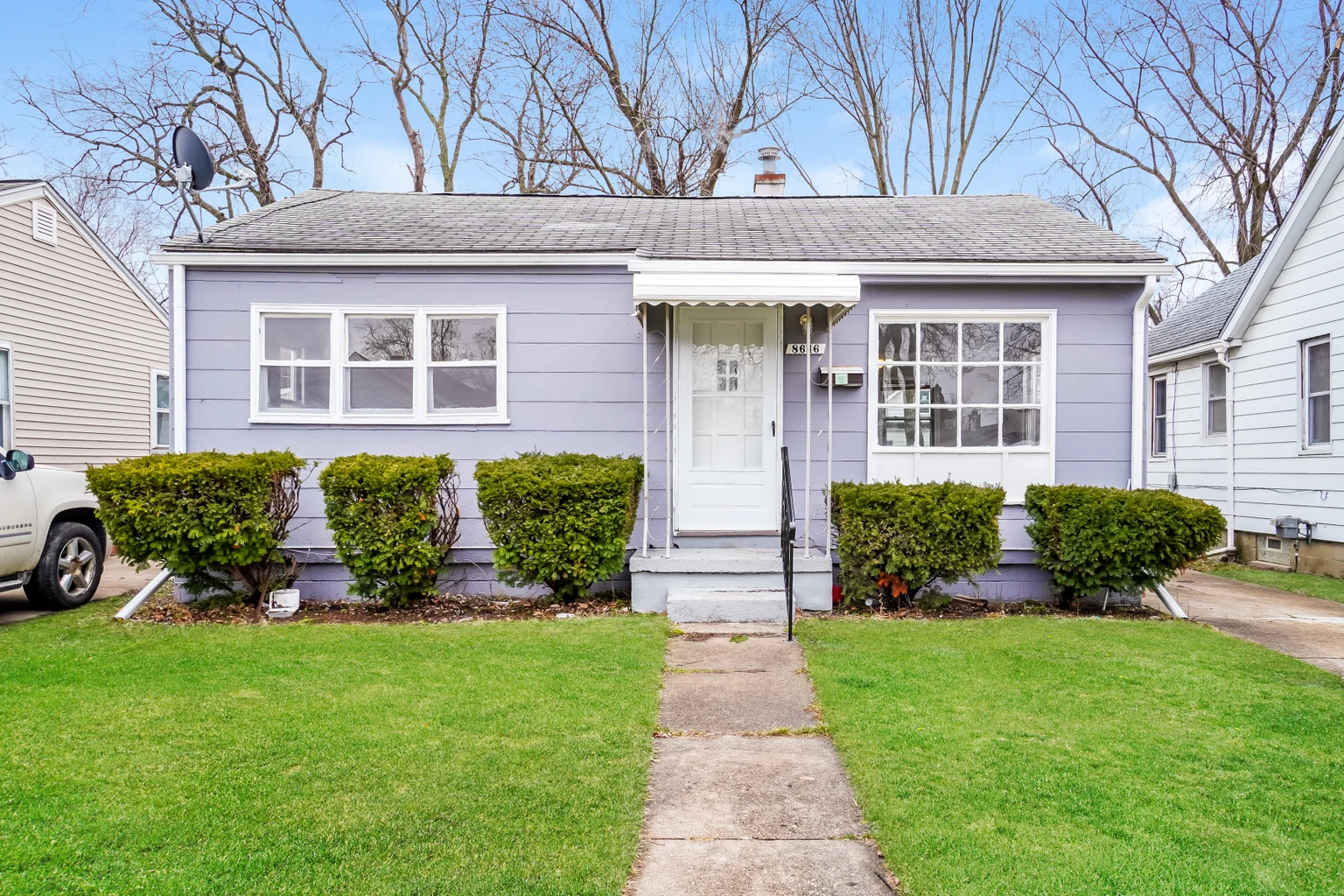
1 fractional real estate investment property available now in Detroit.
Available investment properties in Detroit, MI
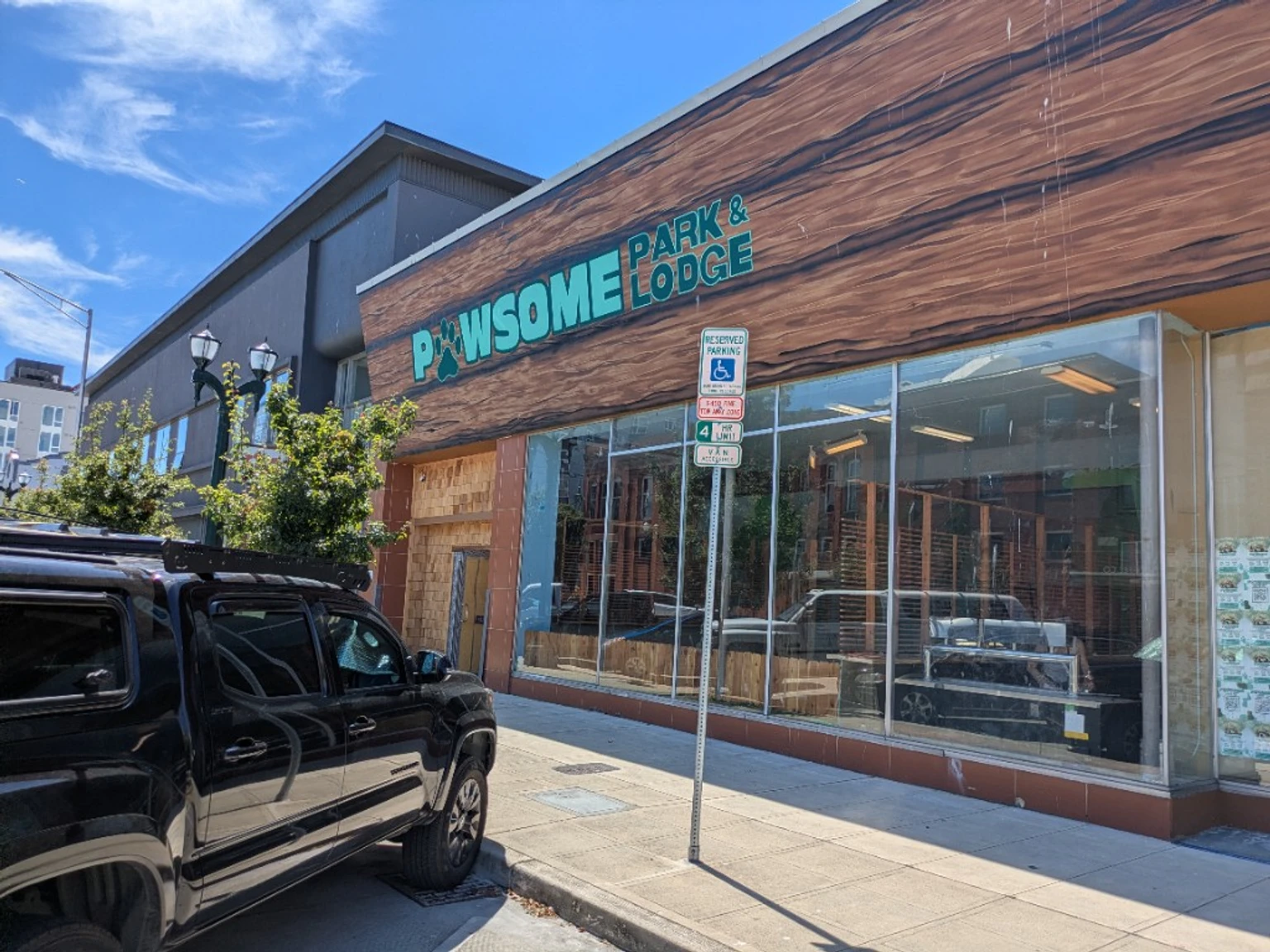
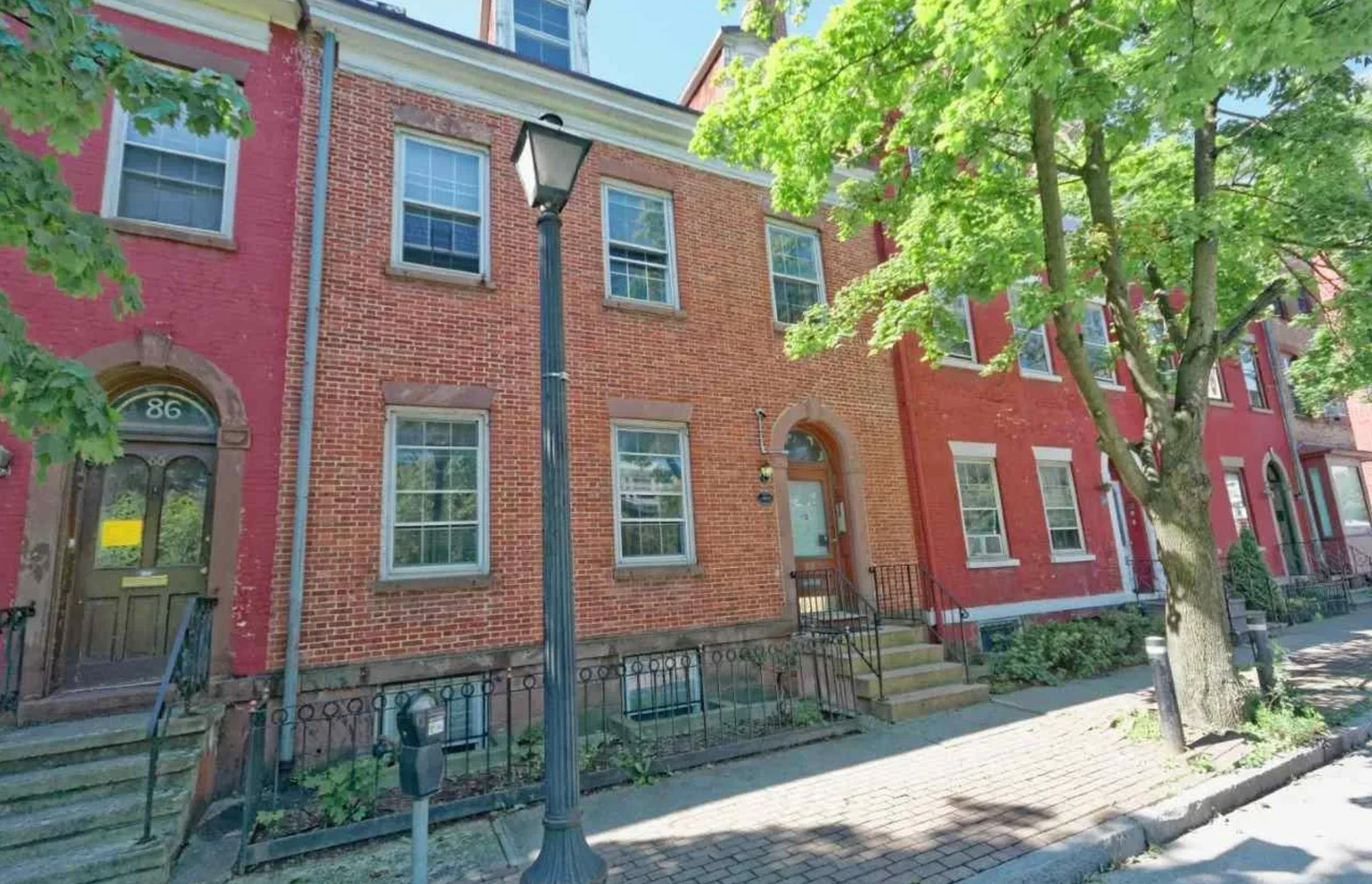
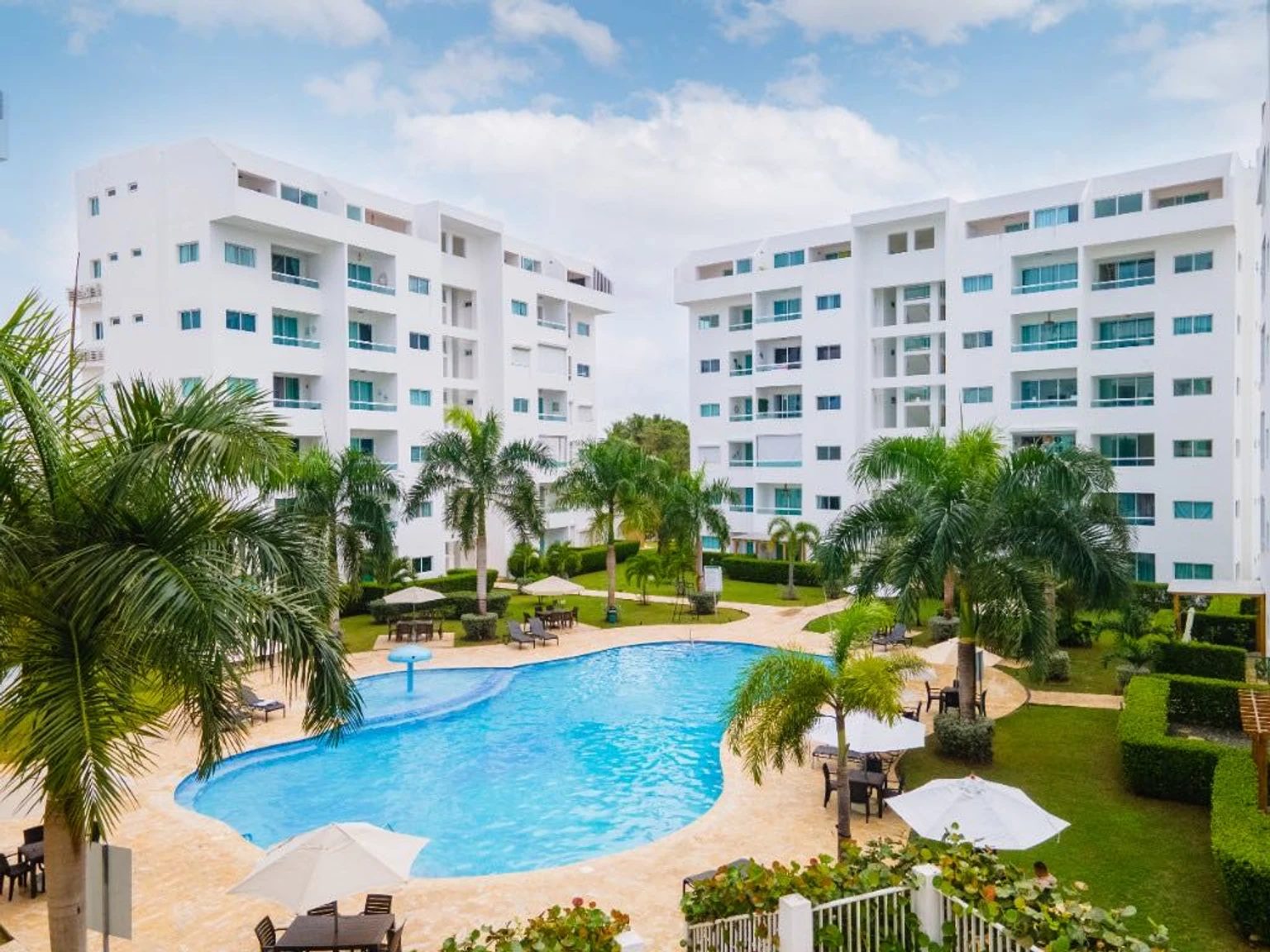
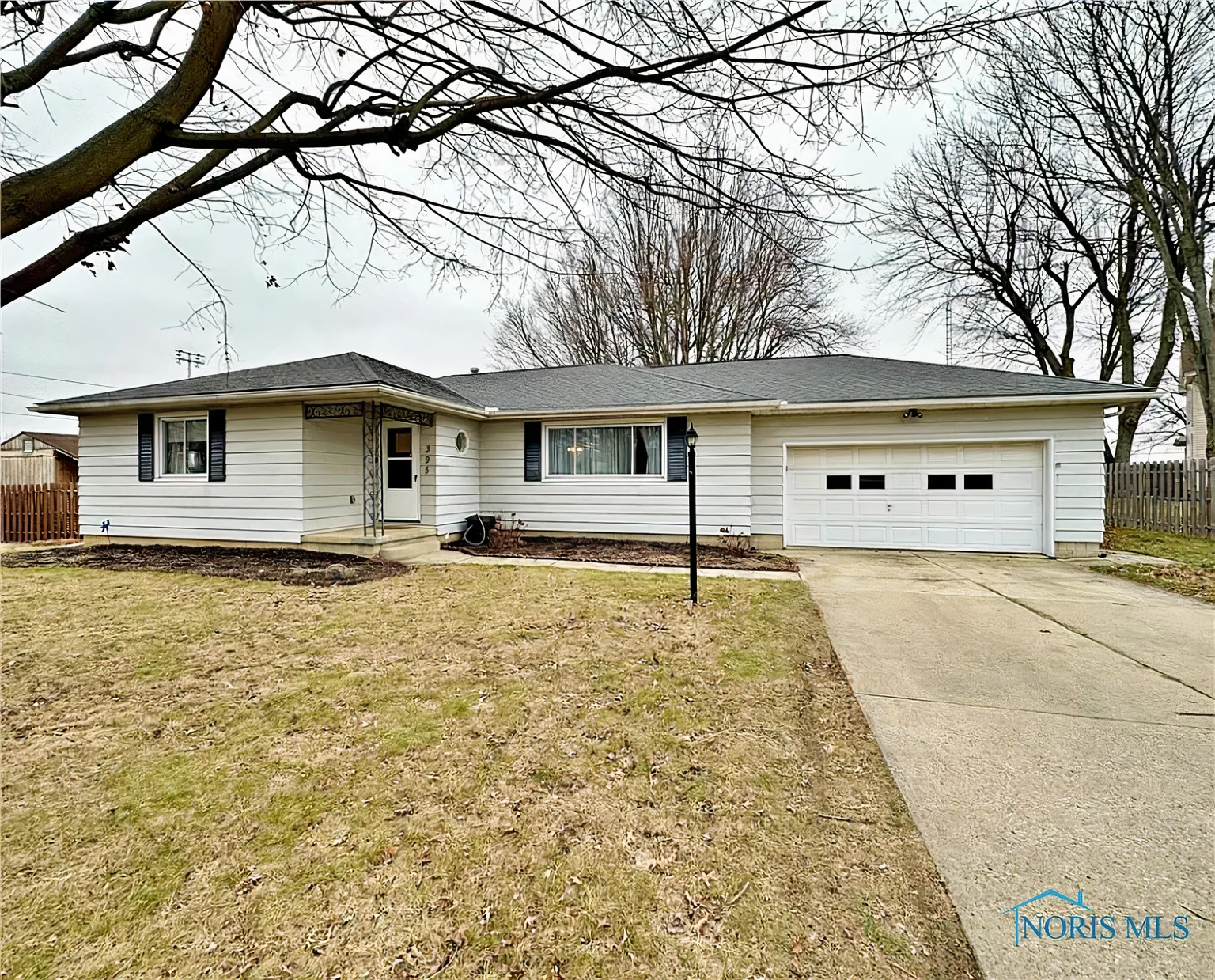
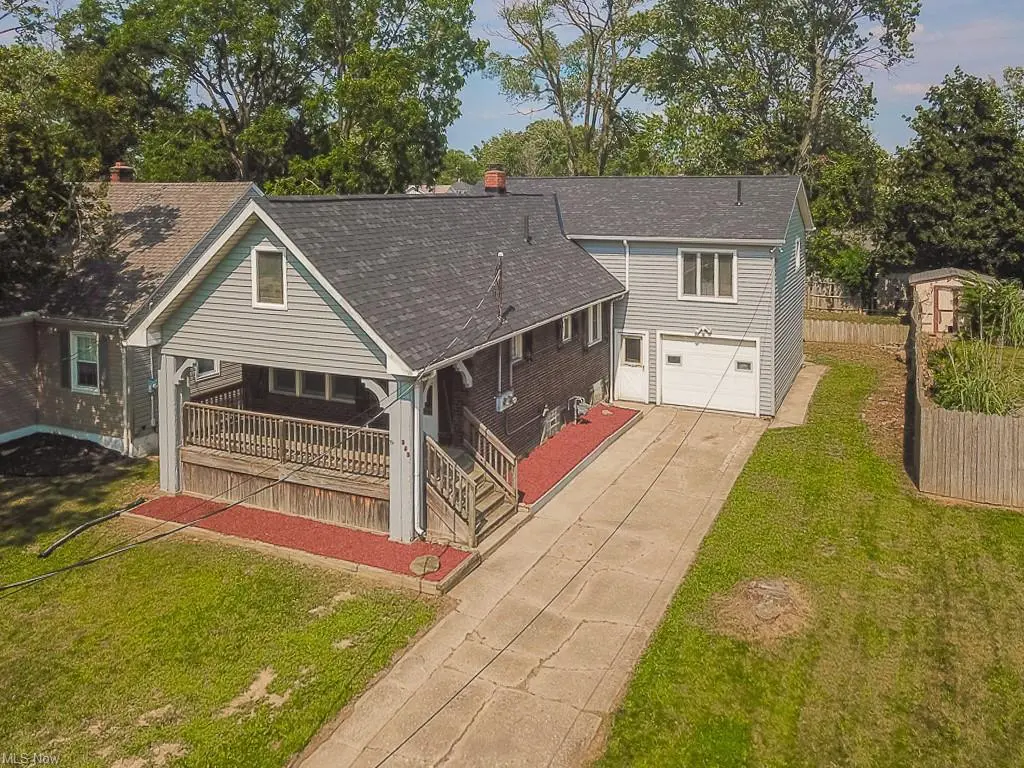
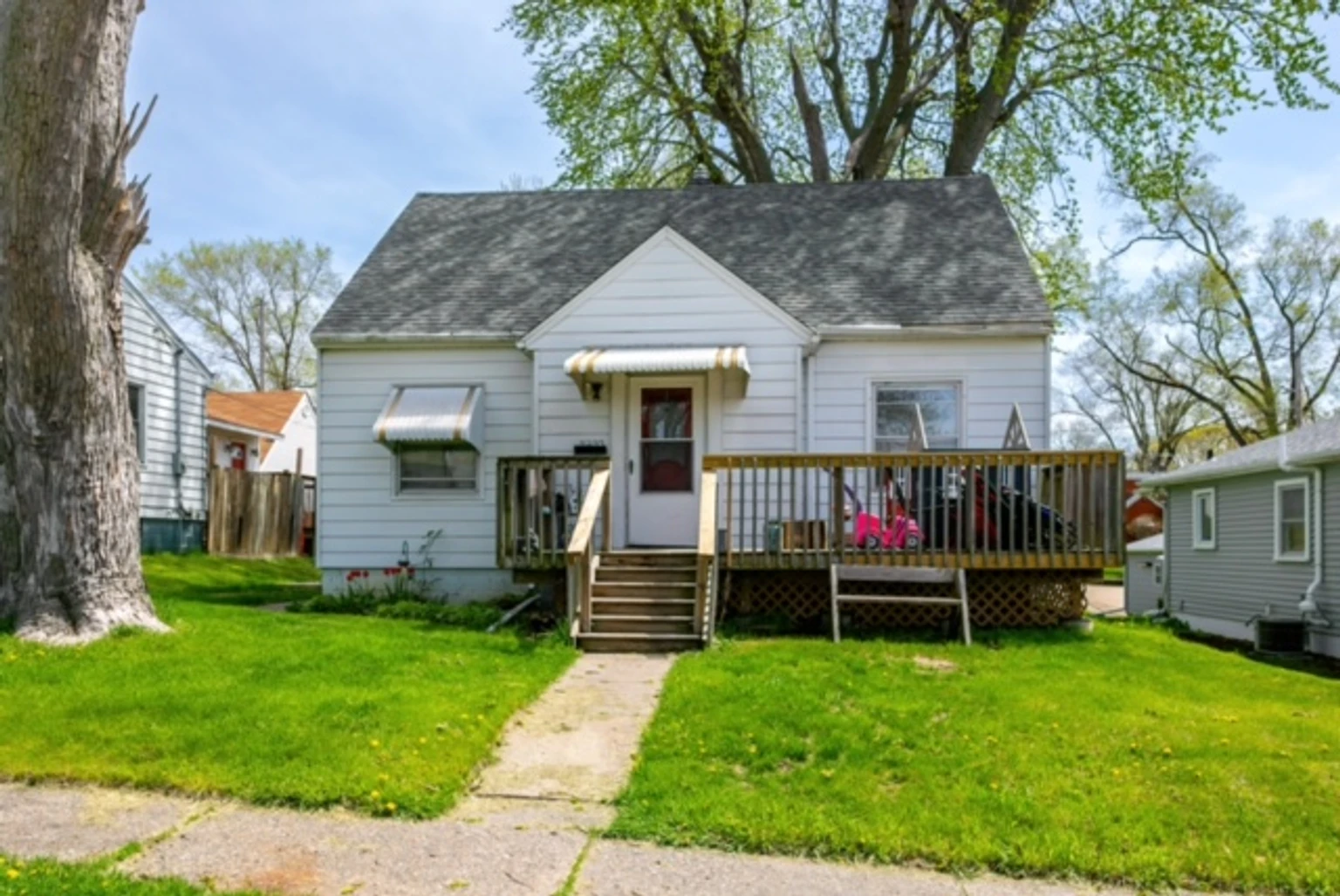
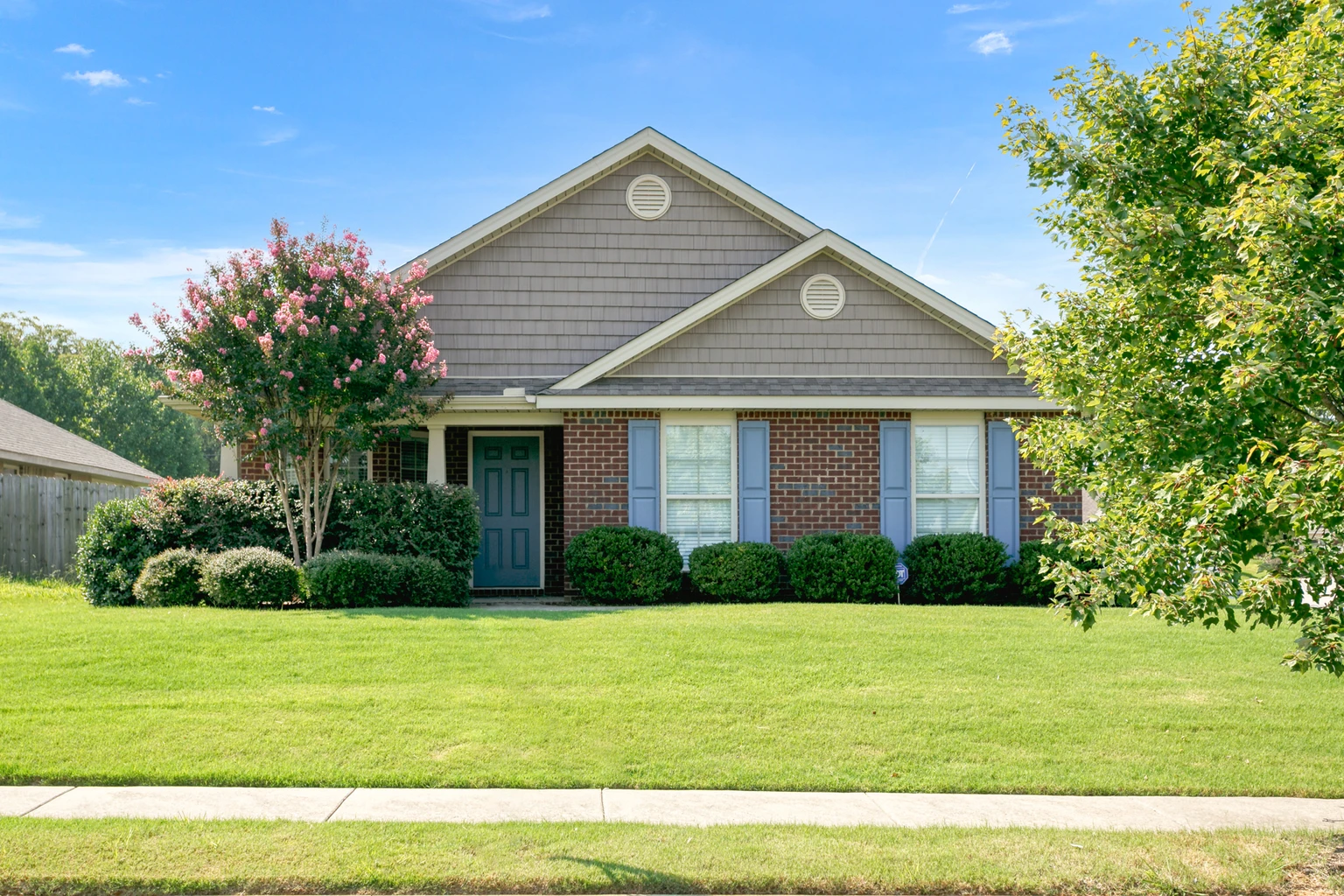
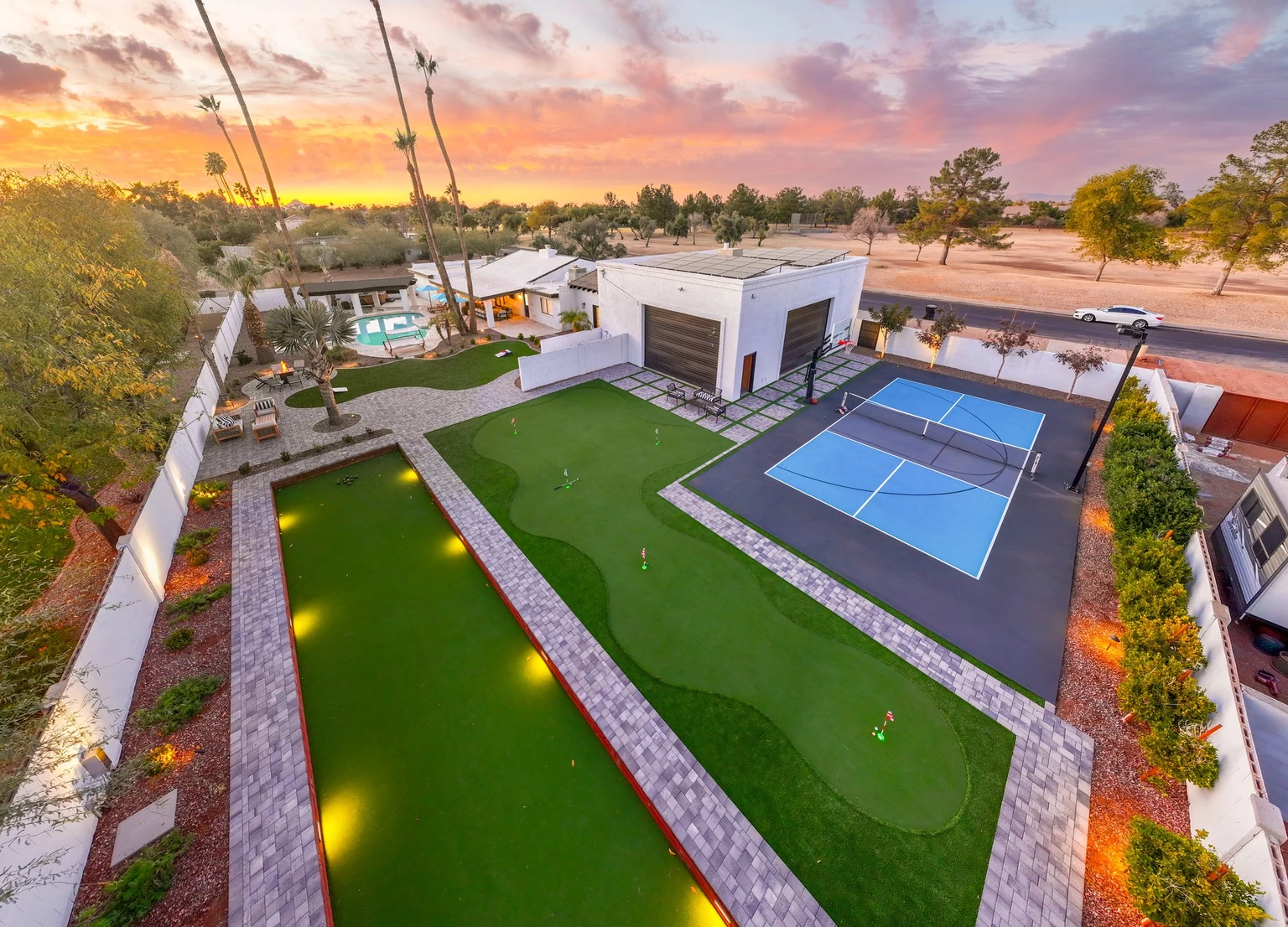
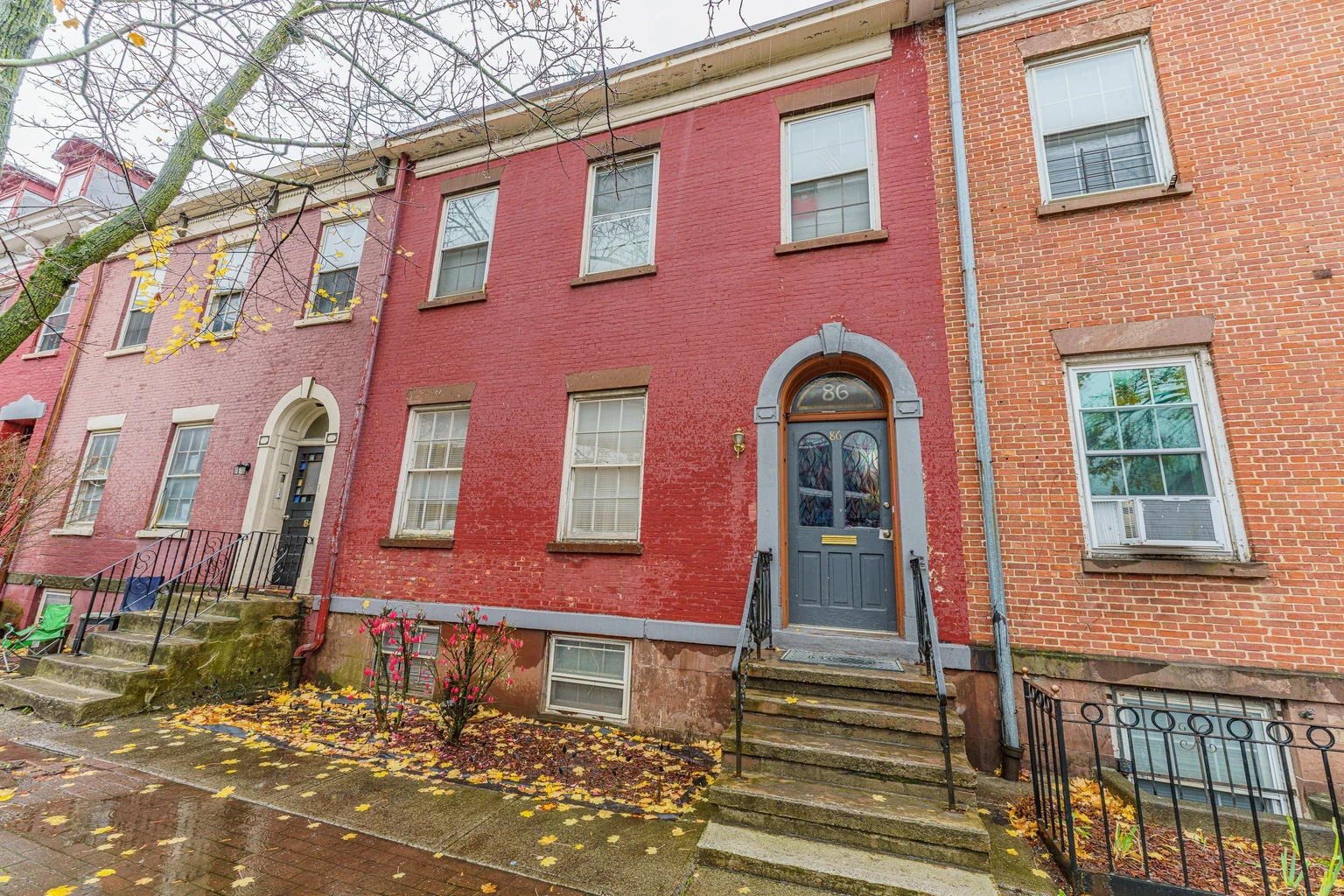
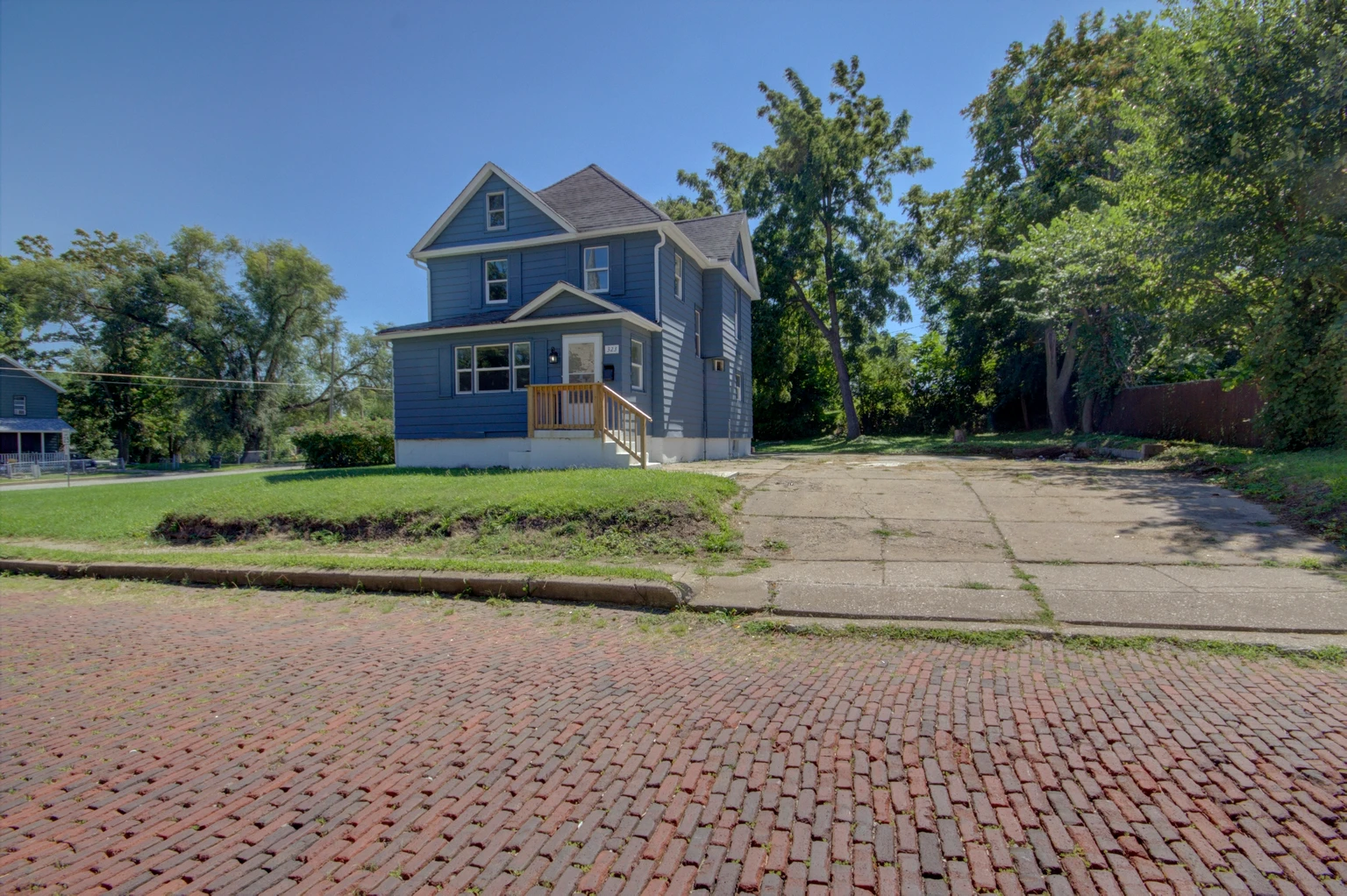
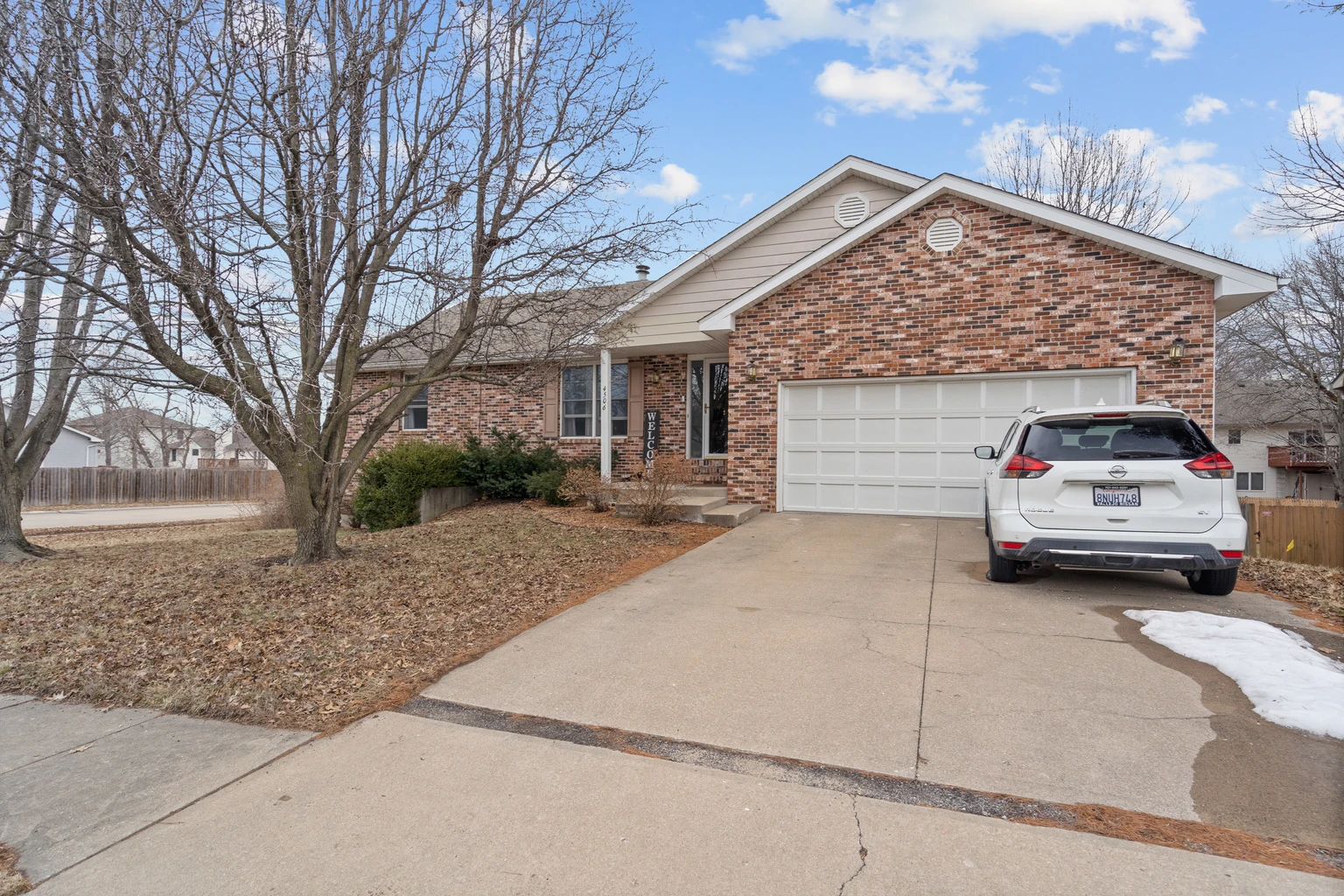
Recently Sold Investment Properties in Detroit, MI
9 previously listed properties in Detroit.




About the Detroit Real Estate Investment Market
Detroit's 2026 real estate market is one of the most striking divergence stories in the country: the city itself is appreciating in double digits while the broader metro is flat-to-down. Per dbusiness/Realcomp data, Detroit-proper median sales prices climbed 19.4% YoY to about $101,450 in March 2026, even as the metro Detroit median rose just 1.7% to $305,000 over the same period. Realtor.com's April 2026 read of the city of Detroit specifically showed a median sold price of $95,000, with active listings at 4,702 (up 13.86% YoY) and median days on market at 59 (about 11.3% slower than a year earlier). Zillow's home value index, which weights more heavily toward existing stock and lower-tier homes, came in at $74,828, down 2.2% YoY. The reconciliation: a small number of high-end Detroit transactions in revitalizing neighborhoods are pulling the median sharply higher, while the long tail of lower-priced inventory still struggles to clear at expected values. For investors, that gap is the entire opportunity.
Metro Detroit sales activity is recovering off a low base. Closed sales jumped 17% from February to March 2026, though the YoY comparison is still down 2.9%. Buyers are now paying about 99% of asking on average, and pending sales were up 9.1% YoY in March 2026, suggesting genuine demand re-acceleration. Active listings have rebuilt roughly 13%–15% YoY, ending the panic-buying environment of 2021–2022 and giving Detroit buyers real selection. Mortgage rate forecasts for 2026 vary widely, some projections call for rates to drift into the mid-4% range, others assume the 6.0%–6.8% band holds, but in any scenario, the affordability gap between Detroit and almost every other major U.S. city remains enormous: the average home price is roughly $97,000 in the city versus Atlanta's $305,000–$400,000 range and Detroit's metro suburbs at $305,000.
For investors, Detroit's 2026 story splits cleanly into three lanes. (1) The "core revitalization" lane: Downtown, Midtown, Corktown, is being reshaped by Ford's Michigan Central project in Corktown and continued density in Midtown anchored by Wayne State and the Detroit Medical Center. Single-family and condo prices in these submarkets are appreciating fastest, but starting prices and rehab budgets are higher. (2) The "spillover" lane: Bagley, East English Village, West Village, Islandview, Jefferson Chalmers: is where 2025 produced eye-popping numbers: Islandview is up 25%+ since 2022, Jefferson Chalmers posted a 30% YoY median sale price increase, and West Village climbed about 15%. These are the appreciation plays. (3) The "yield" lane: Warrendale, Morningside, Fitzgerald, is where investors are buying sub-$90K stock with city-backed revitalization tailwinds and operating Section-8-friendly portfolios at high gross yields.
The biggest gotcha in Detroit is the math at median pricing. CapRateCity pegs Detroit's implied cap rate at 3.9% on median figures ($260K price / $1,460 rent), which fails the 1% rule (only 0.56%) and produces negative cash-on-cash with conventional financing. Detroit's 1.54% effective property tax rate, 7.8% vacancy, and uneven rent collection in distressed pockets are the reasons why "Detroit cash flow" stories on social media so often blow up in practice. The investors who actually win in Detroit run BRRRR strategies, buy below median, and lean on local property management with eyes on the ground. Done well, Detroit produces some of the best risk-adjusted returns in the Midwest. Done lazily from a spreadsheet, it's a cautionary tale.
Key Market Statistics for Detroit
| Median Sale Price | Inventory Level | Avg Days on Market | YoY Price Change |
|---|---|---|---|
| $101,450 | 4,702 | 59 days | +19.4% |
Source: aggregated public real estate data, as of March 2026.
Year-Over-Year Market Comparison
Detroit's 2025-into-2026 picture is a barbell. At the top end, Detroit-proper median sales prices ripped 19.4% YoY in March 2026 to $101,450 as revitalization projects and select neighborhood comps repriced the urban core upward. At the bottom, Zillow's home value index, which captures more of the long tail, slipped 2.2% YoY to $74,828, reflecting that not every Detroit zip code is participating in the rally. Metro-wide, the picture is calmer: median sales price up 1.7% YoY to $305,000, sales volume up 17% MoM in March (though still down 2.9% YoY), and active listings up 13%–15% YoY, marking a real inventory rebuild. Days on market lengthened to 58–66 days depending on the cut, well above the metro's 2022 lows. Detroit-proper home values increased an average of 19% in 2024, and 2026 forecasts from local operators range from 9.5% metro appreciation on the optimistic end to 3%–5% on the conservative end, both meaningful given the entry-price advantage.
Trending Neighborhoods in Detroit
- Downtown Detroit
- Midtown
- Corktown
- West Village
- Islandview
- Jefferson Chalmers
- East English Village
- Bagley
- Fitzgerald
- Warrendale
- Morningside
In-Demand Property Types in Detroit
- Sub-$100K single-family rentals (Section 8 viable)
- Renovated single-family in West Village / East English Village
- Multifamily near Wayne State / DMC
- Loft and condo conversions in Corktown / Downtown
Recent Market Shifts & Trends
The defining shift in Detroit's 2026 market is the maturation of the urban-core revitalization story into measurable price discovery. Ford's Michigan Central project in Corktown, sustained density growth in Midtown, and city-backed neighborhood revitalization through programs like the Fitzgerald Revitalization Project have moved from headline narratives to actual transaction comps: Islandview is up 25%+ since 2022, Jefferson Chalmers posted a 30% YoY median sale price increase, and West Village climbed roughly 15%. At the same time, the broader Detroit market has cooled: days on market lengthened to ~59, sales were down 2.9% YoY in March 2026, and inventory rebuilt 13%–15%. Mortgage rates remain the biggest swing factor, if they trend toward the mid-4% range, latent buyer demand from the suburbs and from migrating remote workers re-accelerates. Property tax reform and the city's ongoing effort to fix over-assessment in lower-priced zip codes is a watch item that materially affects investor underwriting.
Expert Insights
“Metro Detroit posted a 17% month-over-month sales jump in March 2026, with the median sales price improving 1.7% to $305,000. Detroit proper saw the strongest gains, up 19.4% to $101,450, while average days on market across the metro held at about 39, and buyers are paying roughly 99% of asking. The numbers point to a market that is clearly recovering off a low base, with city neighborhoods leading the appreciation story and the suburbs more measured.”
“Detroit's housing market faces real structural headwinds, construction costs nearly doubled between 1998 and 2024, and that compression is the single biggest constraint on affordable housing supply. The local response, including land bank initiatives, targeted rehab programs, and the Fitzgerald Revitalization Project, is starting to produce measurable comp activity in formerly distressed neighborhoods, but the affordable-housing gap remains the dominant issue heading into 2026.”
“Detroit's implied cap rate at median pricing is 3.9%, failing the 1% rule at just 0.56%, and conventional financing on the median home produces negative cash-on-cash returns. The math only works for investors buying below median, running BRRRR, or operating Section 8 portfolios where fair-market rents materially exceed open-market rents. Vacancy of 7.8% and a 1.54% effective property tax rate are the two line items that most often catch out-of-state investors off guard.”
Key Takeaways
For investors, Detroit in 2026 is one of the highest-conviction asymmetric plays in the U.S., but only if you respect the math and have local execution. Three concrete takeaways: (1) The appreciation play is in revitalizing core and ring neighborhoods. Corktown (Michigan Central spillover), Midtown (Wayne State / DMC anchor), West Village, Islandview, and Jefferson Chalmers have all printed 15%–30% YoY moves, and entry prices are still a fraction of comparable urban submarkets in Chicago, Cleveland, or Pittsburgh. (2) The yield play requires real underwriting discipline. Sub-$100K stock in Warrendale, Morningside, and Fitzgerald can produce strong cash flow on Section 8 leases, but vacancy, property tax reassessment, and capex on aging inventory are non-trivial, local property management is non-optional. (3) Avoid spreadsheet tourism. The single biggest mistake in Detroit is buying at the median price with conventional financing and assuming national-average vacancy and capex assumptions; the math does not work. With $4B+ in Michigan Central anchored development, ongoing tax reform, and rate relief expected, Detroit's 2026 setup is genuinely attractive, for investors who treat it like the value-add market it actually is.
Frequently Asked Questions About Detroit Real Estate
Is Detroit, MI a good market for fractional real estate investing?
For investors, Detroit in 2026 is one of the highest-conviction asymmetric plays in the U.S., but only if you respect the math and have local execution. Three concrete takeaways: (1) The appreciation play is in revitalizing core and ring neighborhoods. Corktown (Michigan Central spillover), Midtown (Wayne State / DMC anchor), West Village, Islandview, and Jefferson Chalmers have all printed 15%–30% YoY moves, and entry prices are still a fraction of comparable urban submarkets in Chicago, Cleveland, or Pittsburgh. (2) The yield play requires real underwriting discipline. Sub-$100K stock in Warrendale, Morningside, and Fitzgerald can produce strong cash flow on Section 8 leases, but vacancy, property tax reassessment, and capex on aging inventory are non-trivial, local property management is non-optional. (3) Avoid spreadsheet tourism. The single biggest mistake in Detroit is buying at the median price with conventional financing and assuming national-average vacancy and capex assumptions; the math does not work. With $4B+ in Michigan Central anchored development, ongoing tax reform, and rate relief expected, Detroit's 2026 setup is genuinely attractive, for investors who treat it like the value-add market it actually is.
What is the median sale price in Detroit, MI?
The median sale price in Detroit, MI is approximately $101,450 as of March 2026.
What are trending neighborhoods in Detroit, MI?
Trending neighborhoods in Detroit, MI include Downtown Detroit, Midtown, Corktown, West Village, Islandview, Jefferson Chalmers.
What property types are in demand for investment properties in Detroit, MI?
In-demand investment property types in Detroit, MI include Sub-$100K single-family rentals (Section 8 viable), Renovated single-family in West Village / East English Village, Multifamily near Wayne State / DMC, Loft and condo conversions in Corktown / Downtown.
Data Sources
- DBusiness, Metro Detroit Home Sales (Realcomp)
- Realtor.com, Detroit Housing Market & Rental Trends
- Zillow: Detroit, MI Home Values
- Federal Reserve Bank of Chicago, Detroit Housing Insights
- CapRateCity, Detroit Rental Property Analysis
- MMG Real Estate Advisors, Detroit Q1 2025 Market Report
- The Perna Team, 2026 Metro Detroit Real Estate Predictions
- NREMG, Detroit High-Growth Investment Hot Spots
- Catina the Broker, Best Neighborhoods to Invest in Detroit (2025)
- Yardi Matrix, Detroit Multifamily Report December 2025
Other Investment Property Markets Near Detroit
Explore fractional real estate investment properties in other U.S. markets on Lofty.
- Investment Properties in Shelby, MI
- Investment Properties in Acton, CA
- Investment Properties in Akron, OH
- Investment Properties in Albany, NY
- Investment Properties in Albuquerque, NM
- Investment Properties in Atlanta, GA
- Investment Properties in Atlantic City, NJ
- Investment Properties in Austin, TX
- Investment Properties in Avon Park, FL
- Investment Properties in Baltimore, MD
- Investment Properties in Berkeley, CA
- Investment Properties in Birmingham, AL