Lofty Editorial
Fractional Real Estate Investing: 6 Tax Tips
Fractional real estate investing allows you to buy parts of high-value properties. Here are 6 key tax tips to help you navigate this investment strategy:
- Understand rental income tax
- Look for all possible deductions
- Use depreciation
- Plan for taxes when you sell
- Know about pass-through deductions
- Check state tax rules
| Tip | Description |
|---|---|
| Rental income tax | Report all rental income correctly |
| Deductions | Mortgage interest, management fees, maintenance costs, property taxes |
| Depreciation | Lowers taxable income |
| Capital gains tax | Applies when selling your share |
| Pass-through deduction | Up to 20% of net rental income |
| State tax rules | Vary by location |
Remember: Always consult a tax expert for personalized advice on fractional real estate investing.
Related video from YouTube
How Fractional Real Estate is Taxed
Fractional real estate investing has different tax rules than owning a whole property. It's important to know these rules to make more money and follow the law.
Here are some key points about taxes in fractional real estate:
- Different places, different rules: Tax laws change from country to country and even state to state.
- How you own it matters: The way your fractional ownership is set up can change how it's taxed.
- Local laws count: The rules where the property is located can affect your taxes.
Most of the time, money from fractional real estate is seen as passive income by tax offices. This can be good because:
- You might be able to get tax deductions
- In the US, you might be able to deduct up to 20% of your rental income in some cases
When you sell your part of a property, you might have to pay capital gains tax. How much you pay depends on:
- How long you owned it
- How much you sold it for compared to what you paid
It's harder to "write off" expenses with fractional investing than with full property ownership. This is because there's often a third party involved in fractional investing.
Because tax rules for fractional real estate can be tricky, it's a good idea to talk to a tax expert. They can help you:
- Understand the rules in your area
- Make the most of tax benefits
- Make sure you're following all the laws
6 Tax Tips for Fractional Real Estate Investors
Dealing with taxes in fractional real estate investing can be tricky. Here are six key tips to help you:
1. Understand Rental Income Tax
You must pay income tax on the rent you get from your share of the property. Keep good records of all rental income and talk to a tax expert to make sure you report it right.
2. Look for All Possible Deductions
You might be able to lower your taxes with these deductions:
| Possible Deductions |
|---|
| Mortgage interest |
| Management fees |
| Maintenance costs |
| Property taxes |
Keep track of all your costs and ask a tax expert how to use these deductions correctly.
3. Use Depreciation
Depreciation can help lower your taxable income. Ask a tax expert how this works for your fractional ownership.
4. Plan for Taxes When You Sell
When you sell your share, you might have to pay capital gains tax. How much you pay depends on:
- How much you sell for compared to what you paid
- How long you owned your share
Knowing this can help you plan when to sell and possibly pay less tax.
5. Know About Pass-Through Deductions
The pass-through deduction can help you pay less tax:
- You can deduct up to 20% of your net rental income
- It works for different types of real estate businesses
- It's set to last until 2025, unless changed by law
Check with a tax expert to see if you can use this deduction.
6. Check State Tax Rules
Tax rules can be different in each state. Remember:
- Look up the tax laws in the state where you invest
- Be aware of extra taxes if you invest in other states or countries
- Different ways of owning property (like REITs or LLCs) might change your taxes
It's best to work with a tax expert who knows about investing in different states.
sbb-itb-a24235f
Conclusion
Dealing with taxes in fractional real estate investing can be tricky. Here's a quick recap of the six tax tips we covered:
| Tax Tip | What It Means |
|---|---|
| 1. Understand rental income tax | Know how to report your rental income correctly |
| 2. Find all possible deductions | Look for ways to lower your taxes |
| 3. Use depreciation | This can help reduce your taxable income |
| 4. Plan for taxes when you sell | Be ready for capital gains tax |
| 5. Know about pass-through deductions | You might be able to deduct up to 20% of your net rental income |
| 6. Check state tax rules | Different states have different rules |
Remember, tax laws can change and be hard to understand. While these tips are helpful, it's best to talk to a tax expert who knows about real estate investing. They can:
- Give you advice that fits your situation
- Help you pay less in taxes
- Make sure you follow all the rules
More Information
To learn more about taxes in fractional real estate investing, check out these helpful resources:
1. IRS Publications
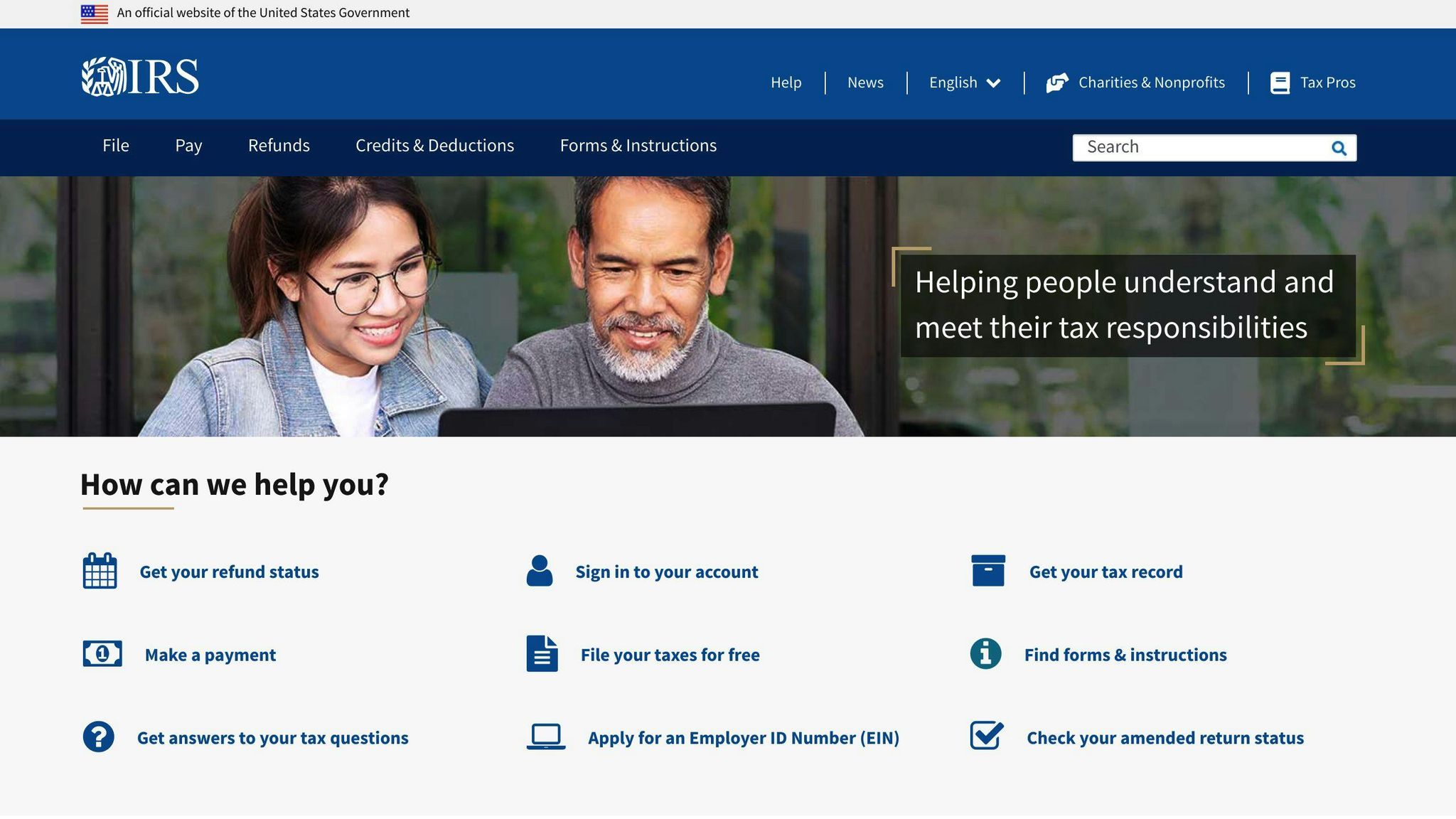
The IRS offers guides on real estate taxes:
| Publication | Topic |
|---|---|
| 527 | Residential Rental Property |
| 551 | Basis of Assets |
| 946 | How to Depreciate Property |
These guides explain how to report rental income, figure out depreciation, and determine your property's value for tax purposes.
2. Professional Groups
Some groups offer learning materials about real estate investing and taxes:
| Group | Focus | What They Offer |
|---|---|---|
| National Association of Realtors (NAR) | Real estate market | Reports, online talks |
| Real Estate Investors Association (REIA) | Investment tips | Local groups, classes |
| American Institute of CPAs (AICPA) | Tax rules | Guides, meetings |
3. Online Classes
Many banks and real estate websites have online classes about fractional real estate investing and taxes. These classes cover:
- Ways to pay less in taxes
- New tax laws for real estate investors
- Examples of good tax planning
Remember, while these resources are helpful, they're not a replacement for talking to a tax expert. As mentioned earlier, "It's important to get advice from a professional to make sure you follow tax laws and pay the least amount of taxes possible on your fractional property investments."
A tax advisor who knows your situation can help you understand the tricky parts of fractional real estate taxes. They can make sure you follow the rules and make the most money from your investments.
FAQs
How is capital gains tax calculated on sale of property?
When you sell your part of a property, you might need to pay capital gains tax. Here's how it's figured out:
- Find out how much you paid for your share
- Add up any extra costs from buying it
- Take away this total from what you sold it for
The result is your capital gain (or loss).
Here's a simple breakdown:
| Step | What to Do |
|---|---|
| 1 | Write down how much you sold for |
| 2 | Take away any selling costs |
| 3 | Take away what you paid at first |
| 4 | Take away any buying costs |
What's left is your capital gain.
Remember:
- If you owned it for more than a year, you might pay less tax
- Keep good records of what you paid and any costs
It's best to talk to a tax expert. They can help you:
- Work out your exact gain
- Make sure you report it right
- Find ways to pay less tax
Lofty Editorial