Lofty Editorial
10 Sustainable Practices in Fractional Real Estate
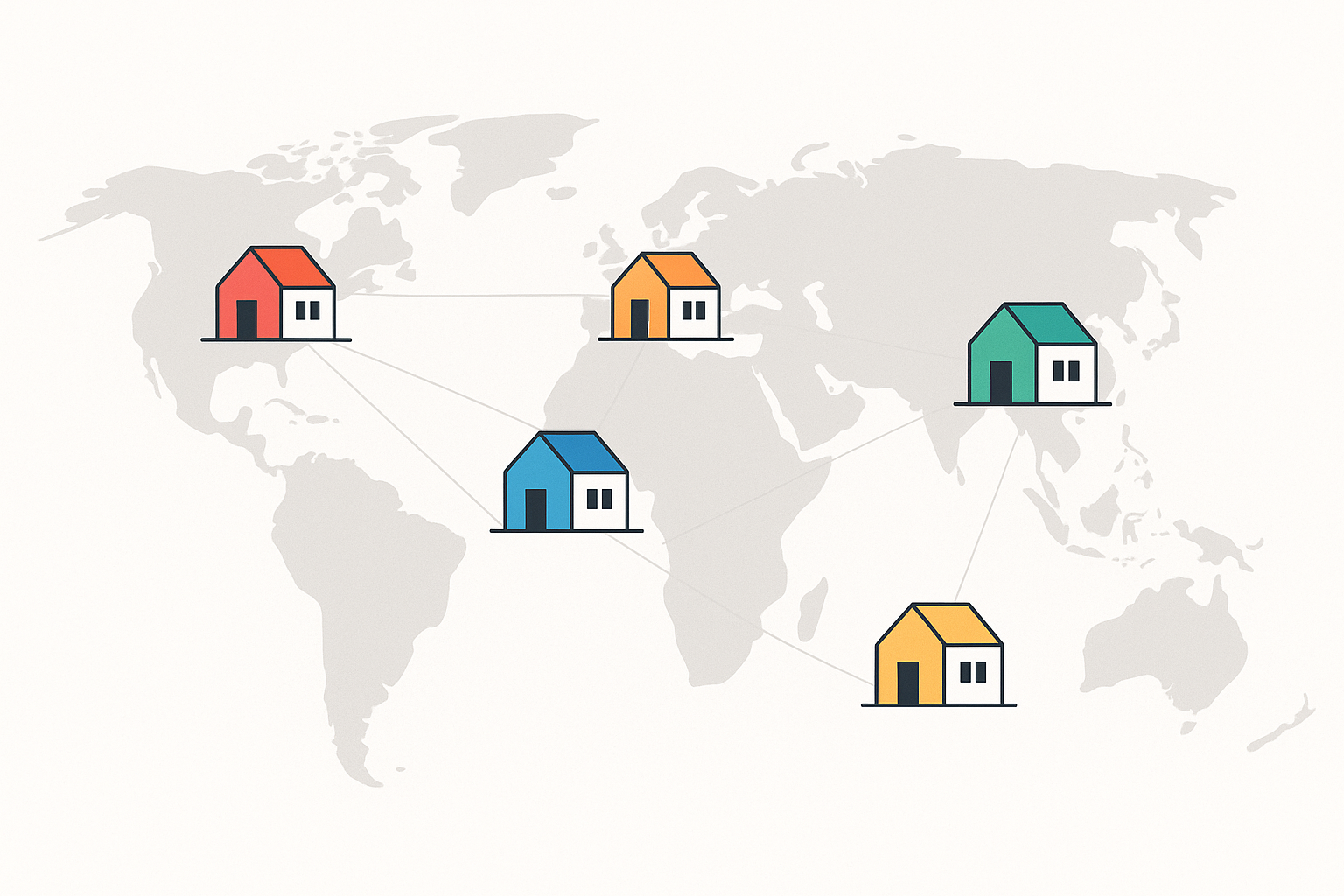
Fractional real estate allows you to invest in properties for as little as $50 without the hassle of being a landlord. By combining this with eco-friendly practices, you can improve property performance, reduce costs, and support environmental goals. Here’s a quick overview of 10 sustainable strategies for fractional real estate:
- Renewable Energy: Use solar panels or wind turbines for long-term energy savings.
- Water Conservation: Install low-flow fixtures and smart irrigation systems.
- Waste Reduction: Implement recycling programs and smart waste management tools.
- Energy Efficiency: Add insulation, LED lighting, and smart climate controls.
- Property Tech: Use IoT sensors and predictive maintenance to optimize resources.
- Eco-Friendly Materials: Choose recycled or low-VOC materials for durability and better air quality.
- Green Spaces: Include native landscaping, community gardens, and multipurpose green areas.
- Shared Space Efficiency: Monitor water usage and improve waste management in common areas.
- Alternative Transport: Add EV charging stations and bike storage to support greener commuting.
- Regular Inspections: Conduct routine checks to ensure systems work efficiently and spot issues early.
These practices not only reduce environmental impact but also increase property value and long-term savings. Start small with high-impact changes, then expand to more complex upgrades for maximum returns.
Why Sustainable Real Estate is the Future of Smart Investment ...
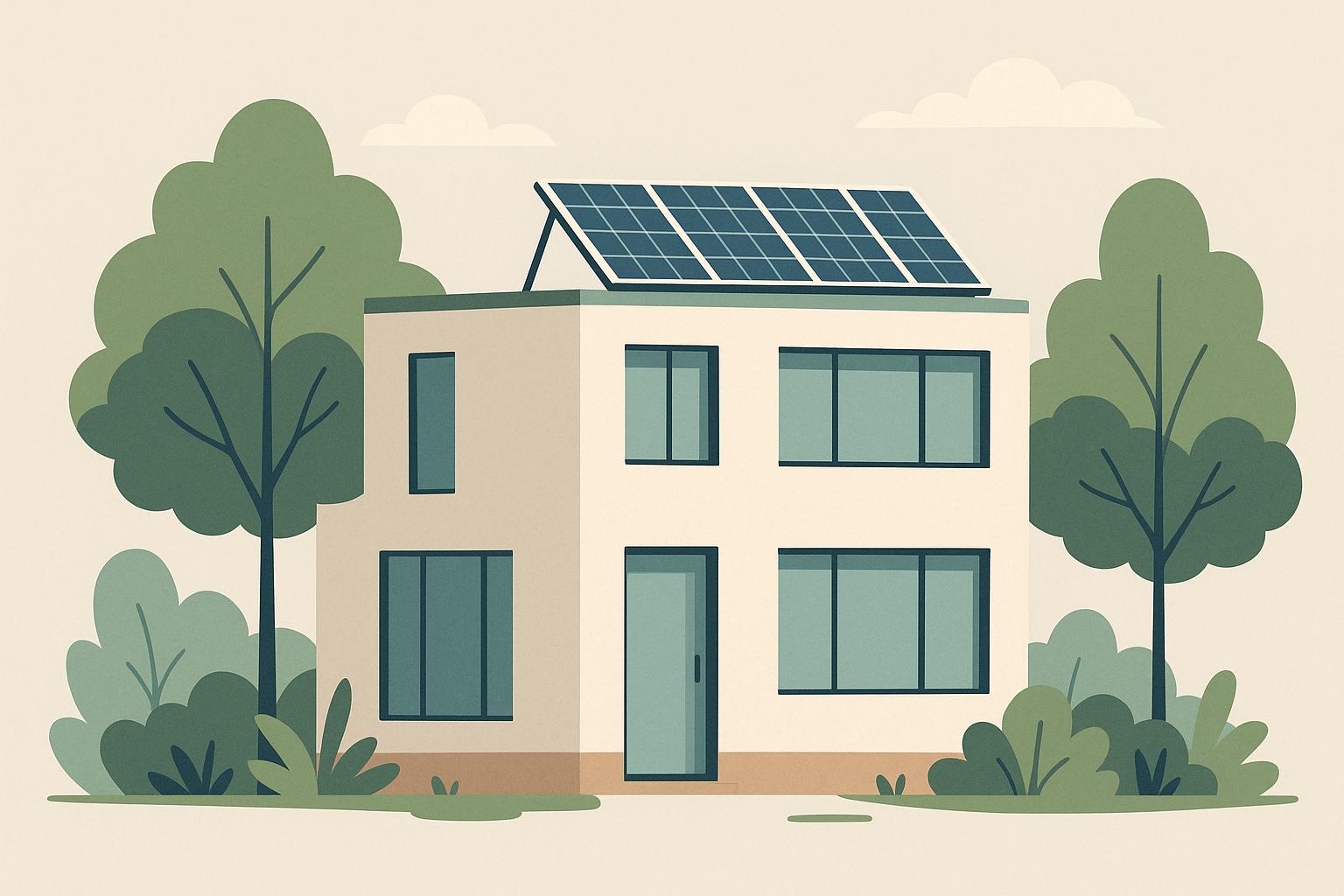
1. Solar and Wind Power Systems
Renewable energy plays a key role in fractional real estate. When deciding between solar panels and wind turbines, think about:
- Upfront costs: Installation and equipment expenses.
- Local conditions: Amount of sunlight for solar panels or consistent wind for turbines.
- Maintenance: Effort and cost involved in upkeep.
- Savings and value: Long-term energy savings and potential increase in property value.
Solar panels are a popular choice for residential properties because they’re easier to maintain. In areas with steady wind, small turbines can work well alongside solar systems.
2. Low-Flow Fixtures and Smart Irrigation
Saving water not only cuts costs but also supports eco-friendly practices in fractional real estate. Using tools like low-flow fixtures and smart irrigation systems allows property owners to conserve water without compromising comfort or usability.
Low-Flow Fixtures
Water-efficient fixtures are an easy way to reduce water use. Examples include:
- Dual-flush toilets: Use less water for liquid waste.
- Low-flow showerheads: Reduce water consumption during showers.
- Faucet aerators: Maintain water pressure while using less water.
- WaterSense-certified appliances: Deliver better water efficiency.
Smart Irrigation Technology
Modern irrigation systems make outdoor water use more efficient with features like:
- Weather-based controllers: Adjust watering based on local weather conditions.
- Soil moisture sensors: Stop overwatering by detecting soil needs.
- Drip irrigation: Directly delivers water to plant roots.
- Rain sensors: Automatically shut off watering during rain.
These upgrades help lower water bills and improve property efficiency. For fractional property owners using Lofty's platform, such improvements can boost property performance and long-term investment potential.
To maximize benefits, regular checks for leaks, sensor calibration, and system performance are crucial. These water-saving strategies fit seamlessly into broader eco-conscious approaches in fractional real estate.
3. Recycling and Waste Reduction
Managing waste effectively in fractional real estate properties involves more than just setting up recycling bins. Many properties are now using advanced waste reduction strategies to improve efficiency and reduce environmental impact.
Smart Waste Management Systems
Modern waste solutions are helping properties cut down on landfill waste while improving recycling efforts. Some of the tools and practices being used include:
- Separate bins for different types of recyclables
- Waste compactors to reduce volume
- Digital systems for tracking waste levels and scheduling pickups
- Composting programs to handle organic waste
Property-Wide Recycling Programs
A successful recycling program relies on cooperation between property managers and residents. Here’s what makes these programs effective:
- Clear Instructions: Providing residents with clear, detailed guidelines on what can and can’t be recycled, using signs and digital updates.
- Convenient Recycling Points: Placing recycling stations in easy-to-access, high-traffic areas to encourage use.
- Resident Engagement: Hosting workshops or recycling events to educate and motivate residents about waste reduction.
Cost Savings
These strategies can reduce waste disposal expenses and even create revenue streams from recyclables. Over time, the savings can help balance out the upfront costs of implementing waste management systems.
Digital Waste Tracking
With real-time waste tracking, property managers can optimize collection schedules and identify areas for improvement, making the entire process more efficient.
For investors using Lofty's platform, these recycling and waste reduction practices not only support environmental goals but also enhance the overall performance and value of the property.
4. Green Building Features
Green building features play a key role in fractional real estate by improving energy efficiency and cutting down on operating costs.
Advanced Insulation Systems: Properties utilize high-quality insulation and sealing to lower HVAC demands and maintain consistent indoor temperatures.
Smart Climate Control: Programmable thermostats and zone-specific HVAC controls adjust temperatures based on usage, helping to save energy.
Energy-Efficient Lighting: LED lighting and occupancy sensors in shared spaces, along with maximizing natural light, help reduce electricity consumption.
Building Envelope Enhancements: Upgrades like reflective roofs, better-insulated walls, and high-performance windows help minimize heat loss and gain.
Passive Design Features: Features such as strategic window placement, extended roof overhangs, and cross-ventilation reduce the need for mechanical heating and cooling.
For investors using Lofty's platform, these green building features align with environmental objectives and can result in long-term savings. They work well alongside other eco-friendly practices, strengthening the overall sustainability of fractional properties.
5. Property Management Tech
Property management technology takes energy efficiency to the next level in shared properties. With tools like building management systems (BMS), IoT sensors, and real-time monitoring, property managers get detailed insights into energy usage, helping them make smarter resource decisions.
These systems can track utility usage per unit, ensuring tenants are billed fairly. Centralized platforms combine HVAC, lighting, security, and water management, automating adjustments based on occupancy and environmental conditions.
Predictive maintenance tools analyze performance data to spot potential issues before they become major problems. This not only prevents breakdowns but also cuts down on wasted energy. Mobile integration adds another layer of convenience, allowing remote monitoring and quick adjustments.
For fractional property investors, these technologies improve resource management and help lower operating costs, while supporting eco-friendly property operations.
6. Eco-Friendly Materials
Using eco-friendly materials can improve property performance by increasing durability, cutting maintenance costs, and promoting healthier indoor environments.
Reclaimed Wood and Bamboo Flooring
Reclaimed wood and bamboo flooring combine unique looks with resource conservation. Reclaimed wood is repurposed, while bamboo is a fast-growing, renewable option.
Low-VOC Finishes and Paints
Low-VOC finishes and paints help improve indoor air quality by reducing harmful chemicals. They also enhance surface longevity, making them a practical choice for healthier spaces.
Recycled Construction Materials
Materials like recycled steel, composite decking, and glass tiles are durable options that reduce the need for new resources, helping to lower environmental impact.
Natural Insulation Solutions
Options like recycled denim or sheep's wool provide great thermal performance without toxic chemicals. These materials are also easier to handle compared to some traditional insulations.
Sustainable Concrete Alternatives
Concrete made with recycled aggregates or supplementary cementitious materials reduces environmental impact while maintaining strength and durability.
When selecting materials, keep these tips in mind:
- Look for products with a high percentage of recycled content
- Opt for locally sourced materials to cut down on transportation emissions
- Choose items with recognized eco-certifications
- Evaluate lifecycle costs, including maintenance and replacement needs
sbb-itb-a24235f
7. Shared Green Spaces
Shared green spaces are an important feature in fractional real estate, offering benefits for both the environment and the community. These areas can improve residents' quality of life, support local ecosystems, and increase property appeal.
Community Gardens
Community gardens give residents a chance to grow fresh produce close to home. This reduces the need for long-distance food transportation and promotes a more eco-friendly lifestyle. In addition to providing food, these spaces can be designed to use fewer resources, making them even more efficient.
Native Landscaping
Landscaping with native plants helps conserve water, requires less maintenance, and naturally deters pests. It also provides a habitat for local wildlife, enriching the surrounding environment.
Multipurpose Green Areas
Green spaces can serve multiple purposes. For example, rain gardens help filter water, permeable paths improve drainage, and shade trees create cooler areas. These designs offer both environmental and social benefits, enhancing the community experience.
Maintenance Practices
Proper upkeep is key to keeping green spaces functional and thriving. This includes seasonal plant rotation, using organic pest control methods, efficient irrigation systems, and regular soil testing. Consistent maintenance ensures these spaces remain effective for years to come.
Environmental Benefits
Thoughtfully designed green spaces can address stormwater runoff, reduce urban heat, improve air quality, and even store carbon naturally. These environmental perks make shared green areas a smart addition to fractional real estate projects.
Lofty prioritizes shared green spaces to balance ecological responsibility with community-focused design. These spaces not only contribute to environmental goals but also create inviting areas that enhance property value and resident satisfaction.
8. Common Area Efficiency
Improving shared spaces can make a big difference in water use and waste reduction. Here are some practical steps to enhance efficiency in these areas.
Water Management
Use smart water meters and leak detection systems to catch problems like running toilets or hidden leaks early. These tools help cut down on water waste by focusing on shared infrastructure, complementing conservation efforts in individual units.
Waste Management Solutions
Set up clearly labeled recycling stations in busy common areas. Placing them in spots like entryways or community hubs makes it easier for people to sort their waste and encourages higher recycling rates, supporting the property's overall waste reduction goals.
9. Alternative Transport Options
Adding alternative transport options can make properties more attractive while supporting environmentally friendly commuting. These features align well with other energy-saving and eco-conscious efforts.
Electric Vehicle Charging Stations
Installing EV charging stations promotes the use of electric vehicles, helping to cut down on greenhouse gas emissions.
Bike Storage Options
Providing safe and convenient bike storage encourages residents to choose cycling as a greener mode of transportation.
10. Regular Property Inspections
Regular property inspections are essential for keeping systems running smoothly and avoiding expensive repairs. A well-organized inspection routine helps spot problems early and ensures eco-friendly systems work efficiently.
Quarterly System Checks
Perform quarterly inspections to assess system performance and durability. Focus on these key areas:
- HVAC system performance and filter condition
- Solar panel cleanliness and operation
- Smart irrigation system settings
- Water fixture flow rates
- Waste management system efficiency
Monthly Monitoring
Track resource usage monthly to stay on top of consumption patterns:
- Water usage trends
- Energy consumption levels
- Waste collection amounts
- Recycling program participation
Keep this process simple by logging all data digitally.
Digital Documentation
Use digital tools to track system performance, maintenance needs, and efficiency metrics. Record details like:
- Energy and water usage trends
- Maintenance history for all systems
- Progress toward sustainability goals
Seasonal Maintenance Calendar
Plan specific tasks for each season to address unique needs:
- Spring: Tune up HVAC systems and check irrigation systems.
- Summer: Clean solar panels and test their efficiency.
- Fall: Inspect weather sealing and insulation.
- Winter: Optimize heating systems and insulate pipes.
Cost vs. Benefit Analysis
Understanding the financial impact of eco-friendly practices is essential for fractional real estate investments. Each effort - whether it's installing renewable energy systems, improving water conservation, reducing waste, or incorporating green building features - comes with its own set of upfront costs, operational savings, and complexity. This analysis helps prioritize everything from smaller upgrades to major system changes.
For example, installing renewable energy systems or EV charging stations often demands a significant initial investment and a more complex setup. However, these upgrades pay off over time by reducing utility and maintenance expenses while boosting property value. On the other hand, initiatives like better waste management or improving efficiency in shared spaces are easier to implement and yield faster returns.
Smart management systems can also simplify operations and cut ongoing costs. Regular inspections and maintenance help maintain long-term property value. Starting with simpler, high-impact projects before tackling larger, more complex ones strikes the right balance between environmental goals and profitability.
Summary
Fractional real estate can incorporate renewable energy, water-saving measures, and efficient management to increase long-term property value while reducing its environmental footprint.
With platforms like Lofty, investors can access eco-friendly real estate at lower entry costs. This approach opens the door for more people to participate in green real estate investments, offering potential returns from property value growth and rental income while supporting environmental goals.
Implementing sustainable practices involves balancing initial costs with long-term savings. Starting with affordable, high-impact changes is often the most effective way to maximize returns.
In short, the future of sustainable fractional real estate depends on combining technology with community involvement. Smart management and consistent upkeep ensure eco-friendly features perform well, improving property durability and value. These practices not only support environmental goals but also enhance overall property performance.
FAQs
How do renewable energy systems like solar panels and wind turbines enhance the value of fractional real estate investments over time?
Renewable energy systems, such as solar panels and wind turbines, can significantly enhance the value of fractional real estate investments by reducing operational costs and increasing property appeal. Lower energy bills make the property more cost-efficient, which can lead to higher net operating income and, consequently, better returns for investors.
Additionally, properties equipped with renewable energy systems are often more attractive to environmentally conscious tenants and buyers. This growing demand for sustainable living spaces can boost property value and appreciation over time, making it a smart choice for long-term investment strategies.
What are some affordable eco-friendly upgrades for beginners in fractional real estate investing?
For those new to fractional real estate investing, starting with cost-effective, sustainable upgrades can make a significant impact. Consider these three simple yet impactful options:
- Energy-efficient lighting: Replace traditional bulbs with LED lighting, which uses less energy and lasts longer, reducing both utility costs and waste.
- Smart thermostats: Installing smart thermostats can help optimize energy use by automatically adjusting heating and cooling based on occupancy, saving money and reducing your carbon footprint.
- Low-flow water fixtures: Upgrading to low-flow faucets, showerheads, and toilets can significantly reduce water consumption without sacrificing performance.
These upgrades are not only environmentally friendly but can also enhance the value and appeal of your fractional real estate investments over time.
How does smart property management technology promote sustainability and efficiency in fractional real estate?
Smart property management technology enhances sustainability and efficiency in fractional real estate by optimizing energy usage, streamlining maintenance, and improving overall resource management. For example, smart thermostats and lighting systems can reduce energy consumption by adjusting settings based on occupancy, while automated irrigation systems help conserve water by monitoring weather and soil conditions.
Additionally, these technologies allow for real-time monitoring of properties, enabling quicker responses to maintenance issues and reducing waste. By integrating smart solutions, fractional real estate properties can lower their environmental impact while maintaining operational efficiency.
Lofty Editorial